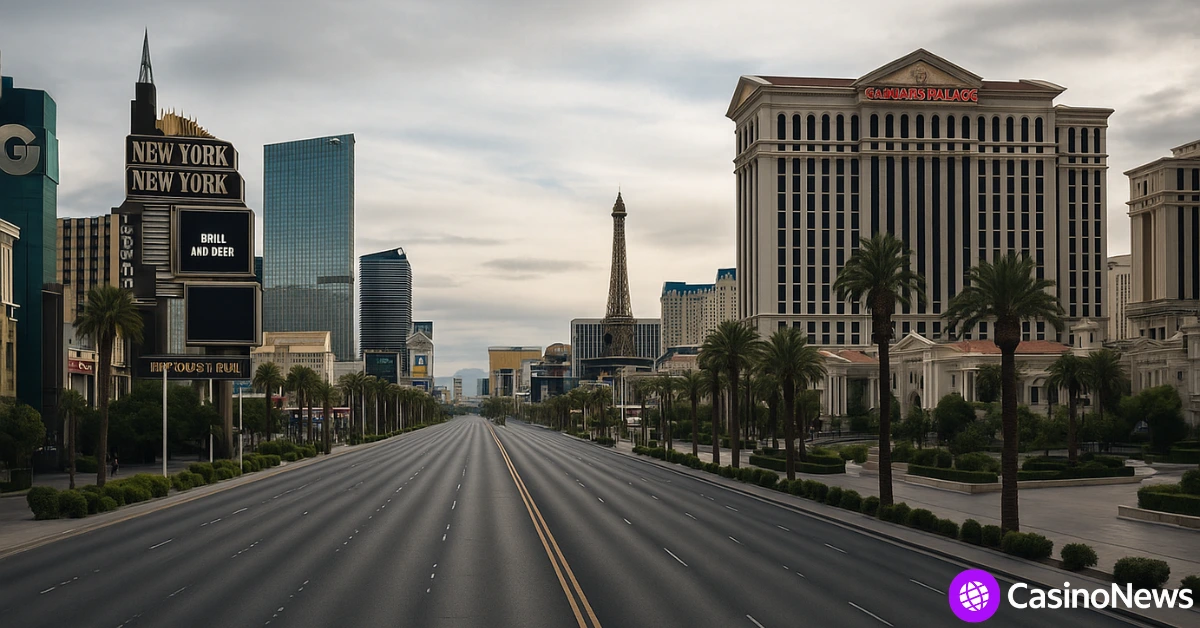
Las Vegas hotels and casinos are entering one of their most challenging periods in a decade as falling visitor numbers collide with exponentially rising costs. Industry leaders are now acknowledging that the virtues that made the city famous are slipping out of alignment, while guests are signaling that the price of a Vegas trip no longer feels justified. Which has resulted in a massive decrease in tourism for the Strip.
The core problem: Tourism falls as prices rise
Tourism to Las Vegas has fallen dramatically throughout 2025, and the drop has been worse than resorts expected after the strong post-pandemic rebound. Visitor traffic has dipped, room occupancy is at the lowest point seen in years, and foot traffic in the Strip has thinned. On its own, a modest decline in visitors would not be unusual for Las Vegas. But operators and analysts say the issue is not just weaker demand. It is the perception that Las Vegas has become too expensive for what people get out of it.
Resort fees of thirty-five to fifty-five dollars a night, once a minor irritant, now turn guests away before they even reach the door. Guests now encounter an additional layered system of add-ons that push the final bill far beyond what was advertised. Instead of a nightly total that feels predictable, travelers describe fees piling up across rooms, parking, dining, entertainment and even basic necessities.
These additional, and often unexpected, costs have become the main source of frustration for guests. Reports of dynamic pricing inside hotel lobby stores, where the cost of bottled water or snacks can shift depending on foot traffic or demand, have sparked widespread irritation. Visitors who once shrugged off Vegas premiums as part of the experience now treat them as barriers.
How resorts are responding to the complaints
Resorts and hotels on the Strip have spent the last several months watching guest satisfaction turn sour. Executives now know they pushed prices too far during the city’s high season, relying on the belief that Vegas was a premium experience. As domestic leisure travel cooled and middle-income travelers pulled back, resorts were caught with rates and fees that no longer match market tolerance.
Some properties have already begun the course corrections. A few have experimented with rolling back resort fees or folding them into the base price to create less customer regret. Others are testing bundled offers with all-inclusive pricing. The idea is to shift away from the impression that every part of a Vegas stay requires extra surcharges.
Operators are also rethinking how they use dynamic pricing models. While the model helps hotels optimize their revenue during peak seasons, it has created a public-relations nightmare when applied to low-value goods like snacks or drinks. The whole city is reviewing where dynamic pricing should and should not apply to avoid further backlash.
Stakeholders take a different approach to the problem
Inside the hospitality sector, opinions differ on what is driving the downturn. Casino executives argue that the rising operational costs give them little room to lower prices. Labor, electricity costs and entertainment production budgets have all skyrocketed. Some resort managers say guests still spend heavily once they arrive, and argue that the visitor decline reflects broader financial caution within the country more than resort pricing itself.
Travel advisors counter this argument stating that price is the primary friction point for their customers. They point to a widening gap between what Las Vegas visitors expect and what they actually get from the experience. The fame and glamor that powered the city for decades paired with inexpensive rooms, high-class entertainment, and gambling, has eroded as upscale establishments and higher profit margins took priority.
Tourists themselves tend to fall into two groups. High-spenders continue to visit, often unaffected by incremental fees. But citizens from middle-class backgrounds, a group that historically filled casino floors and hotel towers, are reconsidering whether the trip is worth it. Many now overlook Las Vegas as a go-to destination, rather opting to go on beach vacations, cruise liners or international cities that offer much clearer pricing.
What comes next: a city debating its own reset
Resorts now face a critical decision. They can continue to squeeze revenue out of fewer but higher-spending guests, or they can pursue a strategy that rebuilds trust with mainstream travelers.
More and more hotels are experimenting with clearer pricing models, including combining additional resort fees into the main rate or removing them altogether. Analysts believe that all-inclusive hotels and resorts may start outpacing their competitors creating a new model for the city to follow.
Marketing campaigns are also being redesigned. Instead of emphasizing spectacle and luxury alone, some operators are pivoting to value-focused promotions that highlight affordability, mid-week deals and low-stress trip planning.
The next year will show which of these strategies actually works. If cost perception improves, Las Vegas could regain momentum quickly. If it does not, the city may need a deeper introspection about how its business model has evolved and whether it still aligns with what travelers want.
Only time will tell if Las Vegas can recoup its notoriety
Las Vegas remains one of the most recognizable travel destinations in the world, but the foundation that supports that reputation is under pressure. Visitors are no longer willing to tolerate pricing complexity that feels out of step with the experience. As resorts reassess how they present value and how much they charge for it, the Strip is entering a transition that will shape its future long after the current downturn fades.