New York regulators moved this week to fold a Massachusetts court order into their own case against Kalshi, arguing that one state’s injunction should matter in the round of rulings over sports event contracts.
The filing lands as Kalshi awaits a decision in federal court in New York. The company is asking a judge to block enforcement of a state cease-and-desist order while the fight over regulatory authority proceeds.
Massachusetts court order gives states new leverage
Massachusetts became the first state to secure a court order that stops Kalshi from offering sports-related contracts to residents while litigation continues. A Superior Court judge found the state was likely to succeed on its claim that the contracts amount to sports wagering under Massachusetts law and require a license.
Until now, platforms have often kept products running while judges weighed preemption arguments and dealt with procedural issues. Massachusetts treated the licensing question as immediate and treated ongoing sales to residents as malpractice.
New York cites Massachusetts order as its own decision nears
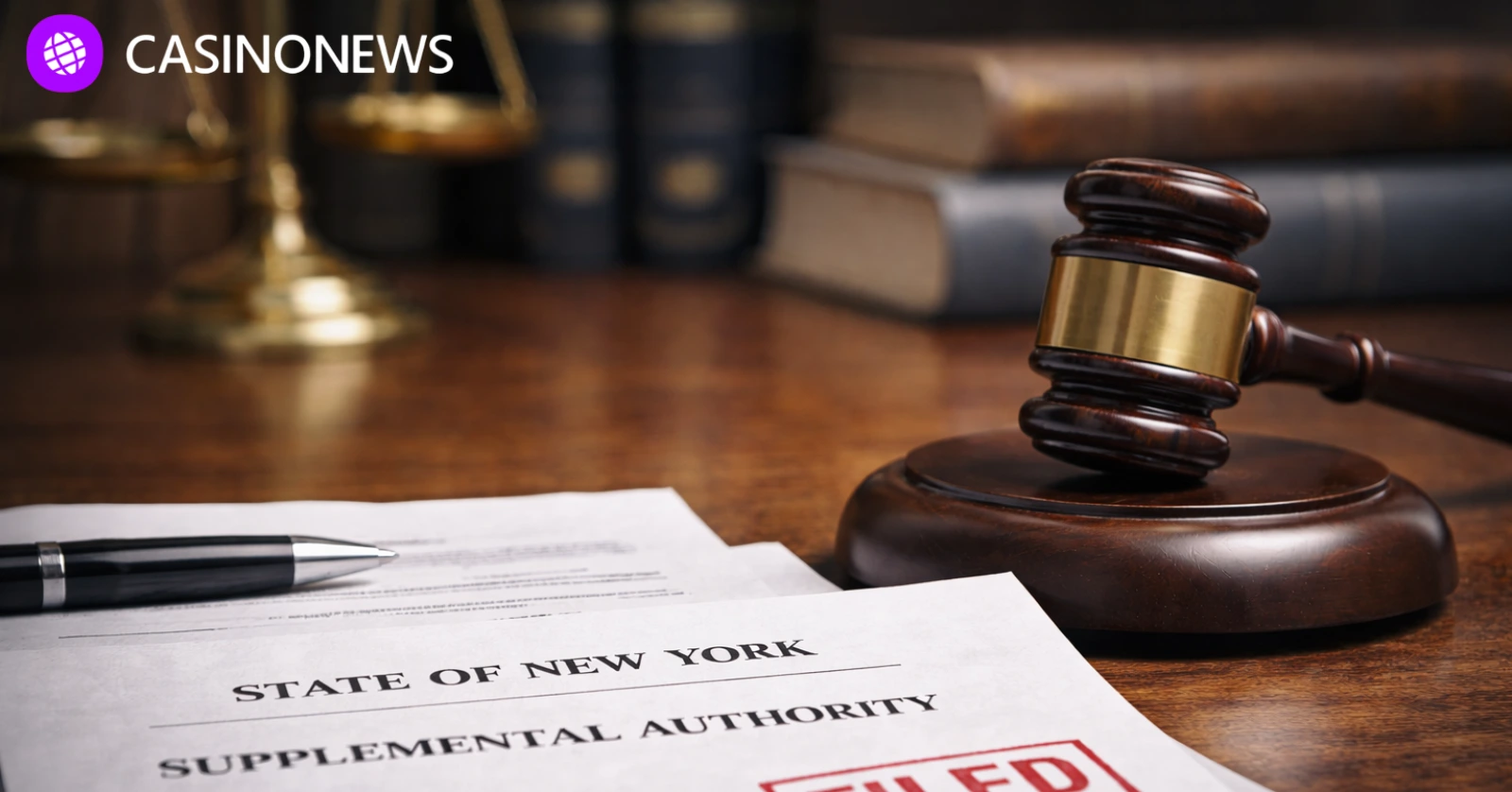
New York’s gaming regulator filed the Massachusetts decision as supplemental authority in the Southern District of New York, urging the court to consider how another judge assessed the same federal-versus-state dispute.
New York says Kalshi is offering sports betting without a state license and outside the guardrails applied to licensed operators. Kalshi says its contracts fall under federal commodities oversight and cannot be policed through state gaming law.
By adding the Massachusetts order, New York is trying to steer the court toward the practical question of what the product is. If it functions as wagering, the state argues, the licensing framework should apply.
Federal preemption defense begins to crack in the courts
Kalshi’s core defense is that federal law preempts state enforcement because the contracts trade on a federally regulated venue. Courts have not been uniform in how they treat that claim.
In Nevada, a federal judge concluded last year that state gaming law can apply to Kalshi’s sports event contracts, dissolving an earlier injunction that had protected the company. Kalshi appealed, and the Ninth Circuit will now weigh the same theory that is central in New York.
States are shifting from warnings to court orders
Regulators are also tightening tactics in related disputes involving other prediction market platforms. Nevada has filed a civil enforcement case aimed at shutting down Polymarket’s access in the state, seeking a court order rather than relying only on administrative demands.
Tennessee has followed a different track. A federal judge issued a temporary restraining order blocking enforcement of Tennessee’s cease-and-desist order against Kalshi.
States are trying to prevent sports contracts from being used while courts decide where federal oversight ends and state gaming law begins.
Next rulings could reshape prediction market regulation in the U.S.
New York’s case is an important test because the court is being asked whether Kalshi can keep operating while the dispute proceeds. A decision that tracks Massachusetts could encourage more regulators to seek early stop orders.
A decision for Kalshi would strengthen the argument that states cannot treat federally listed event contracts as sports betting, at least at the preliminary stage. Either way, Massachusetts has given regulators a new tool, and New York is pushing it to the front of the record before the court rules.