Gambling became one of the few subjects that clearly divided Republicans in South Carolina’s first gubernatorial debate, even though the race is still being fought mostly on taxes, affordability, and cultural issues. Four candidates took the stage in Newberry on April 1, and their answers showed there is no settled GOP position if casino expansion comes back to the State House in 2026.
The split matters because South Carolina still allows only the state lottery. There are no legal casinos and no legal sports betting, so the next governor will have real sway if lawmakers revive casino or wagering bills after the primary.
Norman and Wilson took the hardest line against casinos
Ralph Norman came out flatly against casino expansion, calling gambling a vice industry and tying it to social harm. Alan Wilson landed in roughly the same place on brick-and-mortar casinos, saying he believed the damage would outweigh the upside.
Wilson left himself a little more room on the online side. Gambling Insider’s account of the debate said he acknowledged how hard online enforcement can be when people use tools such as VPNs, even while keeping his opposition to physical casino development.
Kimbrell left a narrow opening along the I-95 corridor
Josh Kimbrell opposed broad gambling expansion and said he did not want South Carolina to become Atlantic City. He also said he does not support people pulling out a phone and gambling from anywhere in the state.
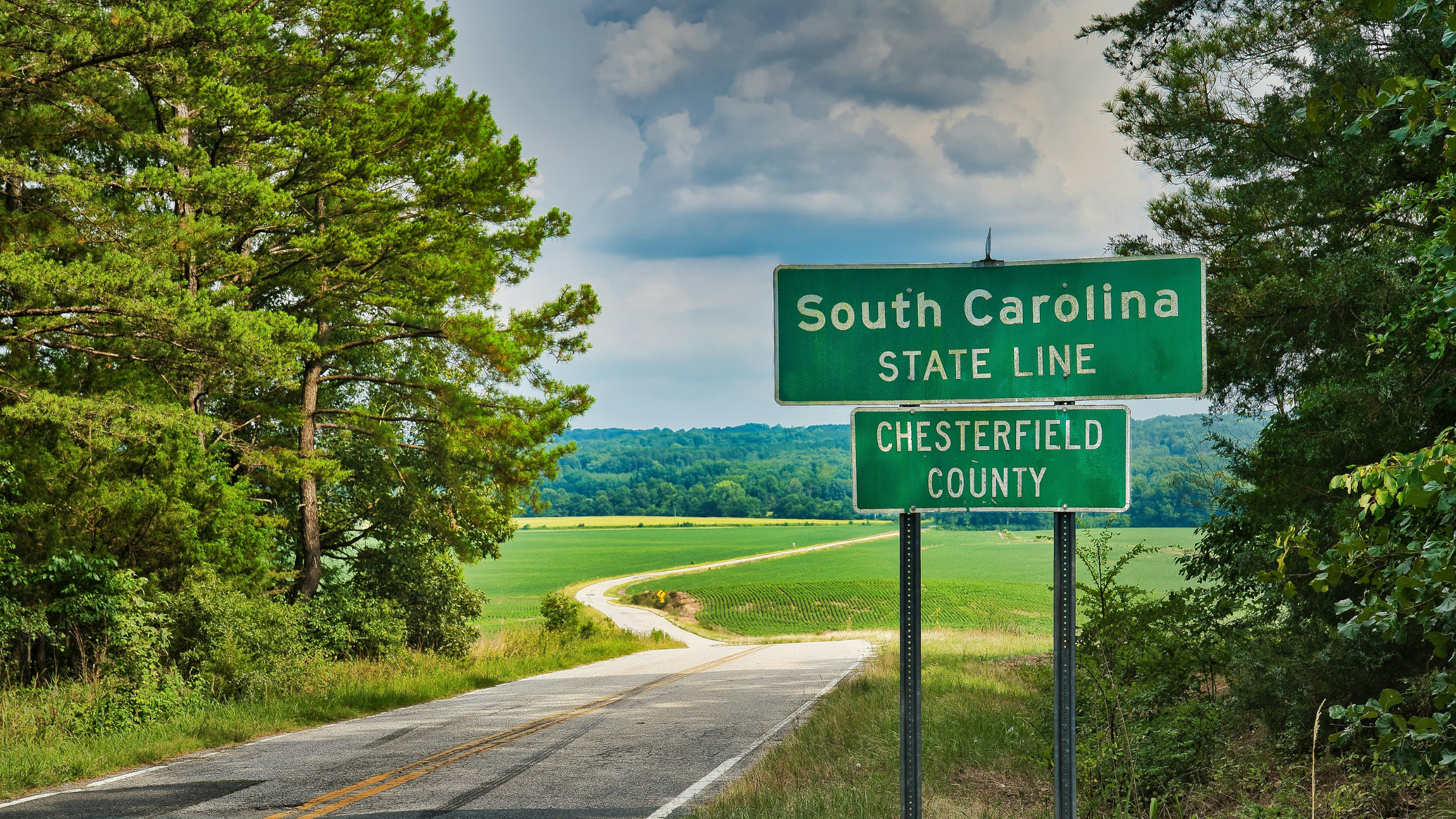
But he did leave a narrow opening for a resort-style project in an economically distressed area along I-95. That is important because the stalled casino debate in South Carolina has centered on exactly that pitch: one tightly controlled resort as an economic development tool rather than a full statewide gambling rollout.
Mace took the most flexible position on the stage
Nancy Mace did not endorse gambling expansion, but she was the least rigid of the four. She pointed to prediction markets as proof that people in South Carolina can already wager online in practice and said she would review legislation if it reached her desk. She also floated a referendum rather than leaving the issue to one officeholder.
That leaves the field split between firm opposition and guarded openness. The debate did not settle the issue, but it did show that if the I-95 casino plan returns, South Carolina voters could be choosing next year between very different Republican instincts on gambling.