Smaller betting operators in Brazil are looking to the 2026 FIFA World Cup as a chance to stay afloat in the country’s new regulated market. A rise in betting during the tournament could bring the traffic, deposits, and new users that many smaller brands need to survive.
Brazil’s betting market is regulated by the Secretariat of Prizes and Betting, known as the SPA. The body sits within the Finance Ministry and is responsible for licensing operators, monitoring the market, and taking action when rules are broken. The ministry’s list of nationally authorized betting companies was last updated on April 2.
World Cup could open the door for smaller brands
The market is getting tougher for smaller and lesser-known operators. President Luiz Inácio Lula da Silva said this week he supports a national ban on online betting platforms. Operators have also warned that higher taxes could make it harder for local companies to grow.
At the same time, offshore sites are still targeting Brazilian users without paying for licenses or following the same rules. That makes the fight even harder for licensed brands trying to build a place in the market.
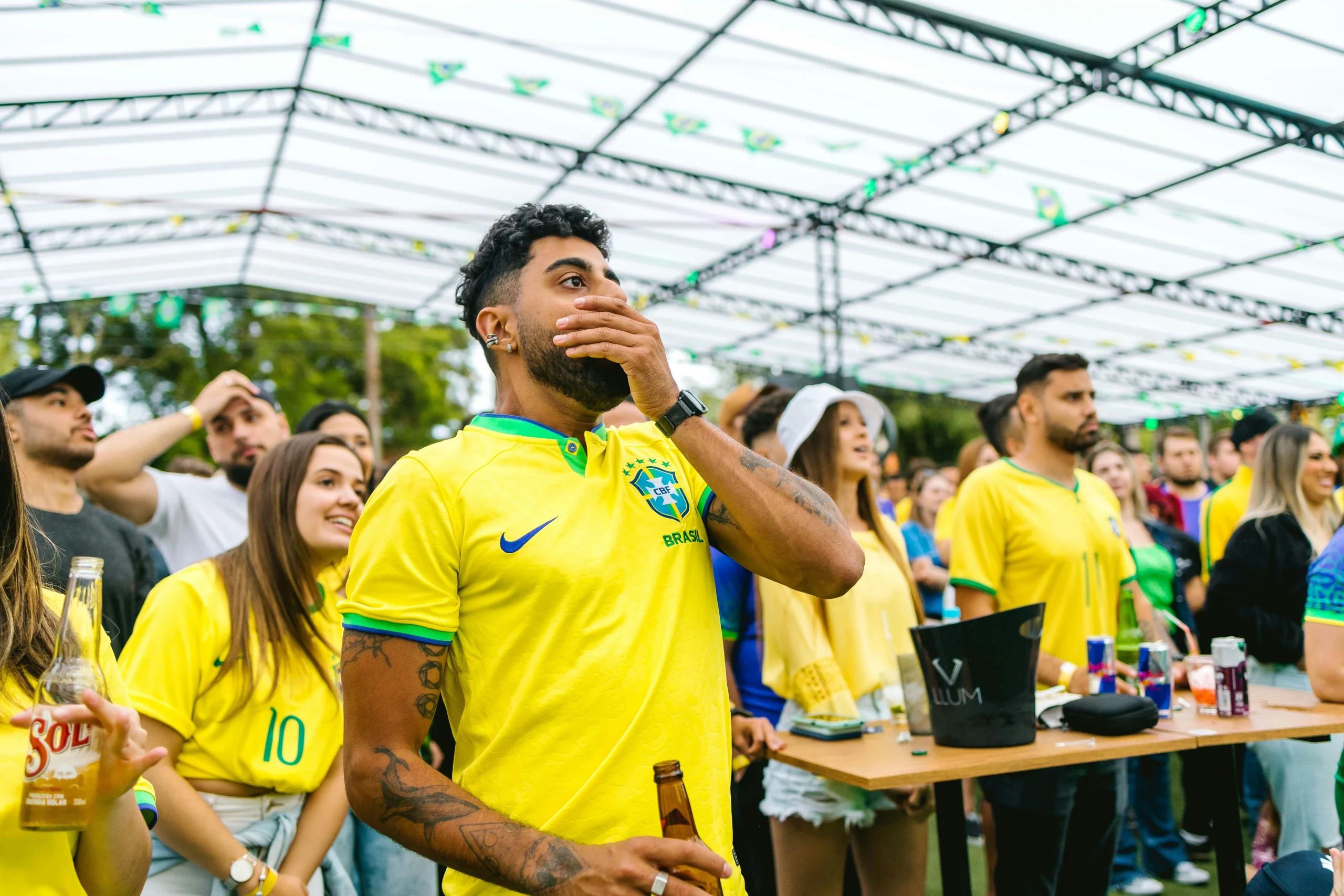
A recent Kantar study found that 37% of Brazilians plan to bet during the 2026 World Cup, while 77% plan to follow the tournament in some way. That does not guarantee gains for smaller operators, but it does suggest that more casual users could enter the market during the event.
Big operators already have stronger sponsorship deals, better brand recognition, and larger marketing budgets. The World Cup gives smaller and mid-sized brands a chance to attract new users at a time when overall betting interest is expected to rise. It may not fix every problem, but it does offer a rare opening for operators outside the top tier.
Illegal sites are still taking a big share
Even if the World Cup lifts betting activity, licensed operators still face a serious problem from the illegal market. Yield Sec said illicit sites handled 51% of Brazil’s online betting activity in the first half of 2025 and projected that share could rise as high as 72% by the end of 2026, helped by major sporting events such as the World Cup.
This makes survival even harder for smaller licensed operators. They need tournament-driven growth, but they are chasing it in a market facing higher taxes, political pressure, and unlicensed rivals that still move quickly. For many of Brazil’s smaller brands, the World Cup may be less about expansion and more about staying in business.