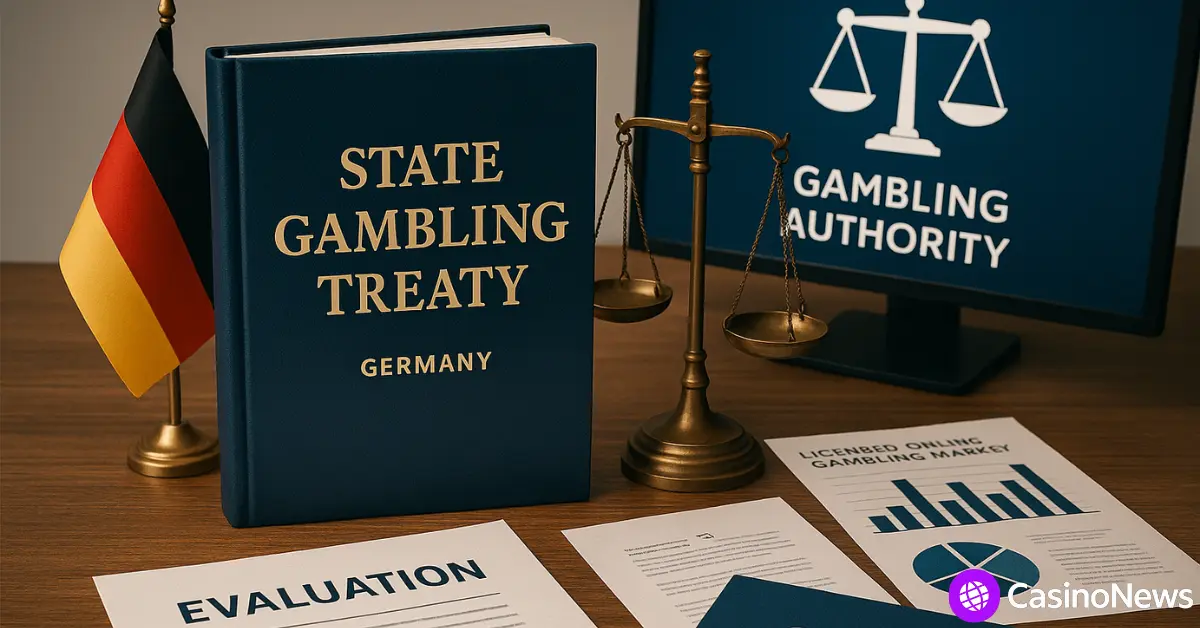
Germany is moving to overhaul its gambling laws earlier than planned, with state leaders pushing for amendments to the Interstate Treaty on Gambling long before its scheduled 2026 review. The accelerated timeline reflects a growing consensus that the current rules are struggling to regulate the market effectively and are leaving licensed operators at a disadvantage against offshore competitors.
While the GlüStV 2021 treaty was intended to harmonize gambling oversight nationwide, officials across multiple states now say the system has not kept pace with online consumer behavior, technological change or cross-border enforcement challenges.
States call for immediate action instead of waiting for 2026
At a recent meeting of the Interior Ministers’ Conference, state officials agreed that Germany cannot wait two more years to fix the gaps in its gambling system. Their joint position paper calls for early legislative updates, arguing that the treaty’s enforcement tools are too limited and that slow regulatory processes have left consumers exposed to illegal operators.
The ministers want clearer authority to block unlicensed sites, stronger cooperation with payment and hosting providers, and a framework that allows regulators to share information more easily with international authorities. These moves signal a shift toward a more assertive enforcement model, something regulators have repeatedly said they lack under the current treaty.
The political alignment is notable. Since the GlüStV came into force, disagreements between states often stalled reform. This year marks the first time there has been broad support for accelerating the evaluation process.
A licensing system struggling to attract operators
The introduction of online slots and poker licensing in 2023 was intended to bring operators into a regulated system. In practice, few companies have entered the market. Industry representatives say the combination of slow approvals, harsh restrictions, and almost impossible compliance demands have made Germany one of Europe’s hardest markets to join.
A key barrier continues to be the 5.3 percent turnover tax on online stakes. Because it applies to total bets rather than operator revenue, the tax fundamentally alters the economics of legal gambling. Licensed platforms cannot match the payout percentages offered by offshore casinos, which makes it difficult to compete for players.
Regulators have acknowledged that the overall goal of the treaty, pushing players into legal channels, cannot be met if licensed operators are unable to attain licenses. Ministers are now openly questioning whether the tax structure is undermining the industry.
Offshore sites exploit gaps in the treaty
Despite the existence of a national regulator, offshore platforms continue to serve German customers at scale. Many of these operators offer a far wider range of casino games, fewer restrictions and higher betting limits. Because they operate outside German jurisdiction, they face none of the oversight obligations that licensed companies must comply with.
The Joint Gambling Authority of the Länder (GGL) has attempted ISP blocking, payment restrictions and advertiser sanctions, but these efforts have yielded mixed results. A high-profile court ruling involving Lottoland further underscored limitations in the current legal instruments, making it harder for the regulator to act against certain foreign-based companies.
Industry experts say the offshore market will continue to grow unless Germany strengthens enforcement mechanisms and aligns its rules with how consumers actually gamble today.
What operators want changed
At conferences across the country this year, operators, lawyers and analysts have repeatedly outlined the reforms they believe are essential. The most pressing include:
- Faster, more predictable licensing and certification
- Adjustments to the turnover tax to reduce competitive imbalances
- Stronger and more practical enforcement powers
- Uniform data standards for monitoring and safer-gambling controls
- Clearer advertising guidelines that are enforceable in real time
The industry’s message is clear: unless the treaty receives massive reforms, legal operators will never be able to compete with the offshore market.
Responsible-gambling measures take center stage
Although much of the debate focuses on licensing and enforcement, consumer protection is a major part of the treaty’s upcoming evaluation. The national exclusion system (OASIS) and mandatory deposit limits are being examined to determine whether they are effective or need improvement.
Regulators and treatment specialists have raised concerns about slow processing times for self-exclusion requests, inconsistent responsible-gambling messaging, and the lack of real-time monitoring tools capable of identifying high-risk behavior early.
The review is likely to lead to clearer obligations around data reporting, marketing boundaries and intervention protocols for at-risk players.
A pivotal moment for Germany’s gambling industry
Germany now faces a defining choice: adjust the treaty early to address its structural weaknesses, or risk allowing offshore platforms to solidify their hold on the market while the legal system remains gridlocked.
The first years of the GlüStV 2021 have shown that strict product limits and high taxation do not automatically shift players into regulated channels. Without changes to enforcement capabilities and a licensing model that attracts, not deters, operators, the treaty’s objectives may remain out of reach.
The next phase of reform will determine whether Germany builds a viable, consumer-focused system or continues struggling with the consequences of a fragmented, outdated framework. State leaders are signaling that waiting until 2026 is no longer an option.cff