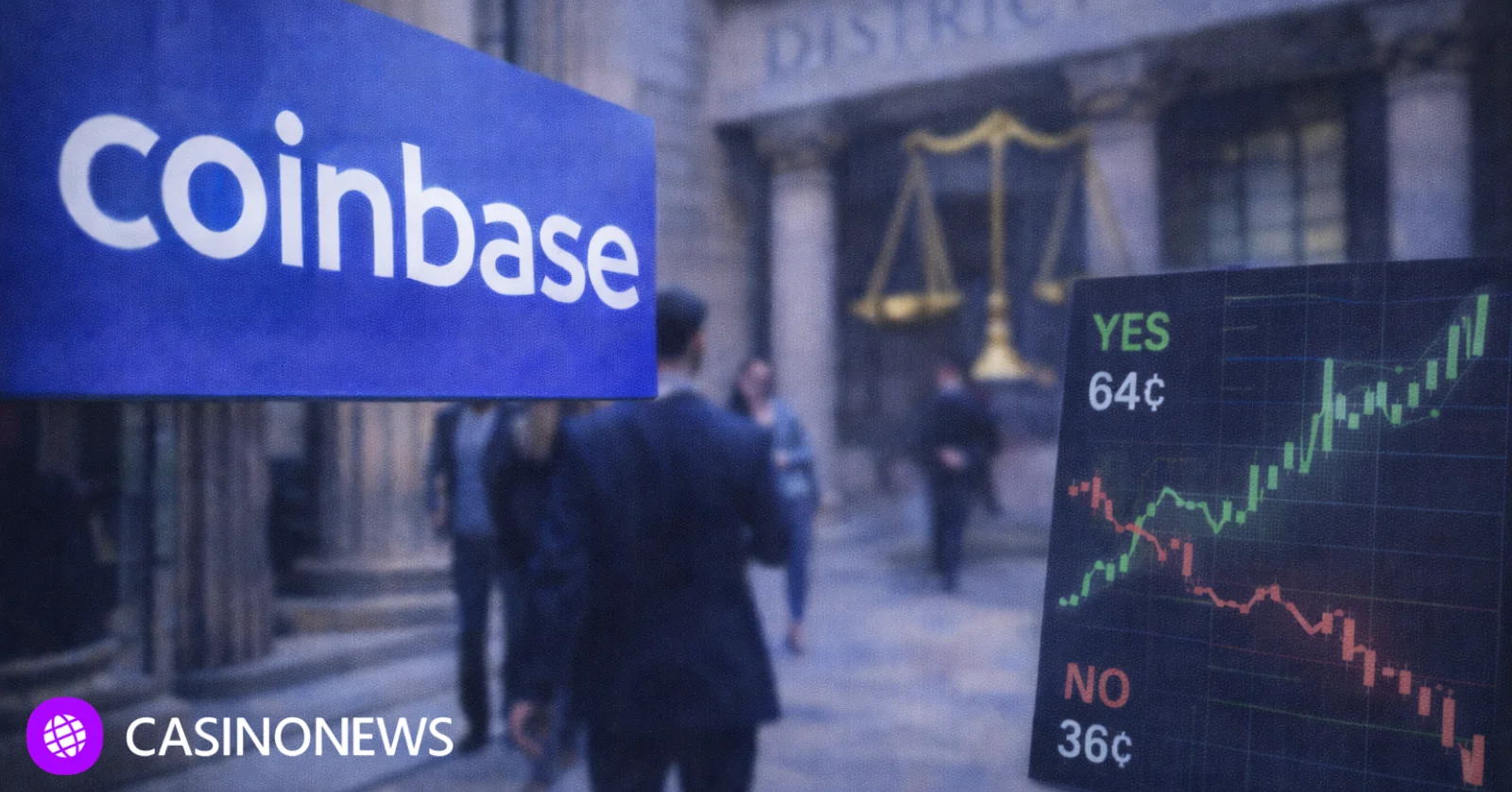
Coinbase is pushing harder into prediction markets at the same time regulators and courts are still arguing over what sports-linked event contracts actually are. The company’s stance is that this is a real product category with long-term potential, even if the legal map stays messy in the short term.
Buying The Clearing Company signals a bigger build
Coinbase says it has agreed to acquire The Clearing Company, describing it as a prediction markets firm focused on regulated, onchain markets. That matters because it suggests Coinbase isn’t treating prediction markets as a side experiment; it’s building infrastructure, product, and expertise around it.
For Coinbase, this also fits a broader strategy: expand beyond spot crypto trading into other transaction-heavy products that can drive recurring activity. Prediction markets are attractive for the same reason derivatives are attractive: users come back often, and volume can concentrate around major cultural events.
Courts and state regulators are still fighting over who’s in charge
The friction point is jurisdiction. State regulators keep testing whether sports-linked contracts should be treated like sports betting, with state licensing, taxes, and consumer protection rules. Platforms argue federal commodities oversight should control, which would let them scale more uniformly.
That uncertainty is exactly why the marketing gets so aggressive around moments like the Super Bowl. If the legal outlook is unstable, platforms want growth metrics and user numbers that make it harder to ignore them. But every state fight chips away at the “nationwide” story these products are trying to sell.
Coinbase is making a bet that the category survives the legal tug-of-war, and it’s spending like a company that expects prediction markets to be part of its core business, not a seasonal gimmick.