
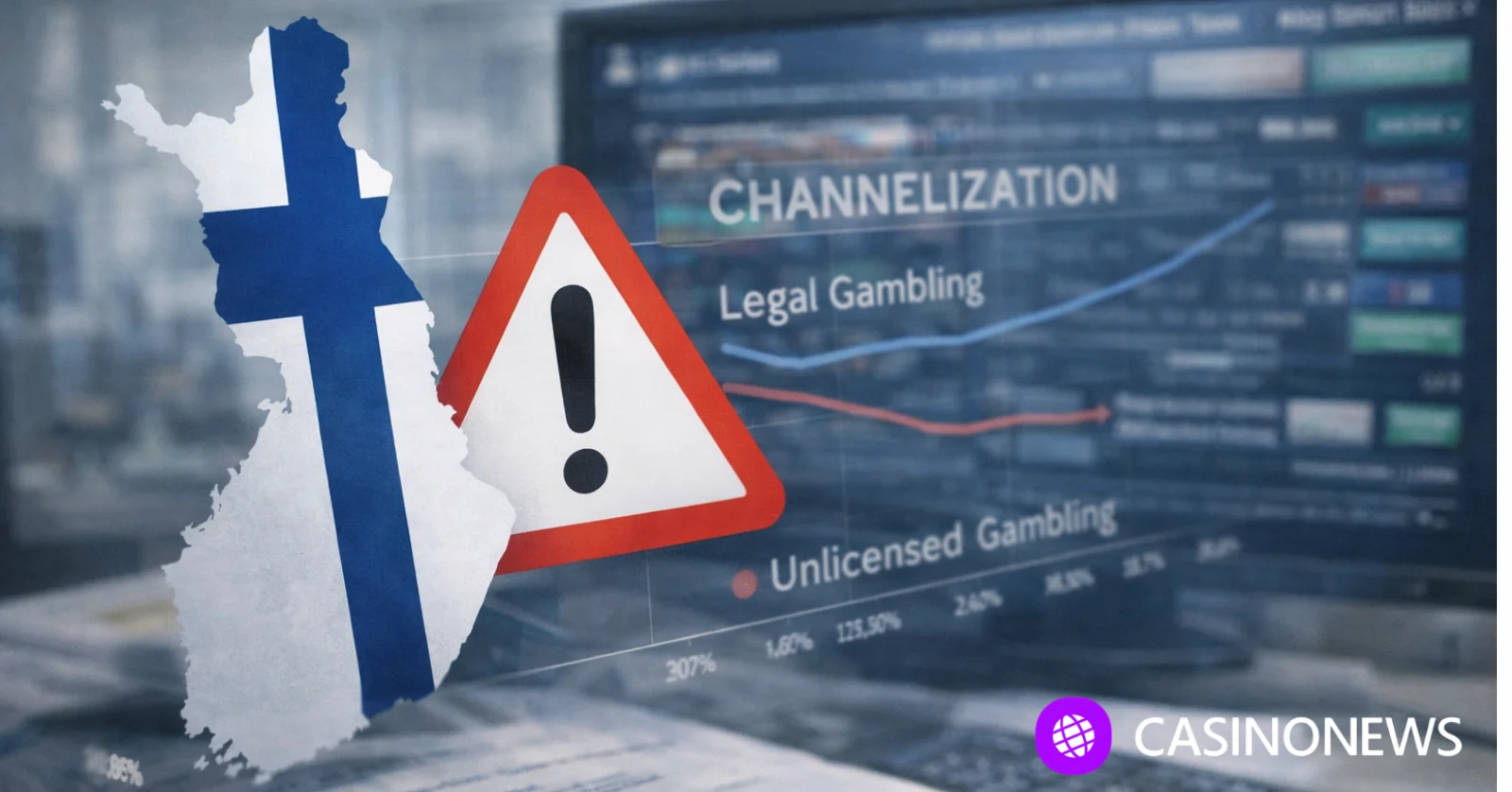
Finland has barely finished writing its new gambling framework and it is already facing a familiar problem. Player protection rules that feel too tight can push people out of the licensed market faster than authorities can choke off offshore supply.
The latest flashpoint is a new “safer gambling” draft issued for consultation by the Gambling Risk and Harm Assessment Group under the Ministry of Social Affairs and Health. Operators say the package risks turning a reform designed to improve channelization into a system that drives players elsewhere.
Deposit limits and forced account stops are the pressure point
The draft includes tools that go beyond standard on-site limits. One proposal is a single, cross-operator loss limit register, combined with mandatory control tools for deposits, losses, and playing time, plus operator-imposed cooling-off periods and restrictions in certain cases.
SkillOnNet’s warning is about how those controls feel in practice. The company argued that temporarily freezing accounts when a player hits a deposit limit creates a bad customer experience and increases the chance the customer simply looks for another venue. In a licensing transition, that “another venue” can easily be an unlicensed site.
Reform math: protect players without shrinking the legal lane
Finland’s Gambling Act is built around channelization as a stated policy goal. Licences open on March 1, 2026, and the competitive online market is scheduled to start July 1, 2027, while Veikkaus keeps monopoly rights in areas like lotteries and physical slots.
The government has already embedded guardrails in the Act, including mandatory identification and player-set daily and monthly money transfer limits for play via a player account, alongside strict marketing rules such as a ban on influencer marketing. That means the baseline is already restrictive before any additional limits are layered in by later measures.
Operators are pointing to Europe’s recent record as the caution sign. Wildz referenced Germany as an example where strict limits have been linked to weaker channelization, and SkillOnNet says Finland should not tighten limits in isolation if offshore offerings and marketing remain reachable. Finland’s next decision is calibration, and whether enforcement against unlicensed supply scales at the same pace as player controls.