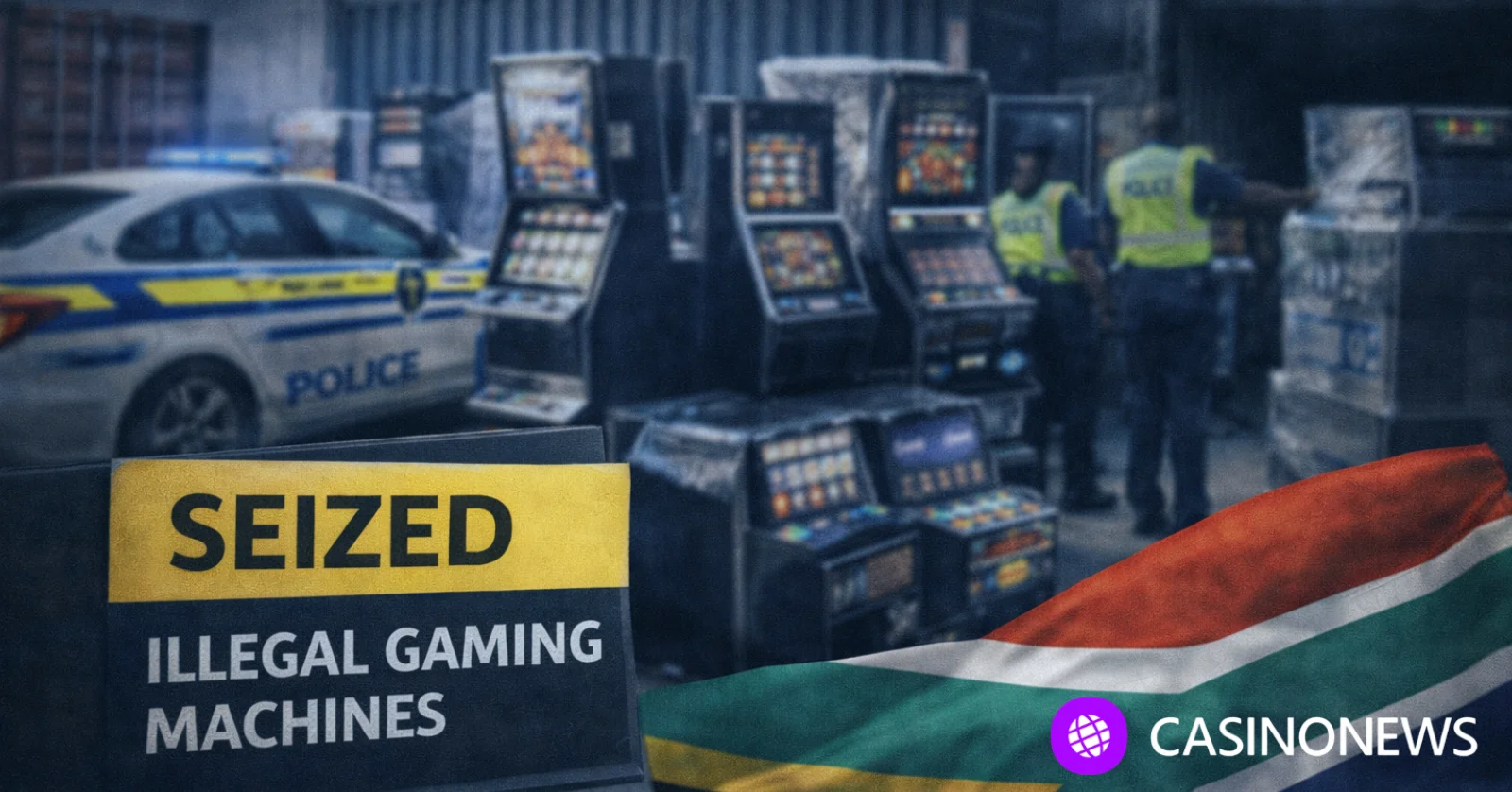
A shipment of illegal gaming machines seized in Cape Town is being treated as more than a routine bust. Eastern Cape regulators praised the operation because it suggests authorities are starting to hit distribution routes, not just the taverns and backrooms where the devices usually end up.
Once unlicensed cabinets are installed, they can be moved fast and reopened just as quickly after a raid. Intercepting machines earlier is the cleaner win, especially when supply chains can cross provincial borders.
Enforcement shifts from outlet raids to supply chains
The Cape Town confiscation was described as a large-scale seizure, with authorities believing the machines were intended for distribution in the Eastern Cape.
A separate Eastern Cape operation shows how that upstream approach works. Regulators said 155 unlicensed machines were found inside a shipping container in Nyandeni Local Municipality, and officials believe the devices were headed for informal venues such as taverns and small retail outlets.
Why the legal market leaves little room for “Chinese roulette”
South Africa does allow slot-style play outside casinos, but only through licensed limited payout machines. Those LPMs sit under a monitored framework and are capped at a maximum R5 bet and R500 winnings.
That is why regulators keep targeting so-called “Chinese roulette” machines. They operate outside the licensing and certification rules that apply to LPMs and casino equipment, leaving players with fewer protections and the state with no clean line on tax compliance or integrity controls.
Tax reform talks are running alongside tougher enforcement
The machine seizures land as National Treasury advances a draft proposal for a national online gambling tax. Treasury extended the public comment deadline to February 27, 2026, after stakeholder feedback.
The discussion paper proposes a 20% tax on online gambling gross gambling revenue, on top of existing provincial levies, which would raise the cost base for licensed operators.