Hawaii lawmakers have reopened the state’s long-running fight over gambling, pairing a new wave of proposals with a formal working group that will weigh whether regulation can blunt a sizable underground market. Hawaii is one of only two U.S. states that bans all forms of legal gambling.
Instead of pitching legalization mainly as new revenue, lawmakers and law enforcement are framing the debate around enforcement limits and the scale of illegal game rooms.
Sports betting bill returns after 2025 stall
A carryover proposal, House Bill 1308, is back after coming closer in 2025 than most prior efforts. The measure would set up a state licensing framework for sports wagering, but the push previously bogged down in negotiations over core design choices, including taxes and oversight.
Casino proposals split between expansion and restriction
Casino gaming is again being floated around the New Aloha Stadium Entertainment District. A prior Senate proposal, SB 893, would authorize casino licenses tied to the stadium district and the Hawaii Convention Center and create a Hawaii Gaming Control Commission.
Other new filings move the opposite direction by seeking to block casino-style development on certain state lands tied to the stadium project, underscoring how divided lawmakers remain on whether any resort-style gaming should be allowed.
Another proposal, HB 1945, would authorize gaming on cruise ships in Hawaii waters starting Aug. 1, 2027, and impose a 20% wagering tax on adjusted gross receipts.
Working group puts illegal numbers on the record
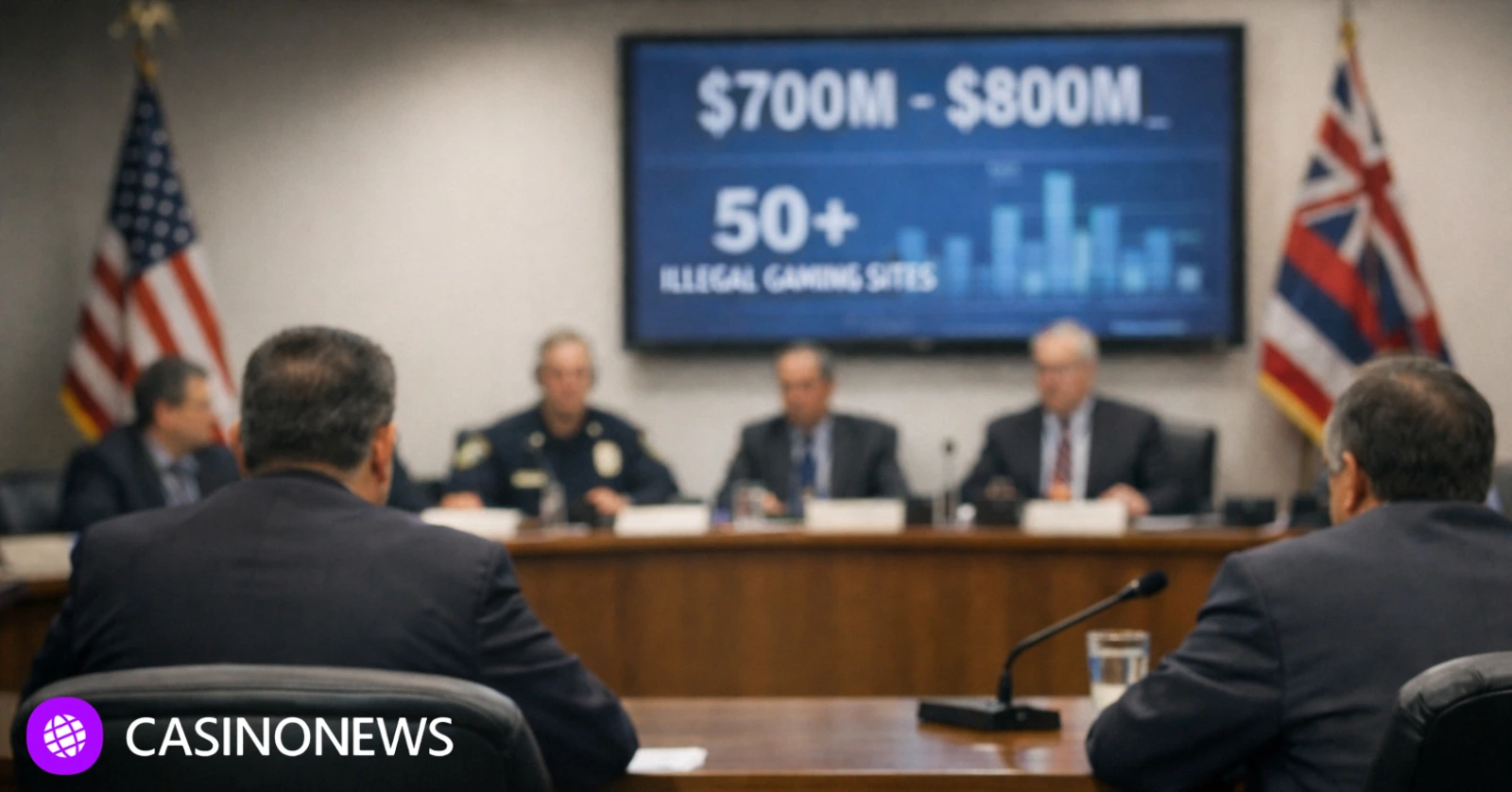
The 24-member Tourism and Gaming Working Group is tasked with delivering findings ahead of the 2027 session, effectively setting up a late-2026 deadline.
At its first meeting, officials said police are aware of about 50 illegal game rooms on Oahu. State enforcement leaders estimated $700 million to $800 million moves through illegal gambling statewide each year, with some rooms generating more than $10,000 a day.