Maine’s effort to legalize online casino gaming moved closer to becoming law in 2025 after lawmakers passed Legislative Document 1164 (LD 1164), a bill that would grant exclusive online gaming rights to the state’s four Wabanaki tribes.
While the measure cleared both chambers of the Legislature, its long-term prospects now depend on action by Governor Janet Mills and the completion of administrative steps needed for implementation.
Legislative progress and tribal exclusivity
LD 1164 was introduced as a vehicle to expand internet gaming in Maine by granting exclusive rights to the Passamaquoddy Tribe, Penobscot Nation, Houlton Band of Maliseet Indians, and Mi’kmaq Nation to offer online casino products under a regulated framework. The bill’s language mirrors the state’s existing approach to tribal online sports betting, which has been live since late 2023.
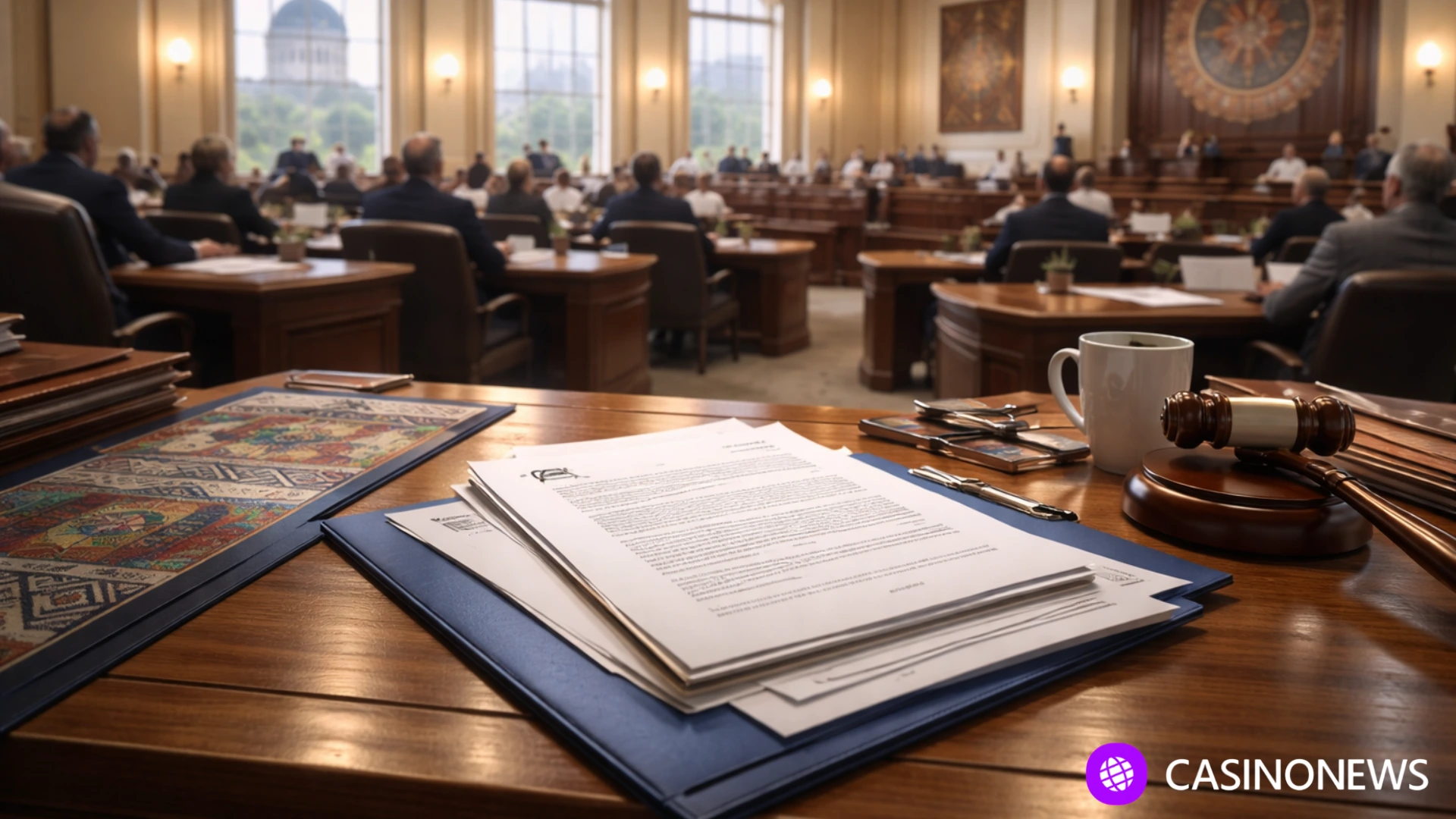
After a turbulent path through committees and votes, the proposal ultimately secured approval in both the Maine House of Representatives and Senate during the 2025 session. Lawmakers amended the measure to include an 18 percent tax on online casino revenue, a rate supporters say will generate new revenue while funding regulatory and public health programs. The bill then advanced off the special appropriations table, a key procedural step that allowed it to be sent to the governor’s desk.
Governor’s decision and timeline uncertainties
The bill’s enactment now hinges on Governor Mills, who has a 10-day window after the Legislature reconvenes to sign or veto the measure. In Maine’s legislative process, if the governor neither signs nor vetoes a bill within that period, it becomes law without her signature. In 2025, Mills elected not to act on LD 1164 before the Legislature adjourned, effectively pausing a final decision until the next session. That means the governor will have a narrow window early in 2026 to decide its fate.
Mills has a track record of caution on gambling expansion. Her administration previously opposed the online casino bill and related testimony from the state’s Gambling Control Unit and Department of Health and Human Services highlighted concerns about potential impacts on problem gambling and existing brick-and-mortar casinos. A veto from Mills could stall the initiative for another legislative cycle, as the current Legislature cannot override a veto once adjourned.
Economic and regulatory implications
If enacted, LD 1164 would make Maine one of a small group of U.S. states to authorize real-money online casino gaming. Under the bill’s provisions, revenue generated through online play would be taxed at 18 percent, with early estimates projecting roughly $1.8 million in the first year. Proponents argue this would create jobs, expand economic opportunities for tribal communities, and shift play from unregulated offshore sites to a state-regulated environment.
Opposition to the bill has come from multiple fronts. Some lawmakers and industry stakeholders express concerns that introducing online casinos too quickly could cannibalize existing commercial casino revenues and exacerbate problem gambling. The state’s brick-and-mortar casino operators have also voiced resistance, worried about competitive pressures from a digital market.
Next steps and implementation challenges
Assuming the governor allows LD 1164 to become law, Maine would still need to establish the regulatory infrastructure to oversee online casino operations. The Maine Gambling Control Unit would be tasked with creating licensing rules, compliance standards, and enforcement mechanisms before any platforms could launch. Tribal nations would then apply for licenses and select technology partners to operate online platforms, potentially delaying the first live games until late 2026 or beyond.
Maine’s approach to online casino legalization highlights a broader trend among U.S. states seeking to balance economic development, regulatory oversight, and tribal sovereignty. By tying online casino rights to tribal exclusivity, lawmakers aim to foster new revenue sources while reinforcing tribal economic power.
Political dynamics as 2026 session looms
Maine’s online casino bill underscores the political complexity of gaming expansion in a state where public policy on gambling has historically been cautious. The debate has highlighted competing priorities, including potential tax revenues, economic opportunity for indigenous communities, concerns over gambling addiction, and the interests of existing casinos.
With the governor’s desk decision looming in early 2026, stakeholders across the industry will be watching closely. How Mills responds could shape Maine’s gaming landscape for years and influence similar efforts in other jurisdictions considering online casino legalization.