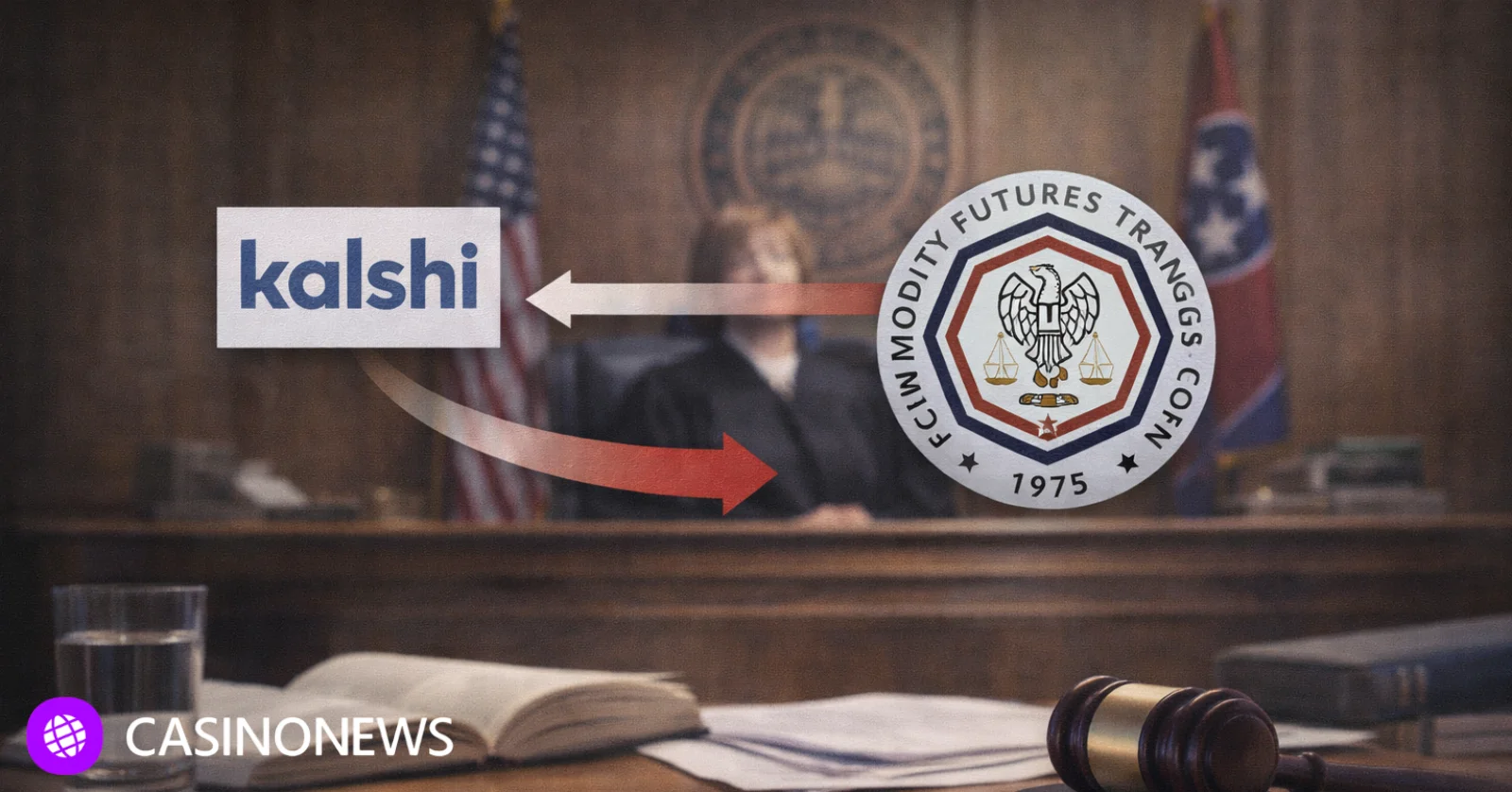
Kalshi walked into federal court in Tennessee asking for protection from a state cease-and-desist. Instead, the judge’s questions cut straight to the uncomfortable point behind the entire prediction-market boom in sports: what, exactly, makes a Super Bowl contract a federal commodities product instead of sports betting with a new label?
The dispute is about who gets to regulate
Tennessee’s Sports Wagering Council has treated sports event contracts as unlicensed wagering and moved to stop them. Kalshi sued, arguing the state cannot block markets that sit under a federal event-contract framework.
That posture matters because it is not just a Tennessee fight. If states can enforce their sportsbook rules against event-contract platforms, the category becomes a state-by-state battle. If they cannot, prediction markets effectively get a national lane that sportsbooks do not have.
The legal question the court keeps circling
Kalshi’s core pitch is that Congress wrote commodities law broadly enough to cover contracts tied to real-world events with commercial consequences, and that sports are a large business with downstream economic effects.
Tennessee’s pushback is simpler: you are offering outcome-based wagering to consumers, and the state has an existing licensing, tax, and consumer-protection system for that. Calling it a “swap” does not change what it does in practice.
Why this hearing is getting attention
The judge’s skepticism is important because it signals the court wants more than broad “sports are big business” framing. Courts tend to look for clean statutory fit, not just a policy argument about innovation.
For operators and regulators watching from the sidelines, this case is becoming a stress test of the whole theory that sports contracts can scale nationally under federal oversight while state betting regulators sit on the outside looking in.