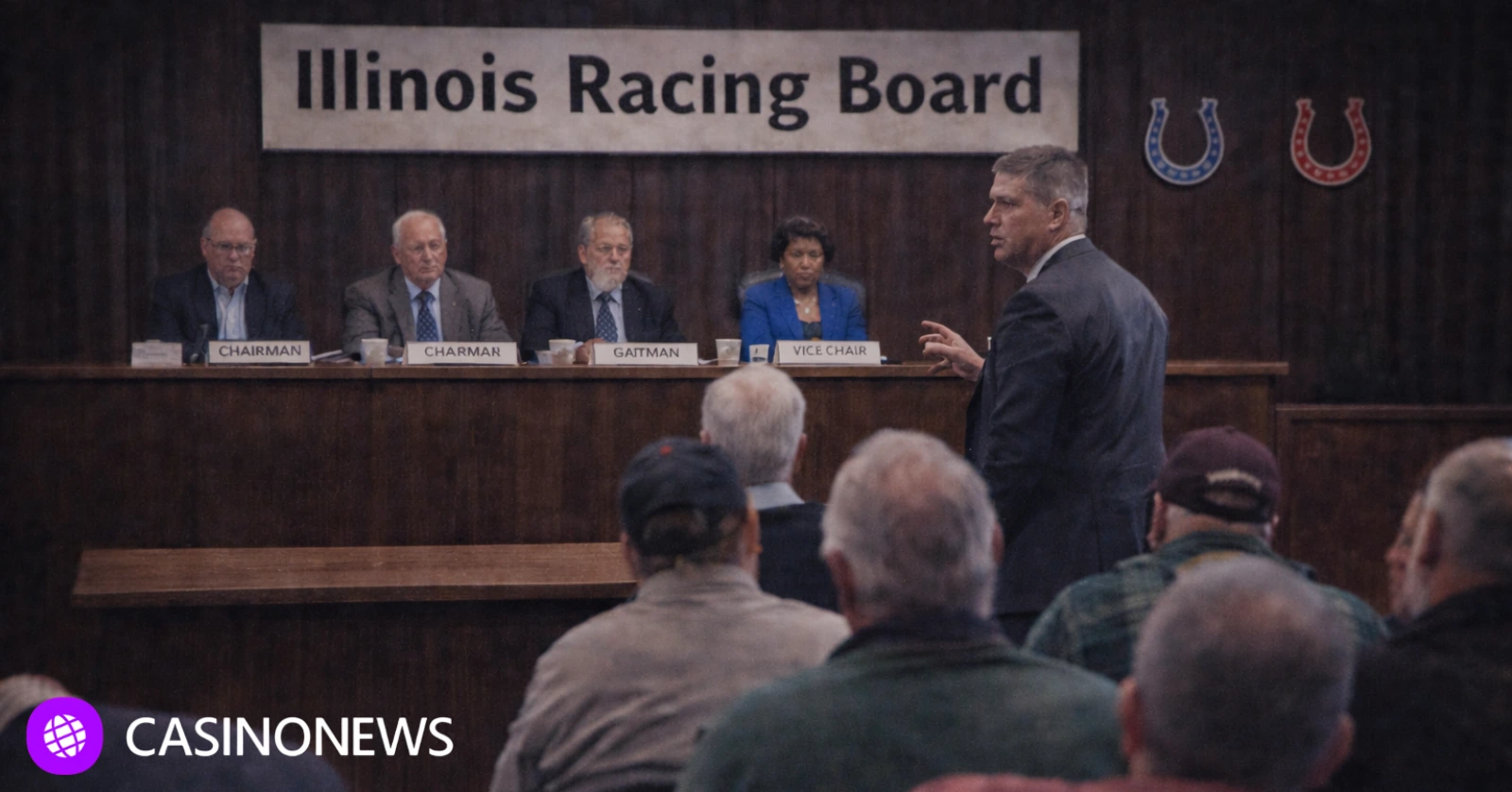
Hawthorne Race Course’s president and general manager, Tim Carey, did not appear at an Illinois Racing Board meeting on January 28, 2026, despite being listed on the agenda. The board and horsemen groups used the session to press for clearer answers on Hawthorne’s finances and racing outlook.
Assistant general manager John Walsh addressed commissioners instead, offering reassurances that progress is coming soon. His appearance, without specifics, sharpened frustration from stakeholders who say they have been waiting months for concrete proof of funding.
Horsemen wanted the person in charge in the room
Horsemen leaders told regulators the absence itself was the issue. They argued accountability matters when livelihoods depend on a reliable schedule and timely payments, and they asked for a viable plan rather than another round of optimism.
Walsh said Carey was “downtown” working with professionals to resolve the situation and suggested the track would meet state expectations by the board’s February meeting. He acknowledged he did not have detailed answers on key financial questions.
Bounced checks and canceled racing have become the warning signs
Horsemen groups described significant unpaid obligations. One group said more than $580,000 in checks had bounced across roughly 66 individuals, while another said its members were owed about $572,000.
The pressure is being amplified by racing disruption. Regulators canceled early January harness cards over missing surety bonds and later suspended Suburban Downs’ harness license for failing to provide documentation showing financial integrity and the ability to operate assigned dates.
The casino plan keeps getting pulled back into the debate
Hawthorne’s long-delayed racino project remains central because stakeholders see it as the long-term fix for purses and site economics. The board has heard repeated timelines over several years, and the latest assurances were again tied to an unnamed partner and near-term movement.
The next checkpoint is February, when regulators will expect documentation that Hawthorne can fund racing obligations and stabilize operations. If that proof does not arrive, the state may face tougher decisions on dates, licensing, and the track’s future role.