Prediction market operators are picking up league partnerships even as the biggest US rights holders keep them at arm’s length. While the NFL has barred prediction market ads from the Super Bowl and maintains a public posture of caution, other leagues have begun treating the category as sponsor inventory, creating a new lane alongside sportsbook partnerships.
The split is being driven by two realities. Prediction markets can operate in jurisdictions without legal sports betting, and they give leagues another way to monetize fan engagement around outcomes without relying only on sportsbook budgets.
Early adopters are moving fastest
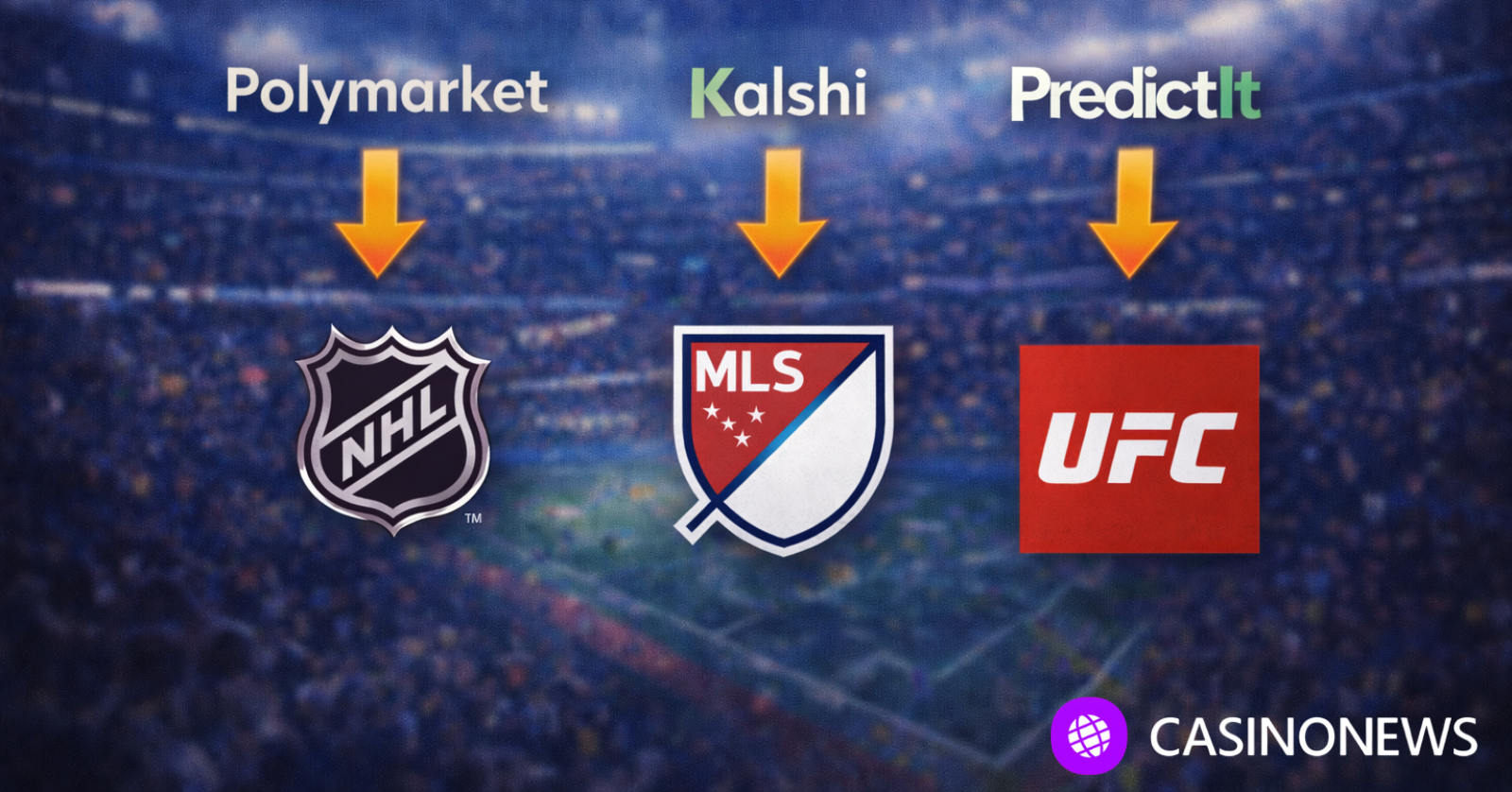
The NHL moved first among major North American leagues, signing official prediction market partnerships with both Kalshi and Polymarket in October. Major League Soccer followed in January with Polymarket, giving the operator an “exclusive” designation that mirrors how sportsbooks have been slotted into league sponsorship rosters.
Polymarket has also pushed into combat sports through a UFC partnership, extending the model beyond team leagues and into event-driven programming where markets can reset weekly.
NFL and NBA keep integrity concerns in the foreground
The NFL has emphasized integrity and compliance gaps as its central objection. League executives have questioned whether prediction markets have the same monitoring, market blocking, and problem gambling infrastructure that sportsbooks provide through long-standing agreements.
The league already has official sportsbook partners, including FanDuel, DraftKings, Caesars, and BetMGM, and those relationships come with strict advertising controls and high-value inventory. The NBA has taken a similar tone in public comments, even as it evaluates how prediction markets intersect with player markets and the wider sports wagering ecosystem.
Sportsbook partners watch category lines blur
As prediction market operators seek “official” status, teams and leagues face pressure to define where the category fits: gambling, financial products, or a separate engagement tool. That classification matters commercially because overlapping designations can dilute sponsor exclusivity and complicate fan messaging around what is licensed, where it is available, and what consumer protections apply.
Sponsorship momentum is building around availability
Prediction markets have become harder for leagues to ignore as they expand through regulated exchanges and high-profile consumer platforms. For now, partnerships are forming league by league, with some treating the sector as an emerging revenue stream and others holding the line until internal integrity standards and regulation catch up.