Super Bowl week usually belongs to sportsbooks and their ad budgets. This year, it is also the week where prediction markets try to prove they can sit in the same conversation.
As the NFL heads into Super Bowl LX on Feb. 8, the loudest moves are not only about odds and props. They are about distribution: who can reach fans at scale, and which rules will decide whether event contracts keep expanding through 2026.
Sportsbooks are rolling out “combo” contracts to keep customers in-app
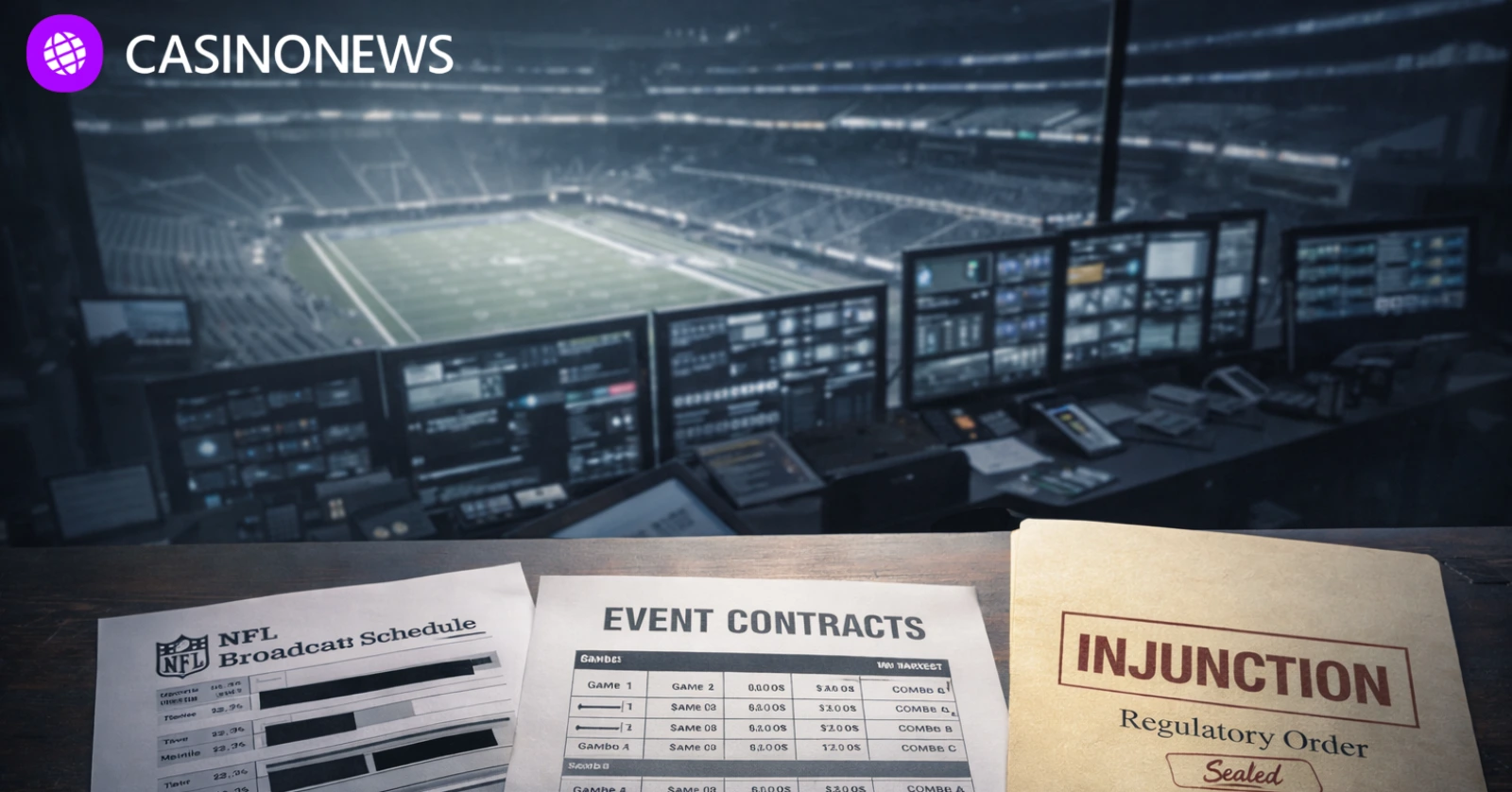
FanDuel and DraftKings have been building prediction-market products that can offer parlay-style packages framed as “combos.” The timing is not subtle. The biggest betting weekend is the cleanest moment to teach customers a new format without asking them to download anything new.
The push is also about reach. Event contracts can operate under a different regulatory theory than sportsbook wagering, which is why the companies are testing how far these products can travel outside their normal state-by-state footprint. Even if the menus look familiar, the legal wrapper is the point.
The NFL is drawing a hard advertising line on prediction markets
The NFL is keeping prediction market ads off the national Super Bowl broadcast by placing the category on its prohibited list. Sportsbooks are not treated the same way, and Fanatics is still set to run a Super Bowl spot promoting Fanatics Sportsbook.
That split matters because the Super Bowl is the biggest mainstream acquisition window of the year. Prediction platforms can still market elsewhere, but losing the national broadcast removes the cleanest single shot at mass distribution. It also signals the league is not ready to treat event contracts like regulated sports betting partners.
Courts and lawmakers are tightening the timetable in the same week
While the market fights for attention, the legal calendar keeps moving. In Tennessee, a federal judge issued a temporary restraining order blocking state regulators from stopping Kalshi’s sports event contracts, with a Jan. 26 hearing set to consider a preliminary injunction.
Statehouses are also pushing on adjacent pressure points. In Maryland, lawmakers have scheduled hearings on bills aimed at online sweepstakes-style gaming and related enforcement posture, part of a wider trend of states trying to close perceived loopholes.