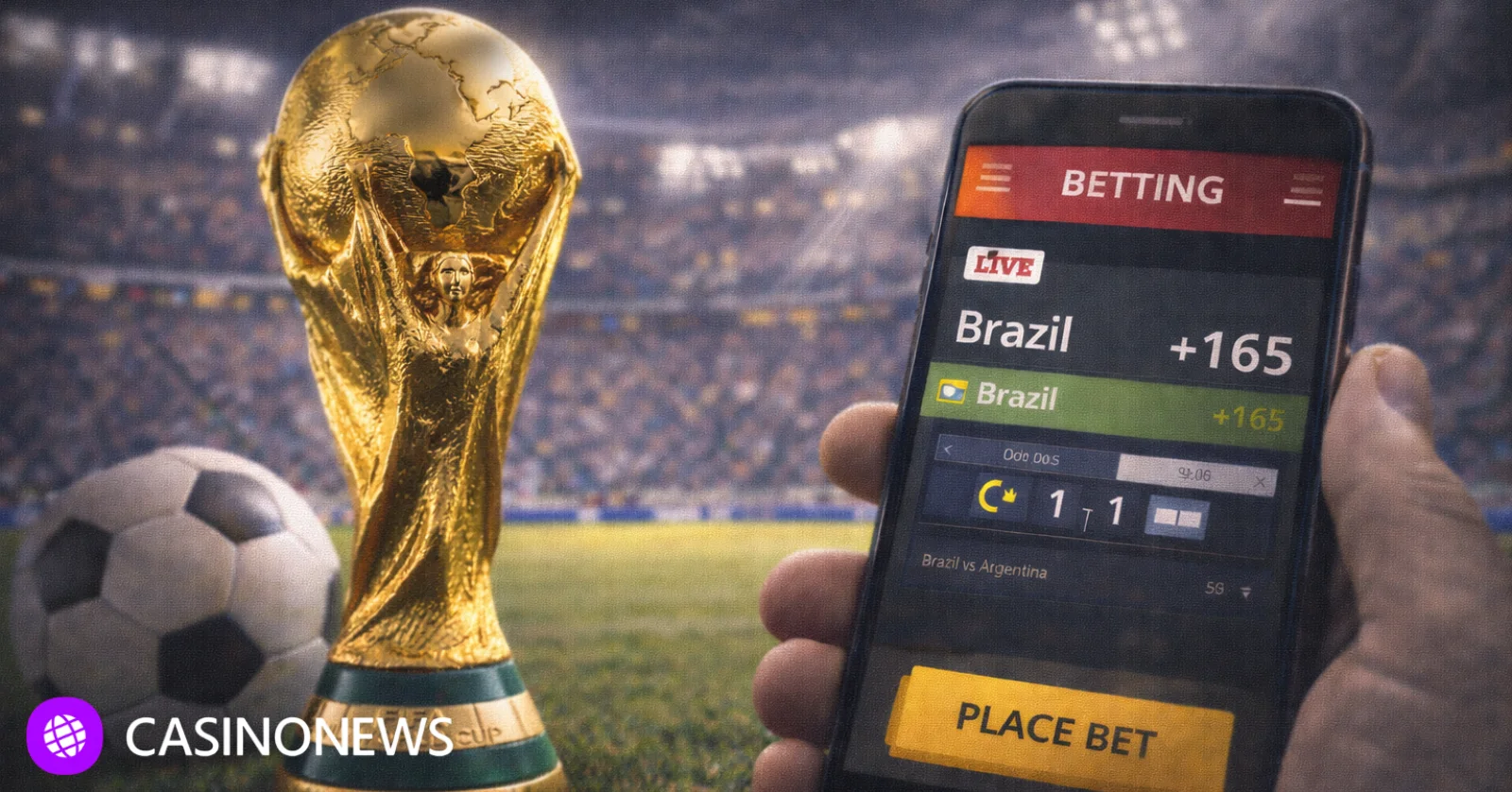
During the 2022 FIFA World Cup, UK viewers often had two ways to watch the same tournament: matches on ITV, which carried gambling advertising, and matches on the BBC, which did not. A new study says that split mattered for betting behavior, especially once the game was already underway.
ITV vs BBC created a clean comparison
Researchers tracked 365 men aged 18 to 45 in England who already bet on football, then compared their betting during matches shown with gambling ads versus matches shown without them. The World Cup schedule effectively created a “natural experiment” because the broadcasts were split between the two channels.
The study found football betting frequency was 16% to 24% higher during matches televised on the ad-carrying channel. Participants were also 22% to 33% more likely to place a bet during those games. The authors stress the sample was specific and not meant to represent all viewers.
The bigger signal is what happens in-play
The most policy-relevant part is that the effect shows up in live match moments, where decisions are fast and opportunities keep refreshing. If ads are prompting extra wagers during play, that is different from simply nudging bettors to pick one operator over another.
The study does not claim every flagged increase is harm, or that advertising “causes” all additional betting in a simple way. But it supports a common concern from public health voices: advertising during sport can act like a trigger, lifting overall betting intensity during the broadcast itself.
It adds to an existing pile of UK evidence
Other published work has already shown how saturated tournament coverage can be with gambling promotion. For example, researchers reviewing ITV’s Qatar 2022 broadcasts documented the presence and style of gambling adverts across games.
That matters in the UK because the main TV ad limits around live sport are still largely voluntary, built around the industry’s “whistle-to-whistle” approach rather than a hard statutory ban. As the 2026 World Cup approaches, this study gives critics a simple, match-level data point to cite in that debate.
The takeaway is not that one paper settles the argument. It is that timing and exposure during live sport appear to measurably change what existing bettors do.