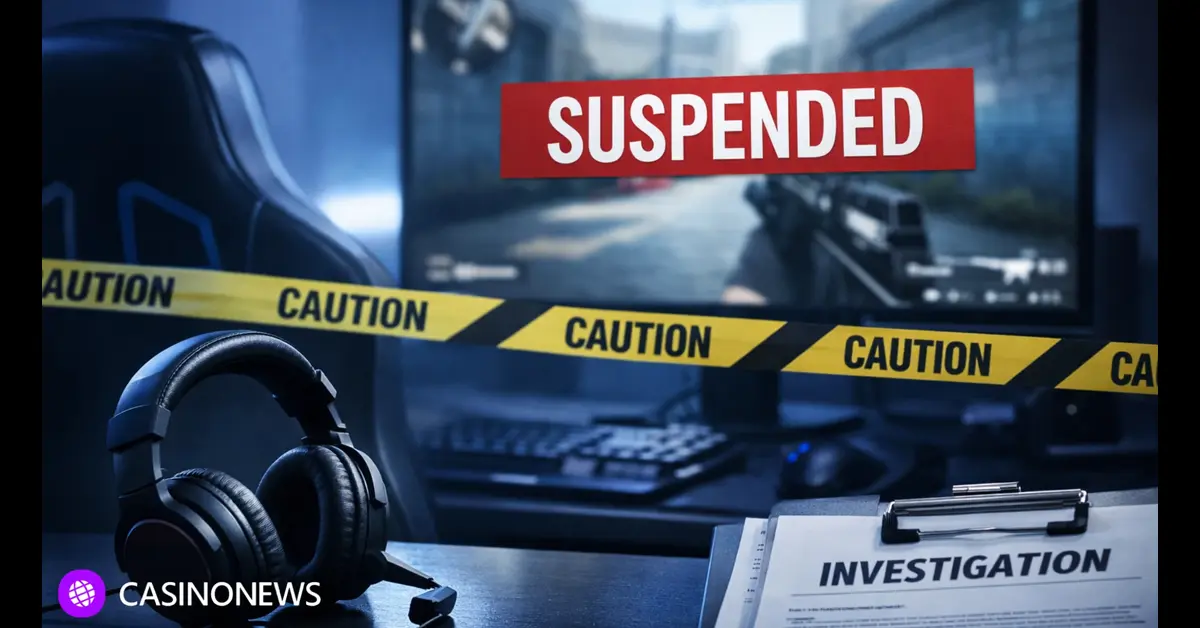
A VALORANT Champions Tour (VCT) player has been suspended from participation for a year after an investigation found they had breached Article 4.14 of the Riot Games Esports Global Code of Conduct.
Joseph ‘Ban‘ Seung-min had engaged in discussions around a proposed match-fixing opportunity in the buildup to a VCT Pacific encounter between Global Esports and Team Secret, held on July 19th, 2025. Screenshots uncovered in the inquiry revealed financial terms had been discussed, though it was found Ban did not actively participate in any deliberate match-fixing.
The communication was deemed in breach of the rules, which states that “esports professionals may not match-fix or otherwise manipulate the outcome of any match or competition or request, encourage, or instruct others to manipulate it.”
On top of the 12-month suspension, Ban is required to participate in an educational program that focuses on “integrity and ethics”. Failure to comply with the training could lead to a permanent expulsion from Riot Games and the team he represents. At the time, Ban was playing under the Global Esports banner, though he has since left the team.
Online posts lead to wider investigation
The case came to prominence after screenshots were put on social media platforms that caught the attention of Riot Games.
In a statement, the body said: “On August 27, 2025, Riot Games became aware of an online post containing unverified screenshots that appeared to show private messages discussing match-fixing within VCT Pacific. Upon being aware of the allegations, Riot Games appointed Sportradar, as part of its integrity protocol, to further look into the matter. Sportradar completed interviews with all relevant persons of interest and witnesses, with these concluding on November 18, 2025.
“Information gathered through witness testimonies and document review, indicated that Ban may have engaged in match-fixing related activities.”
Concluding its ruling, the company emphasized the importance of protecting the probity of the competition. It said: “Riot Games considers match-fixing a severe violation of its Global Code of Conduct due to the significant threat it poses to the competitive integrity, trust, and long-term viability of the esports ecosystem.”
Case reflects slew of match-fixing cases in esports
The case is just the latest in a string of investigations undertaken by Riot Games. In June 2025, Trevor John “Trevor” Roy, a League of Legends esports player, was banned for 30 months after being found to be in breach of its Global Code of Conduct. In a statement at the time, Riot Games said: “The investigation established that Trevor entered into a financial agreement with the fixer to ensure his team lost the match 0-2, and that Trevor received a payment related to this arrangement.
In July 2025, the body was forced to act after serious accusations from Sean ‘sgares’ Gares, General Manager of North American esports organization Shopify Rebellion, who claimed he had proof of underground gambling rings. Its probes found no evidence of wrongdoing.
Elsewhere, the Esports Integrity Commission (ESIC) banned seven individuals for breaches of integrity in May 2025. Releasing a 15-page report detailing an extensive investigation into suspicious betting surrounding the ATOX squad of Counter-Strike 2 (CS2), it found “ATOX’s match-fixing activity was long-running and organised, not opportunistic or limited to a single fixture. This persistent pattern significantly undermined competitive integrity.”
ESIC has also imposed interim bans on teams like Swedish CS2 side Northern Lights while probing integrity breaches, and has committed to expanding partnerships with industry stakeholders to strengthen anti-corruption monitoring
Integrity challenges persist in esports
Despite sustained efforts to combat it, match-fixing surfaces regularly across esports, particularly in lower-tier competitions with limited financial safeguards. However, integrity bodies and publishers argue that the volume of cases reflects improved detection rather than unchecked growth in corruption.
Partnerships such as ESIC’s collaboration with Victoria Police’s Sporting Integrity Intelligence Unit and its anti-corruption education program launched with betting operator GG.bet in 2023 have expanded monitoring and reporting mechanisms, bringing more incidents to light at earlier stages.
Industry stakeholders maintain that esports’ fragmented structure and the global betting exposure create elevated risk. Until cases start to come down, they will hope efforts to root out the scourge of match-manipulation in the competitive esports arena continues to yield regular results.
While other established sports have their instances of match-fixing, they do not face the same digital-age corruption challenges provided by esports. Research conducted in March 2025 by the International Sports Law Journal titled: A systematic literature review of esports integrity notes that traditional sports integrity frameworks “are insufficient for addressing esports-specific issues,” underscoring the need for tailored approaches to integrity and governance in competitive gaming.
As integrity enforcement intensifies, publishers and betting monitors are likely to face growing pressure to identify suspicious activity earlier, particularly as esports wagering volumes continue to expand across global markets.