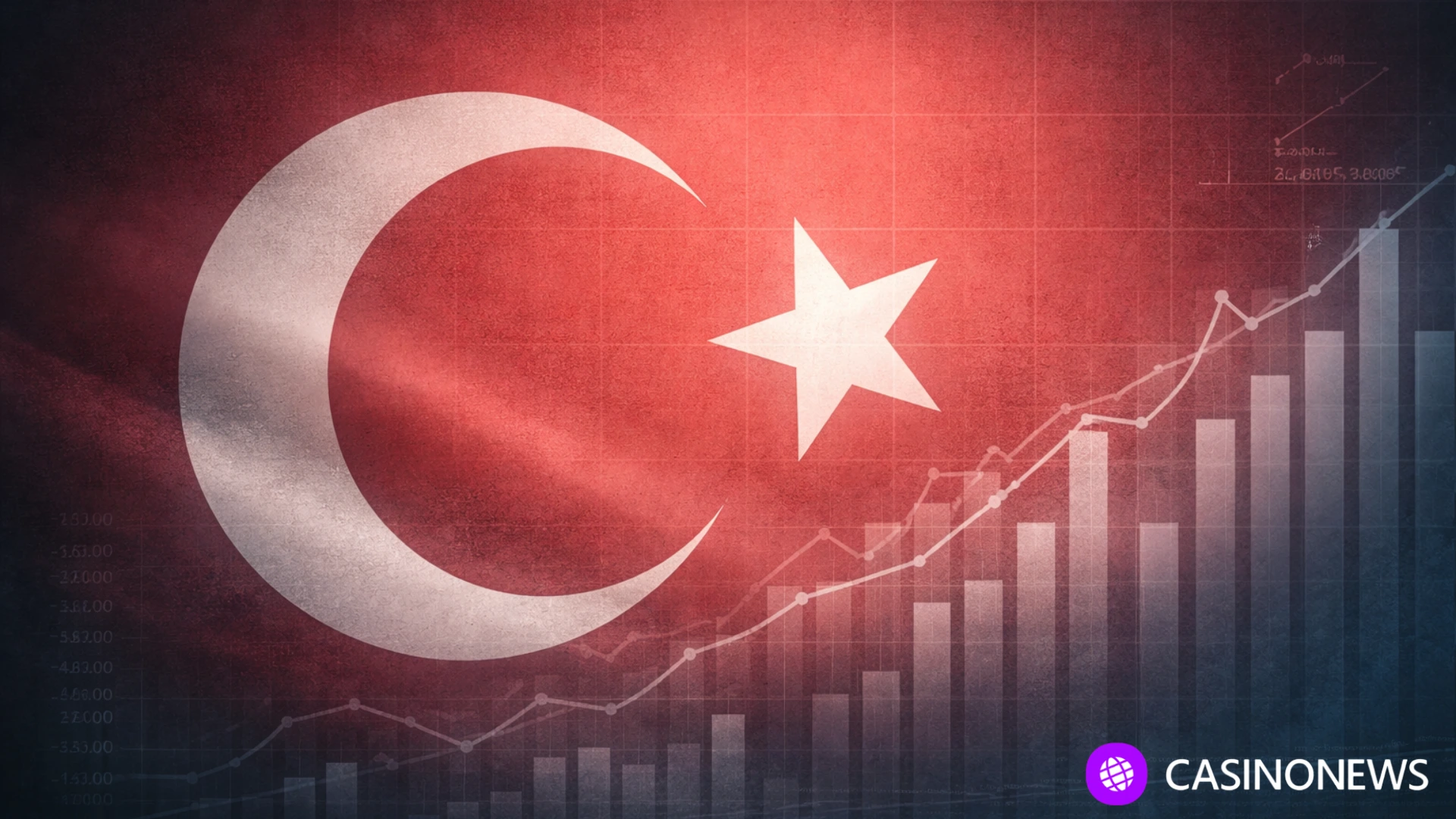
Turkey reinforced its status as one of the fastest-growing betting hubs in the world after reporting a surge in gambling tax revenue this year. According to recent data, they profited to the tune of 50.2 billion lira ($1.18 billion). That represents a massive increase of the figure from 2020, when gambling tax revenue came in at just 3.46 billion lira ($500 million at the time).
The uptick in profit is being credited to a tax change that occurred in the aftermath of the 2023 election, when authorities doubled levies on sports betting, horse racing and other games of chance. While rates came down at the end of that year after some furious lobbying, collections continued to climb from there on.
Turkey channels gambling-related income directly into state finances, using it as a controlled source of non-tax revenue rather than a commercial industry. Most forms of gambling remain illegal, but state-sanctioned lottery and sports betting operations, overseen by the Treasury and Finance Ministry and run through Milli Piyango, generate proceeds that flow primarily into the central budget. Portions of that revenue are earmarked for public purposes such as education, youth and sports development, and social assistance.
While legal industry grows, illegal bookmakers continue to thrive
Turkey continues to have issues with illegal betting operators, despite those positive revenue reports. Back in October, the Turkish Interior Ministry said law enforcement carried out 1,120 operations targeting illegal betting and gambling between January 1, 2024, and October 6.
Not only do states fail to benefit to the tune of any tax revenue from the advent of illegal gambling, but there remains massive concern as to the long term effects of its citizens.
Interior Minister Ali Yerlikaya commented on the raids at the time: “Illegal betting is a trap and exploitation chain. These dark networks especially lure our youth with promises of easy gains, pushing them into debt, crime and even suicide. Families are broken, financial collapse deepens and mental health deteriorates. As a ministry, we address the entire economy of crimes, including money laundering, digital fraud and illegal gambling, in a holistic manner. We continue to carry out a multi-faceted fight against illegal betting and gambling networks, and we will continue to do so.”
A nationwide survey conducted in 2025 by a Turkish anti-addiction group in partnership with the Health Ministry found that illegal online betting remains widespread. The study, which polled more than 36,000 people across 26 provinces, reported that 6.6% of respondents who said they had gambled in the previous month acknowledged using unlicensed online betting platforms.
Match-fixing at center of investigations
The actions from the Turkish Interior Ministry unveiled a serious issue inside the professional soccer scene in the country. Courts on November 22 ordered the arrest of 32 suspects, including four referees, charging them with laundering proceeds from illegal betting.
Internal audits revealed by the Turkish Football Federation (TFF) last month revealed that of 571 active professional referees, 371 held active betting accounts. Furthermore, the TFF suspended 149 referees and assistant referees for gambling breaches.
Turkey treats match manipulation as a criminal offence under its sports-integrity legislation, exposing offenders to custodial sentences. The law, which is designed to prevent violence and corruption in sport, allows courts to impose prison terms of up to three years for fixing or influencing sporting outcomes. Penalties can be increased further in cases where prosecutors establish links to organised criminal networks, reflecting authorities’ view that betting-related corruption poses broader risks to public order and financial integrity.
The country is set to host Euro 2032 and is working overtime to address concerns around sporting integrity before the event gets underway.
The figures underline a central challenge facing Turkish authorities, which is balancing rising state revenue from tightly controlled legal betting against the scale of illegal activity operating outside the tax system. While higher levies have bolstered public finances, enforcement agencies continue to warn that unlicensed operators and betting-linked corruption pose financial, social and sporting risks that tax receipts alone cannot offset. The government has signaled it will continue to rely on policing and regulatory controls rather than broader market liberalization as it seeks to protect revenue gains and curb illegal gambling’s reach.