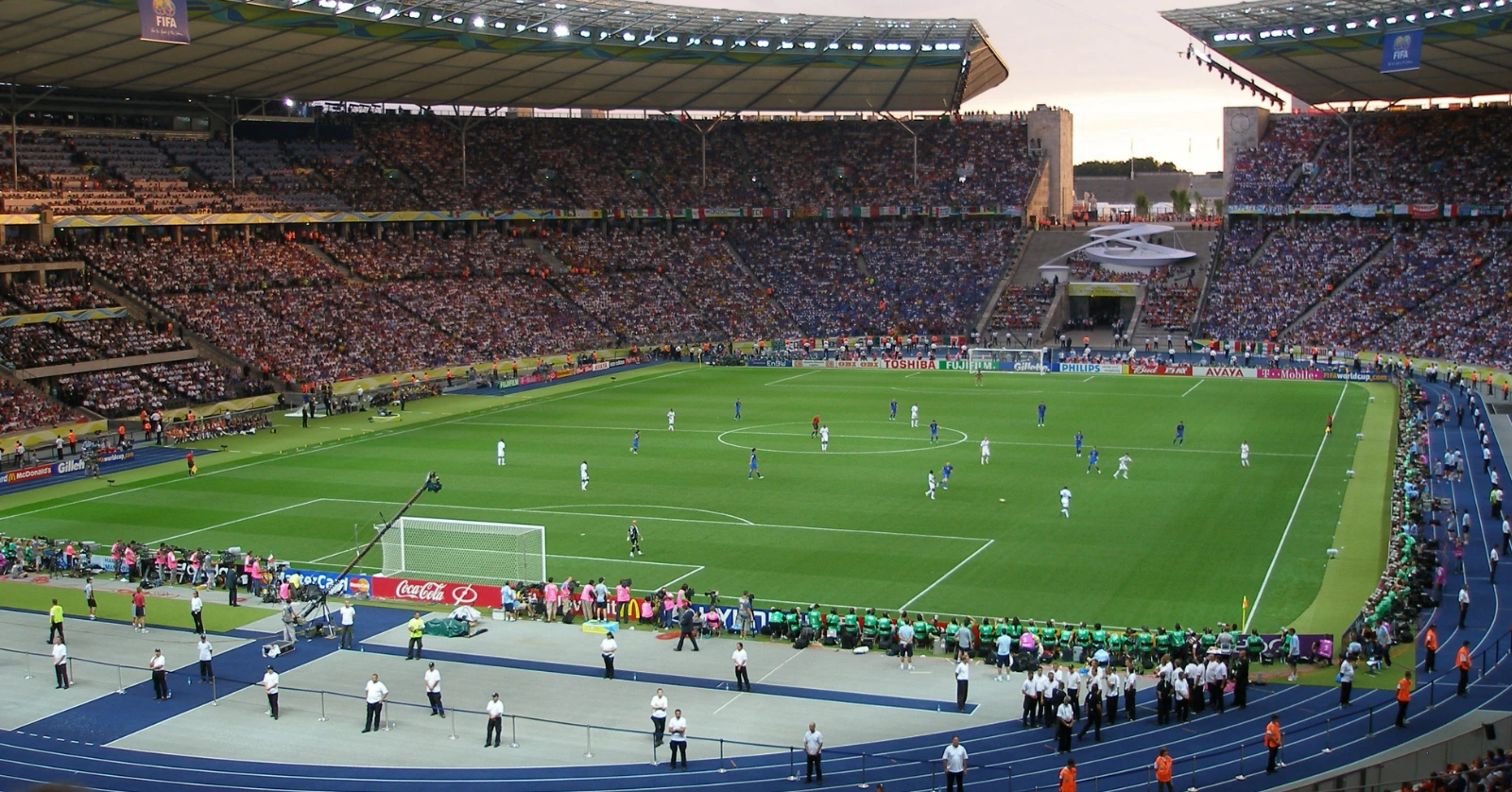
A prediction market startup has been named as an official partner of the FIFA World Cup, which is expected to attract up to 6 billion viewers across the summer.
ADI Predictstreet will deliver what FIFA calls “a new interactive forecasting experience” for fans through every match. The company operates off a purpose-built Layer-2 (L2) network designed for governments, financial institutions, and enterprises, particularly within the Middle East, Asia, and Africa.
However, the announcement has attracted some criticism, with football finance expert Kieran Maguire posting on social media platform X: “FIFA signs ADI Predictstreet to World Cup sponsorship as official prediction market partner. ADI Predictstreet has no website, and is an Abu Dhabi based crypto company with a Gibraltar gambling licence per
@uglygame.”
Partnership signals FIFA pivot to blockchain-powered products
Facing shifting fan habits and the digitization of sports media, football’s global governing body has accelerated a move into blockchain-based products, betting the technology can reshape how billions of supporters engage with the game.
At the center of the strategy is “FIFA Collect,” a marketplace for digital collectibles, often in the form of non-fungible tokens, or NFTs, that allow fans to buy, trade and own authenticated highlights and memorabilia from major tournaments.
But FIFA’s push goes beyond collectibles. In 2025, it began migrating these services onto a custom-built blockchain network, marking a broader pivot toward owning its digital infrastructure rather than relying on outside platforms. The partnership with ADI Predictstreet speaks to that approach.
Announcing the partnership, FIFA President Gianni Infantino said: “FIFA is committed to continually enhancing the fan experience and embracing innovation that brings supporters closer to the game. By partnering with FIFA, ADI Predictstreet will be introducing an exciting new way for fans around the world to engage with football, using insight and interaction to deepen their connection with our competitions.”
Ajay Hans Raj Bhatia, Principal Council Member of ADI Predictstreet, added: “This partnership marks a defining moment for ADI Predictstreet and how audiences engage with major events, as we lay the foundation for a new category where collective intelligence, technology, and real-world outcomes converge.”
Criticism of ADI Predictstreet authenticity
The deal has come under scrutiny straight away, with some critics raising serious concerns about due diligence, pointing to the company’s lack of a functioning product and minimal operational history. Unlike established rivals such as Polymarket and Kalshi, the Abu Dhabi-backed startup has yet to launch a live platform, with limited online presence and unclear capacity to deliver the large-scale betting markets FIFA is promoting.
Regulatory issues are central to the criticism. Predictstreet holds only a recent license in Gibraltar, restricting legal use to a small jurisdiction while remaining unlicensed across most of the world, including key football markets. Observers warn this could expose FIFA to legal and reputational risks, particularly as prediction markets already face scrutiny over potential insider trading and their status under international betting standards.
Further controversy surrounds the company’s leadership. Ajay Bhatia, a senior executive tied to the project, previously paid a six-figure settlement to Indian regulators over insider trading allegations, without admitting wrongdoing. Combined with the firm’s opaque blockchain ecosystem, limited real-world usage and backing from entities linked to Abu Dhabi’s ruling elite, critics argue the partnership reflects a high-risk bet by FIFA on an unproven and potentially contentious sector just months before the World Cup.
Betting at 2026 World Cup expected to surpass $35 billion
Meanwhile, the FIFA World Cup remains the most powerful force in global sports betting, with analysts expecting the 2026 edition to set new records. The tournament routinely surpasses even the Olympic Games in audience and commercial impact, and for bookmakers it is the single biggest driver of wagering worldwide, with projections pointing to growth beyond the $35 billion bet during 2022 FIFA World Cup.
That 2022 figure, estimated by Barclays, represented a sharp 65% increase from the 2018 tournament, underscoring a sustained rise in global betting activity. Analysts say the upward trend is being fueled by wider legalization, improved digital access and the normalization of regulated betting markets across major economies ahead of 2026.
A major factor in that growth is the emergence of Brazil as a newly regulated betting market. Industry estimates suggest the country could account for roughly 10% of global World Cup wagering, placing it among the largest markets worldwide. Following the rollout of its regulatory framework in 2025, Brazil has quickly become a key contributor to global betting liquidity, reflecting its large population, strong football culture and expanding online access.
Experts say the 2026 tournament is likely to mark another turning point. With an expanded format, broader geographic reach and more mature regulated markets, the event is expected to drive unprecedented betting volumes, signaling not only higher demand but also a more integrated and transparent global wagering ecosystem.