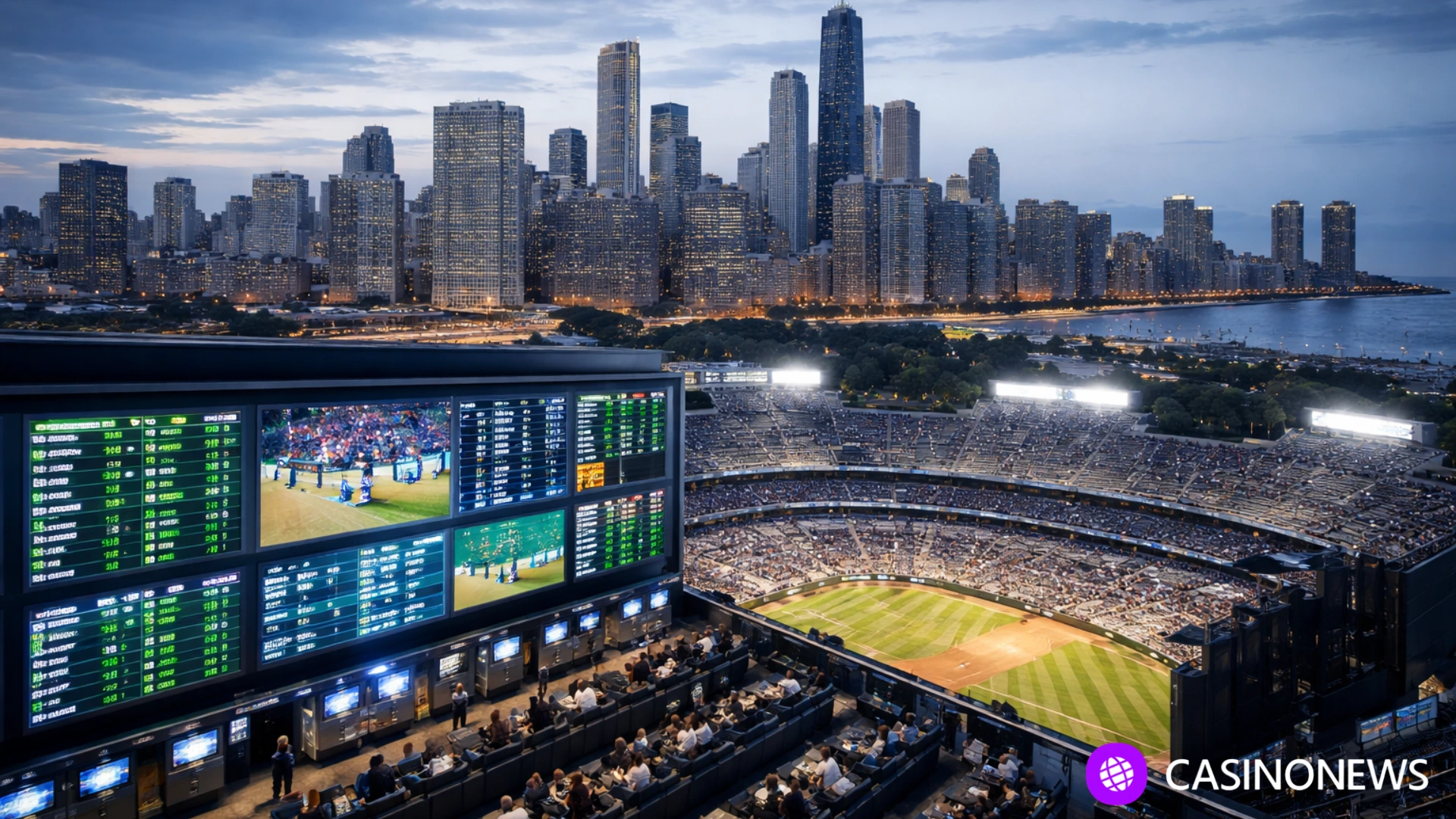
Major sports betting operators have withdrawn an emergency court bid against the City of Chicago, easing the immediate threat that some sites could be forced to suspend operations for city-based customers as new taxes and licensing requirements come into force.
The Sports Betting Alliance (SBA), which includes Bet365, BetMGM, DraftKings, FanDuel, and Fanatics Betting and Gaming, filed an emergency injunction in the run-up to new year’s eve seeking to block the enforcement of new sports betting regulations. Question marks were also raised about the method of obtaining a license, with the SBA highlighting the lack of any properly outlined process.
Earlier in the month, a letter sent on behalf of the SBA requested a delay in the implementation of new laws, which included an additional sports wager tax. There were concerns around the wording of the new law, which specifically targets wagers made at a physical location. At the time of writing, there are no brick-and-mortar sportsbooks that provide online services. It’s perhaps an oversight, but opponents to the bill suggest it’s another example of how it’s a poorly thought-out piece of legislation.
In a statement, the SBA said: “We are pleased to see the City of Chicago moved quickly yesterday to maintain the operations of legal platforms that provide customer protections not available in the illegal market. Given these developments, there was no longer any need for an expedited Temporary Restraining Order (TRO). That said, our complaint related to the constitutionality of Chicago’s proposed tax will continue to proceed on the merits in court.” A hearing has been scheduled for March.
What the new Chicago tax law dictates
Last month, the City Council agreed on a 10.25% levy on adjusted gross receipts from all sports bets placed within the boundaries of the city. The move was not well received by the sector in Illinois, which already pays between 20% and 40% in state taxes. There is also a further $0.25 per-wager fee on each of the first 20 million bets placed within the city, which compelled sportsbooks to pass the cost onto the customer in the form of a per-bet transaction fee.
The council also gave a nod to charging sports betting operators licensing fees ranging from $5,000 up to $50,000. The lawsuit argues any regulation imposed by the local government is illegitimate, given the City’s historical limitations in enforcing statewide legislation.
“The Illinois Constitution reserves authority over licensing for revenue and income-based taxation to the State unless expressly delegated. The Illinois General Assembly has never authorized the City to impose licensing fees or income-based taxes on online sports wagering,” the lawsuit lays out.
There is political support for the betting industry position, too. State Rep. Daniel Didech (D-Bufffalo Grove) offered a press release back in October backing the case put forward by the SBA: “When the legislature legalized sports betting in 2019, it was never our intent to allow local governments to create their own rules for this industry. Chicago’s proposal will hurt consumers, drive vulnerable people to predatory illegal markets, and reduce state tax revenue. The city should work collaboratively with the state to ensure sound, informed policy decisions are made on this issue.”
City officials say the new tax is part of the 2026 budget plan designed to generate roughly $26 million in additional revenue for the city, a measure included alongside other tax and fee increases to help fill a budget shortfall
Why regulatory and licensing clarity is crucial for betting companies
With no ability to guarantee a license, operators would have had to suspend all operations. They argue that would leave sports bettors at risk of falling to the whims of the illegal betting industry, with no protections or regulations to protect them.
There are financial risks for state governments, too, if regulated gambling isn’t enforced, according to the SBA. In their State Of Play update last year, they estimated sports betting generates $14 billion a year in new tax revenue for states where it’s legal and regulated”.
What’s more, they argue, “bets made with unregulated sportsbooks cost states nearly the same potential revenue, roughly $13 billion in tax revenue is lost every year that could go to educating kids, building roads, or helping families afford college.”
Pennsylvania is a case in point of how a successful legalized sports betting industry can lead to real returns to the state. Last month, they announced a total gaming revenue reaching $623.1 million despite the month having fewer days than October.
A brief history of sports betting in Chicago
Chicago has a rich and storied history with the gambling industry, much of which is rooted in the period of the late nineteenth and early twentieth century periods. Over the decades, federal and state crackdowns repeatedly squeezed the market without eliminating it, leaving Chicago bettors to rely heavily on informal “street book” systems tied to racing information flows and other line-distribution channels that became central to illegal sports wagering nationwide.
Legal, regulated sports betting arrived much later. After the U.S. Supreme Court’s 2018 decision striking down the federal sports-betting ban framework, Illinois lawmakers passed the Illinois Sports Wagering Act, signed by Gov. J.B. Pritzker on June 28, 2019. The state’s first legal wager was placed March 9, 2020. Despite its recent shift to legalized betting, choppier waters could be on the horizon for the sector in the Windy City.