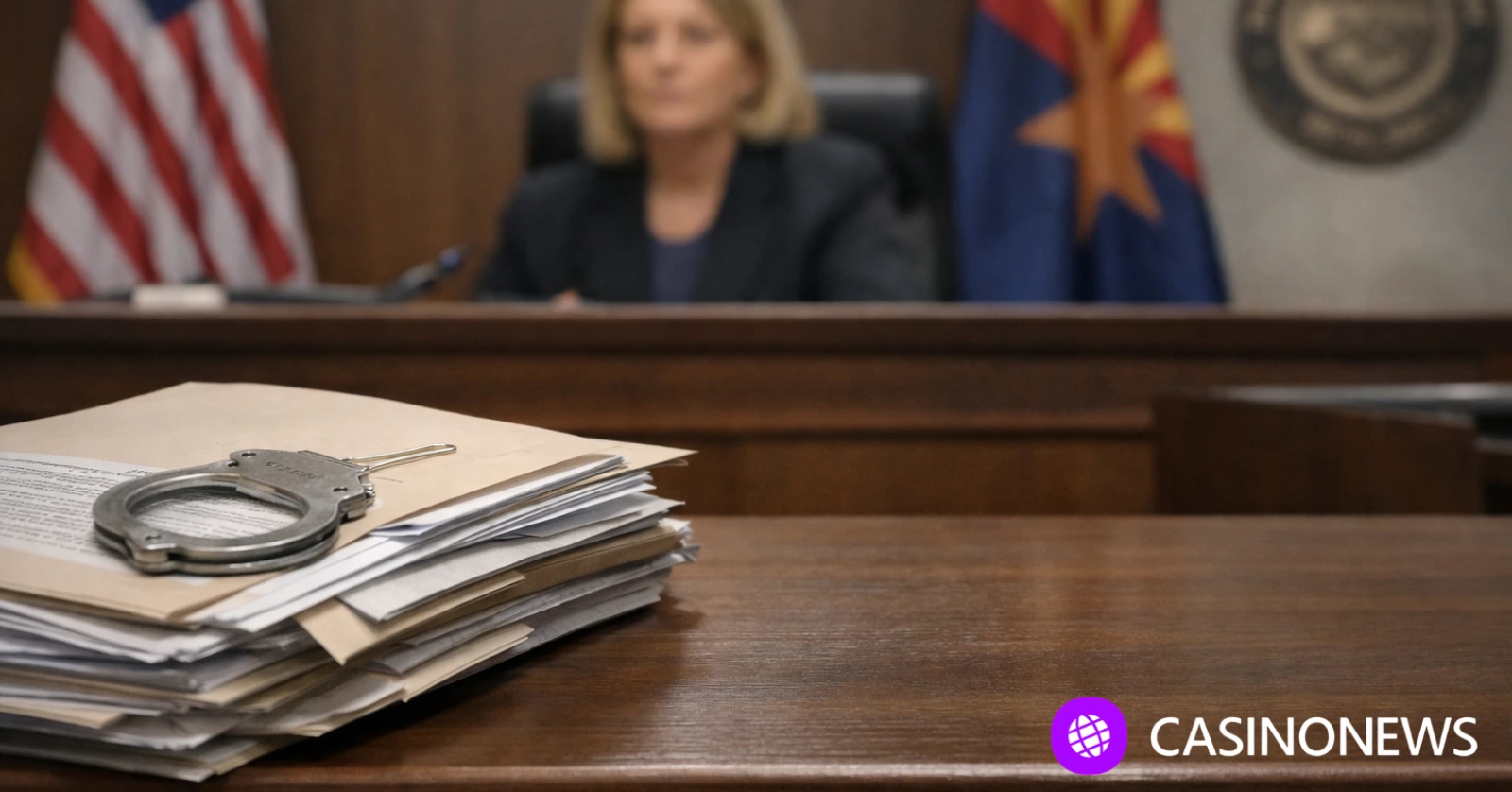
Prediction market business Kalshi has another legal battle on its horizon after Arizona Attorney General Kris Mayes hit the company with 20 criminal charges relating to its alleged “illegal gambling operation”.
The company has hit back, calling the Arizona AG’s arguments “paper thin”, adding that it is comprehensively regulated by the Commodity Futures Trading Commission (CFTC).
Kalshi “violate Arizona war”, says AG
Mayes’ approach marks the first time a state has pursued a criminal case against a business in the prediction market space. In recent months, the likes of Kalshi and Polymarket have been in an increasing number of flashpoints with state lawmakers, many of whom believe the practice often bypasses state laws, taxes, and oversight by claiming federal financial regulation.
Many are also worried about manipulation, insider advantage, and the ethics of betting on real-world events like elections or conflicts.
Announcing the case, she said: “Kalshi may brand itself as a ’prediction market,’ but what it’s actually doing is running an illegal gambling operation and taking bets on Arizona elections, both of which violate Arizona law. No company gets to decide for itself which laws to follow.”
The filing claims Kalshi unlawfully took bets from Arizona residents on various outcomes, including sports events, individual player performances, and the potential passage of the SAVE Act. It also cites four counts tied to election wagering, covering bets on the 2028 presidential contest and major 2026 Arizona races for governor, the Republican primary, and secretary of state.
Betting on election outcomes is illegal in Arizona, where state law bars wagering on contests not expressly authorized, including political races.
Kalshi criticizes charges
The company issued a strongly-worded statement in response, ridiculing the idea of a state attempting to regulate a nationwide financial exchange, adding they are “trying every trick in the book to do it”. They added: “It’s different from what sportsbooks and casinos offer their customers, and it should not be overseen by a patchwork of inconsistent state laws.”
Last year, Kalshi CEO Tarek Mansour said the company should not be regulated like sportsbooks. In an interview with Axios in March 2025, he said: “I just don’t really know what this has to do with gambling. If we are gambling, then I think you’re basically calling the entire financial market gambling.
“In our markets, you’re trading in an open financial marketplace. You’re trading against other people. If you go to a traditional model, you’re betting against a sportsbook. They’re setting the odds and they make money if you’re losing money.”
The Arizona case is likely to alarm the prediction market industry because it signals a major escalation, with a state pursuing criminal charges rather than civil or regulatory action against a federally regulated exchange. It also raises the risk that other states could follow suit, challenging the industry’s core argument that it falls under federal oversight and creating a patchwork of legal threats nationwide.
Criminal case comes after Kalshi sues Arizona
The legal case from Arizona appeared to have been anticipated by Kalshi, with the company announcing it was suing the state on Thursday last week.
In the complaint, it said: “Shutting down Kalshi’s ability to offer event contracts in Arizona would threaten Kalshi’s viability and require devising complex technological solutions whose feasibility is entirely untested and unclear. It would also impair Kalshi’s existing contracts with consumers and business partners, subject Kalshi’s users to uncertainty and loss, undermine confidence in the integrity of Kalshi’s platform, threaten its prospective business relationships, and jeopardize Kalshi’s status as a CFTC-approved exchange.
“For these reasons, Kalshi intends to seek injunctive relief to avoid the immediate and irreparable harm that would result if Defendants were to commence an enforcement action.”
Responding to the news, Mayes accused the company of trying to “avoid accountability”. She said: “Kalshi is making a habit of suing states rather than following their laws. In the last three weeks alone, the company has filed lawsuits against Iowa and Utah, and now Arizona. Rather than work within the legal frameworks that states like Arizona have established, Kalshi is running to federal court.”
Arizona latest state to challenge the prediction market sector
Arizona’s case marks one of the most aggressive actions yet from state lawmakers. In New York, regulators have taken a civil approach, examining whether prediction markets are offering contracts that resemble sports or event betting without proper authorization. Authorities have signaled that certain offerings could violate state gambling rules if they mirror traditional wagering products.
Massachusetts has also scrutinized the sector, with regulators reviewing whether platforms are effectively operating as sportsbooks under another name. The state has focused on consumer protection concerns, including oversight, transparency and whether users fully understand the risks involved.
Nevada, home to a long-established and tightly regulated betting industry, has pushed back strongly, with regulators asserting that prediction markets may be unlawfully encroaching on licensed sportsbooks. Officials there argue any company offering event-based wagering must comply with the state’s strict gaming framework.
The outcome of Arizona’s case could prove pivotal for the future of prediction markets in the U.S., as courts weigh whether these platforms fall under federal financial oversight or state gambling laws.
With more states stepping in and legal challenges mounting, the industry now faces a defining moment that could reshape how, and where, event-based trading is allowed to operate nationwide.