

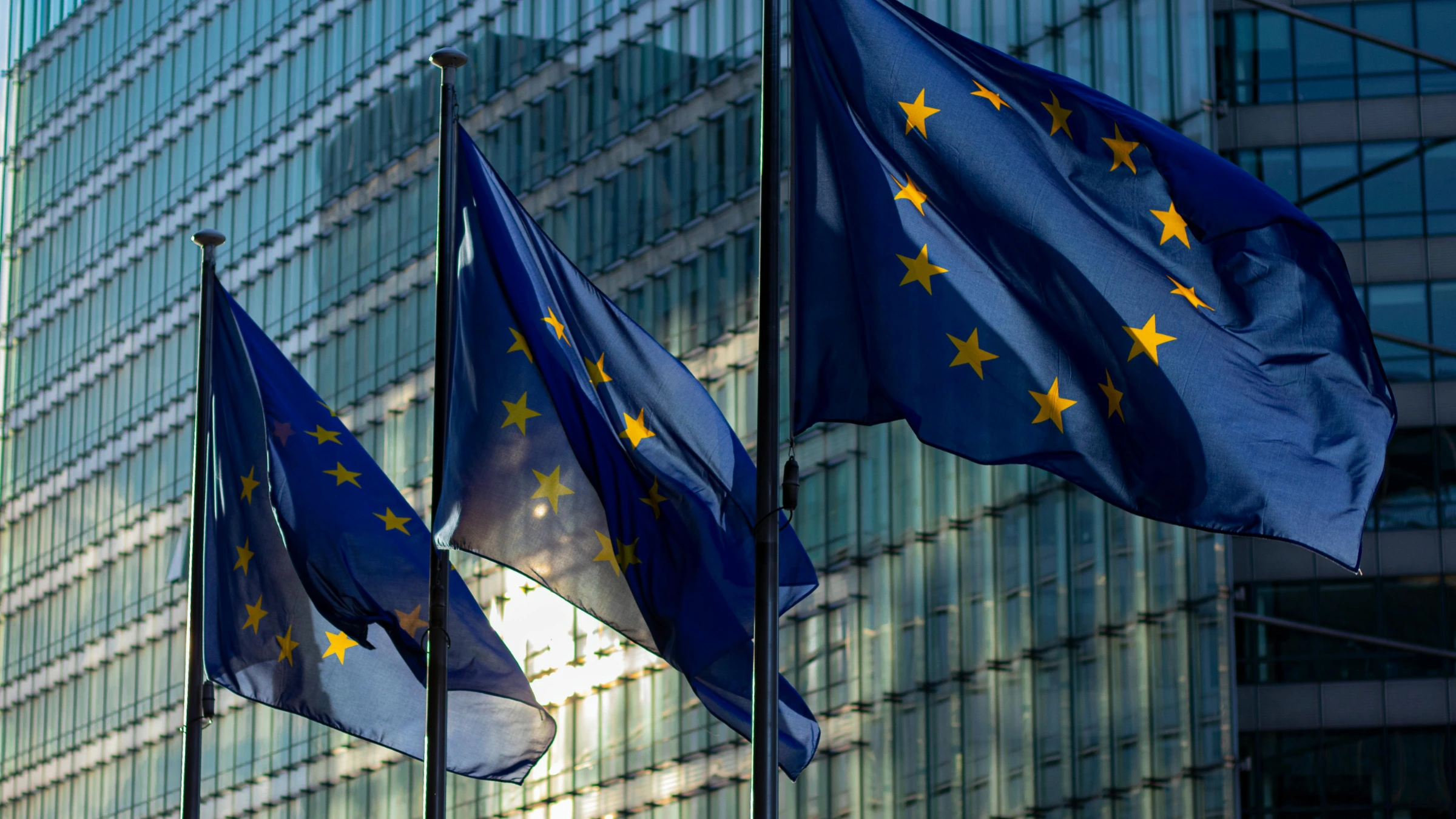
EU lawmakers are preparing to discuss a new levy on online gambling as part of the search for fresh revenue for the bloc’s next long-term budget. The proposal is expected to be discussed by the European Parliament’s Budget Committee on May 27. It would add online gambling to a wider list of possible EU revenue sources for the 2028-2034 budget, alongside ideas such as digital, crypto and environmental levies.
Proposal targets online gambling revenue
The gambling option being discussed is a 1% levy on online gambling revenues or turnover. The money would be used to support the EU budget rather than flowing only through national tax systems.
Supporters see online betting and gaming as a sector that can raise money while also carrying social costs. The Socialists and Democrats group has called for a new EU resource from online gambling, online betting and betting-like digital activities, with funds linked to areas such as education, youth, mental health and addiction prevention.
The idea is still at the political discussion stage. Any EU-wide tax would need to move through a difficult budget process involving Parliament, the European Commission and member states.
Budget fight raises search for new money
The debate comes as the EU prepares its 2028-2034 financial framework. Parliament backed a larger long-term budget in April, supporting a plan worth about €1.94 trillion over seven years and calling for new revenue sources to help fund it.
The pressure is partly linked to repayment of pandemic recovery borrowing, which begins in the next budget cycle. Lawmakers also want more funding space for defence, agriculture, regional support and other priorities.
That makes gambling one of several sectors being considered for new EU-level revenue. Digital services, crypto transactions, carbon-related measures and waste levies are also part of the wider discussion.
Operators could face another tax layer
For online gambling companies, an EU levy would come on top of national gaming taxes, licence fees and compliance costs. Tax levels already vary widely across member states, with each country setting its own gambling framework.
A bloc-wide levy would raise questions over how revenue is measured. It would also raise questions over whether the charge applies to turnover or gross gaming revenue, and how it would work with existing national taxes.
The proposal also comes while several European markets are tightening gambling advertising, affordability checks and player protection rules. Operators are already dealing with separate national reforms in countries such as the Netherlands, Spain and the UK, where marketing, product and safer gambling rules remain under review.