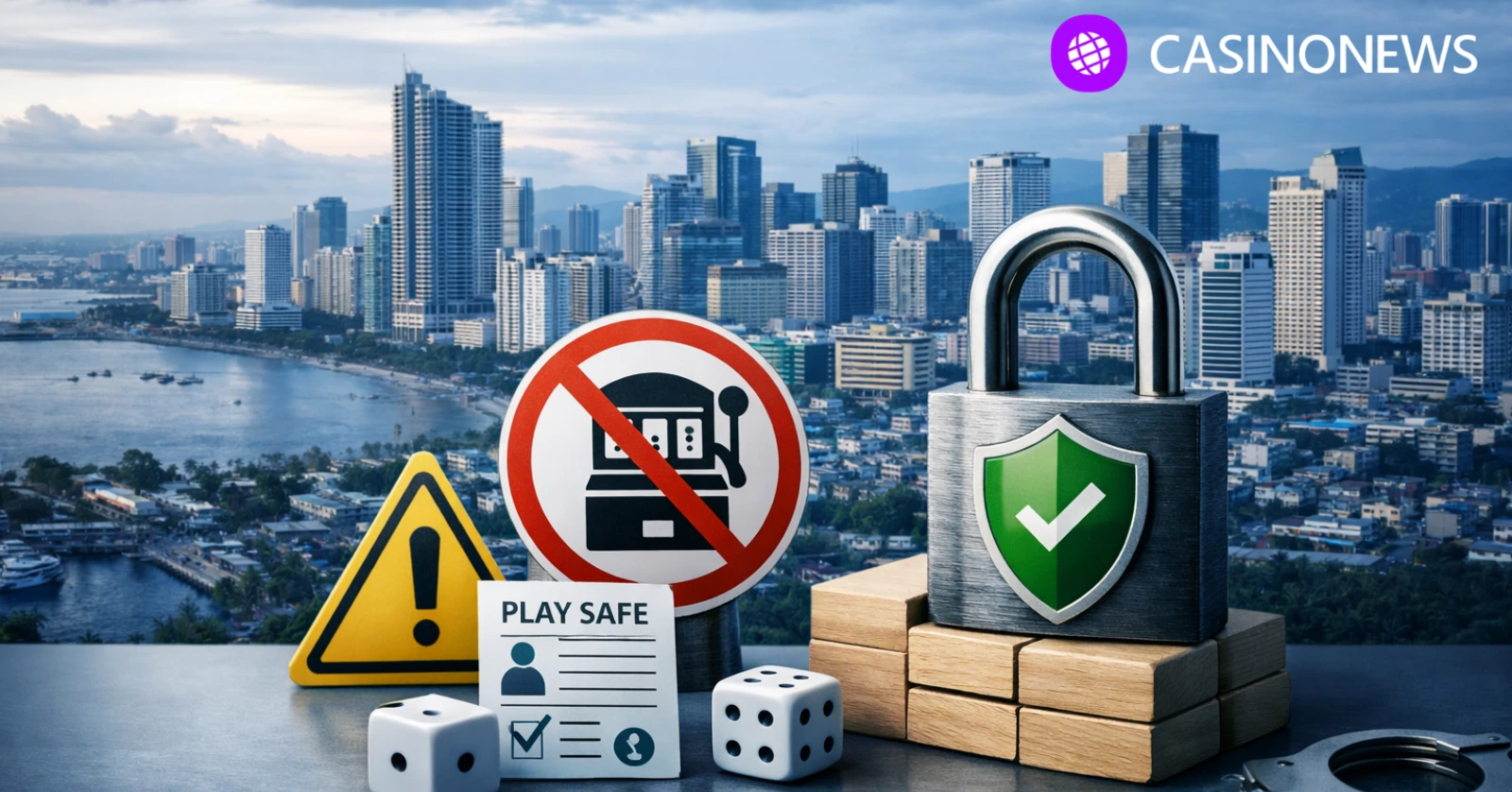
The Philippine Amusement and Gaming Corporation (PAGCOR), is set to strengthen regulations against its thriving gambling industry, officials have confirmed.
The authority could introduce more stringent player verification checks, a dedicated problem gambling helpline, stricter licensing conditions for operators, and even a potential blanket ban on gambling advertising.
Regulatory upgrades in the interests of the player, says minister
The news was relayed to a Senate Committee on Games and Amusement hearing on Wednesday by PAGCOR chief Alejandro Tengco, who told officials: “As digital gaming continues to grow, PAGCOR has implemented significant regulatory upgrades to protect players, promote transparency and ensure that online gaming operates within a secure and well-regulated environment,
Jessa Mariz Fernandez, of PAGCOR’s Electronic Gaming Licensing Department, added the agency was aiming to reduce the number of instances of players skirting mandatory player verification protocols by “tightening the rules”.
Gambling ads could be big casualty
Tengco is also weighing further restrictions on gambling advertising, including widening the scope of its existing broadcast limits. Commercials are already barred during peak evening hours, between 5:30 p.m. and 8:30 p.m., but Tengco said the regulator is now examining whether a full prohibition across television and radio may be feasible.
Some broadcasters have asked to retain gambling spots in off-peak time slots to protect advertising revenues. However, Tengco indicated that PAGCOR’s preference would be a complete ban if it proves legally and operationally viable.
The regulator has already tightened controls in 2025, directing operators to take down gambling billboards and advertisements displayed on public transport such as buses, taxis and trains. It also required the Advertising Standards Council to pre-screen gambling-related promotions online, while unlawful ads can be blocked through enforcement action by the Cybercrime Investigation and Coordinating Center and the National Telecommunications Commission.
Illegal gambling remains an issue in The Philippines, say PAGCOR
According to official data and government estimates, illegal gambling in the Philippines, particularly online, is widespread. PAGCOR has reported that more than 60% of online gambling sites accessed by Filipinos are illegal, meaning they are unlicensed and outside regulatory oversight.
These operate alongside thousands of other unregistered gaming platforms that authorities have moved to shut down, even as coordinated enforcement efforts helped cut reports of illegal online gambling links by about 93 % in the third quarter of 2025 compared with the prior quarter, highlighting both the scale of the problem and the intensity of the crackdown.
The prevalence of illicit gaming reflects challenges in policing digital operators and underscores why regulators are upping enforcement efforts and blocking more unlicensed services.
Gambling regulation in Philippines stretches back to the 70s
Government-regulated gambling in the Philippines dates back to 1977, when then-President Ferdinand Marcos created PAGCOR through Presidential Decree No. 1067-A to centralize oversight and generate revenue for national development projects.
PAGCOR was granted authority to operate and license casinos, becoming both regulator and operator, which is a structure that remains unique in Asia. Over the following decades, state-run casinos expanded across major cities, while the government also authorized lottery operations through the Philippine Charity Sweepstakes Office.
In the 2000s and 2010s, the Philippines emerged as a regional online gaming hub with the rise of Philippine Offshore Gaming Operators (POGOs), which catered primarily to foreign customers but later drew scrutiny over tax compliance, crime and regulatory oversight. Successive administrations tightened supervision of online gaming and stepped up enforcement against illegal operators, reflecting a longstanding balancing act between raising public revenue and curbing illicit gambling activity.
Whether PAGCOR ultimately proceeds with a blanket advertising ban or tighter digital safeguards, the direction of travel is clear: the regulator is preparing for a more restrictive era. Officials insist the measures are designed to future-proof oversight as online gaming expands and to reinforce public trust in a sector that has long walked a fine line between economic contribution and social risk.