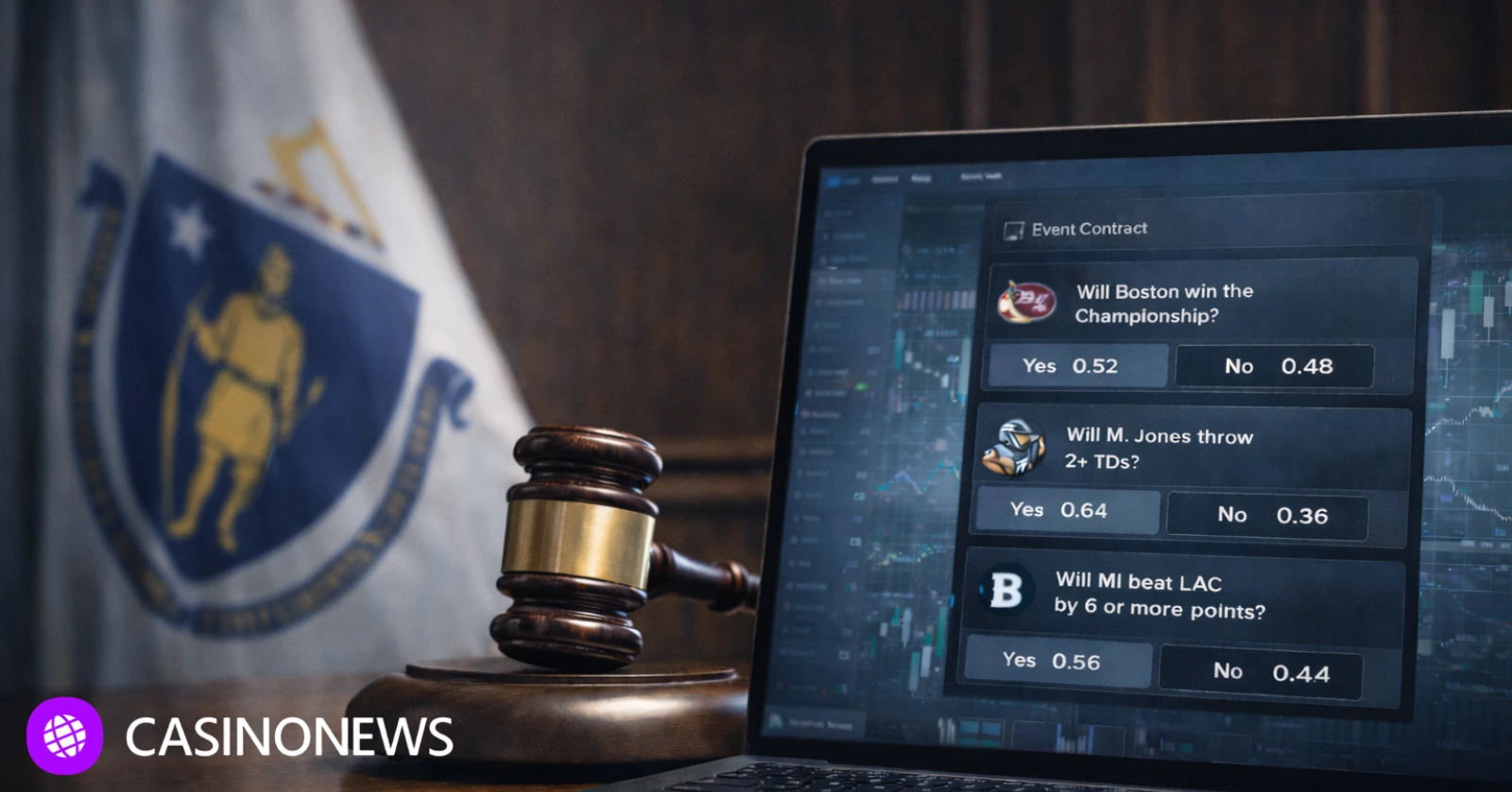
A pair of Democratic senators have introduced a bill that bans lawmakers from taking a trading position on prediction market sites, such as Kalshi and Polymarket.
Oregon’s Jeff Merkley and Minnesota’s Amy Klobuchar are behind the End Prediction Market Corruption Act, which would also restrict other executive branch officials from profiting on the platforms, with violations carrying fines of at least $10,000. The bill would also require offenders to repay any profits earned from such trades.
Bill comes after $500,000 trade on timing of Iran invasion
Prediction market platforms are coming under increasing pressure from elected officials in the light of some suspicious trades in the lead up to the war with Iran.
An anonymous trader on Polymarket reportedly earned more than $500,000 after betting that the United States would carry out a strike on the Persian country shortly before it occurred. Earlier in the year, another user made more than $400,000 betting on the removal of Venezuelan President Nicolás Maduro from power just hours before the U.S. operation that led to his capture.
In a statement shared with news outlet Al Jazeera, Kloubachar said: “At the same time that prediction markets have seen huge growth, we have seen increasing reports of misconduct. This legislation strengthens the Commodity Futures Trading Commission’s ability to go after bad actors and provides rules of the road to prevent those with confidential government or policy information from exploiting their access for financial gain.”
Senator Merkley added: “When public officials use non-public information to win a bet, you have the perfect recipe to undermine the public’s belief that government officials are working for the public good, not for their own personal profits,”
Kalshi offers its support to tackle insider trading
Their bill also has support from Public Citizen, Citizens for Responsibility and Ethics in Washington (CREW), and Project On Government Oversight (POGO).
In a statement, Janice Luong, Policy Associate POGO, said: “The American people deserve unwavering ethical standards from their government officials. Officials have a responsibility to avoid not only actual conflicts of interest but even the appearance of impropriety,
“POGO is pleased to endorse the End Prediction Market Corruption Act, which will further prohibit covered government officials from exploiting nonpublic information for personal gain in prediction markets.”
The move has been well received by the prediction market sector. Many within the business have acknowledged the issues companies face in policing insider trading. Last month, Kalshi banned and fined a MrBeast show editor $20,000 after detecting suspiciously accurate trades linked to insider information. The case was reported to federal regulators.
In a statement to Al Jazeera, a spokesperson for Kalshi said: “We support Congress and regulators taking action to police insider trading, and keep prediction markets onshore and under federal regulation,
“In the past few months, we’ve had outreach from policymakers from both sides of the aisle about work they’re doing to ensure market integrity, and we’re in talks with many of them, including Senator Merkley.”
New coalition calls prediction market “gambling”
Governors pushing to shift oversight of prediction markets from federal regulators to state authorities received support Thursday after former Trump administration official Mick Mulvaney criticized the industry. In an interview with CNBC, the former White House chief of staff described the rapidly expanding sector as “just gambling.” Mulvaney now leads the coalition Gambling Is Not Investing, which opposes labeling event wagering as financial trading.
Mulvaney, a former South Carolina Republican who also led the Consumer Financial Protection Bureau, said prediction markets tied to sports or real-world events resemble traditional betting and should be regulated by states. He argued that while the Commodity Futures Trading Commission (CFTC) oversees financial derivatives, sports-style wagers fall outside its core mandate.
Lawmakers in Washington have also raised concerns. Chris Murphy said he is preparing legislation to curb prediction markets, warning insiders could exploit advanced knowledge of government decisions. Alexandria Ocasio-Cortez has similarly cautioned that officials with influence over events could use such markets to reward allies.
Mulvaney declined to disclose who funds the coalition. Some prediction market companies argue the campaign could benefit traditional gambling operators if platforms like Kalshi and Polymarket were forced into state gambling frameworks. Mulvaney said the group is not legally required to reveal its backers as debate over how to classify the markets intensifies.