Meta Platforms is under fire from UK gambling regulators for allegedly allowing unlicensed gambling operators to advertise to millions of users, potentially putting vulnerable players at risk.
Black market sites are appearing on platforms such as Instagram and Facebook, according to executive director of the UKGC Tim Miller, and accepting payments from them as though they are legitimate businesses.
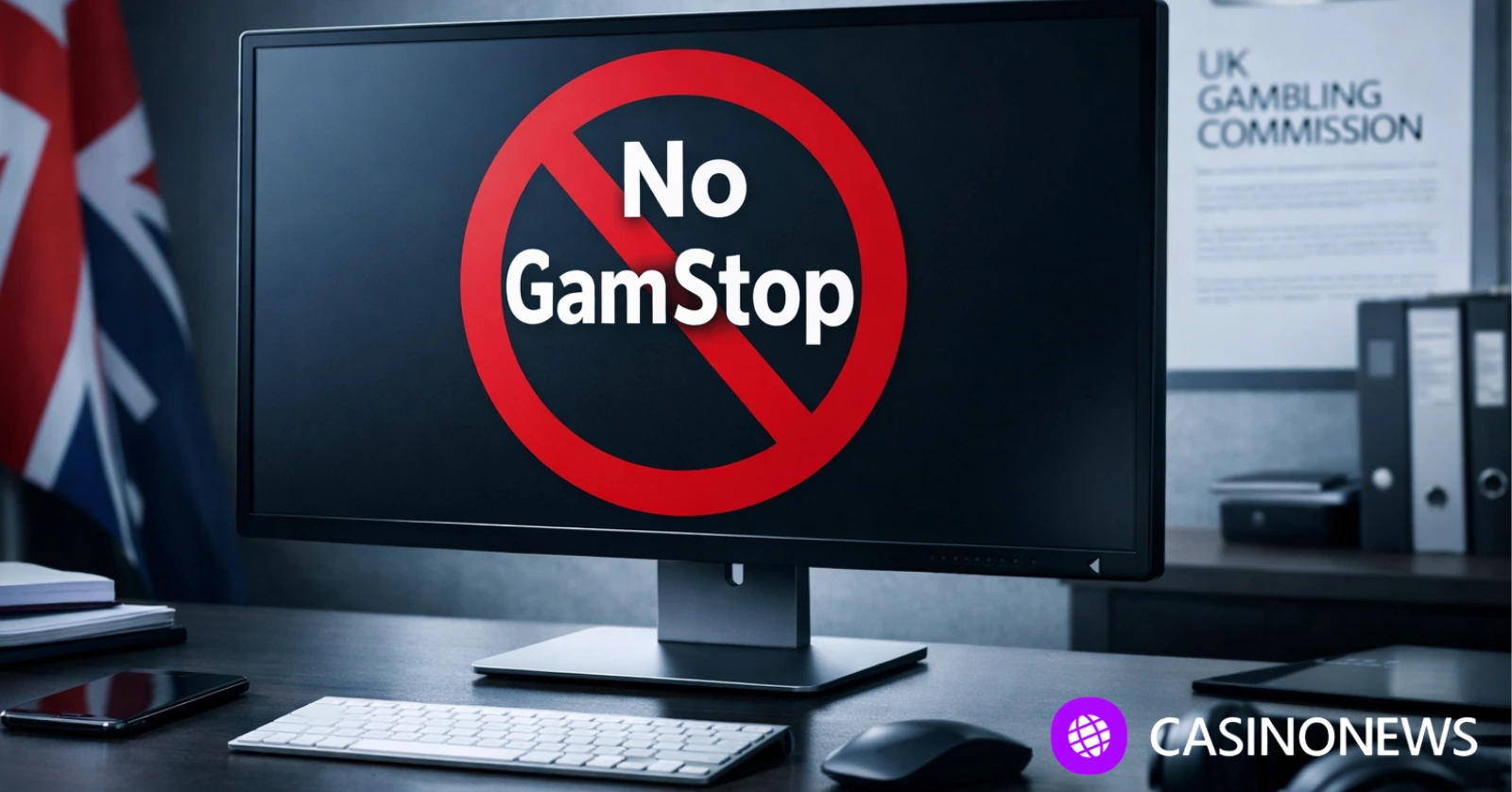
Companies not participating in UKGC’s GamStop campaign
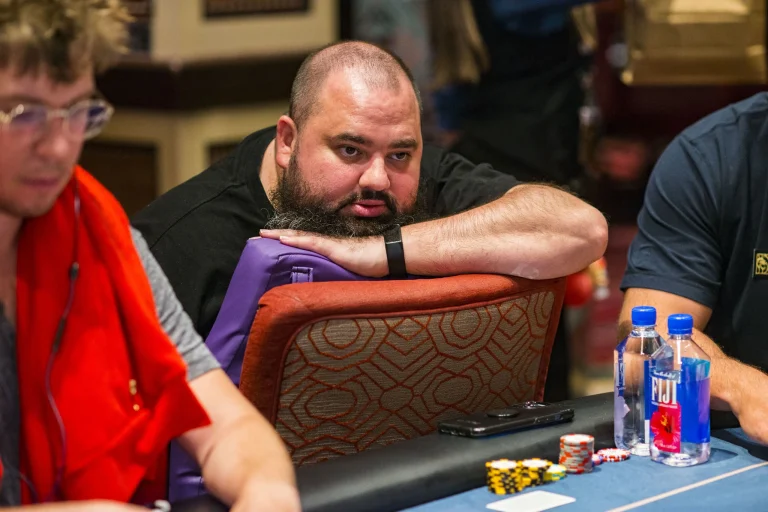
Speaking at ICE, a world-leading trade show for the gaming and betting industry held in Barcelona, Miller rebuffed claims from Meta that they were not made aware of such ads until they were notified.
He said: “It is simply false. It could leave you with the impression they are quite happy to turn a blind eye and continue taking money from criminals and scammers until someone shouts about it,”
Miller added Meta’s own search library would show platforms advertising that they were not on GamStop, commenting: “if we can find them, so can they.”
When some gambling sites advertise that they are “not on GamStop,” it’s essentially a marketing tactic aimed at players who want to circumvent self-exclusion tools or restrictions. Such sites tend to carry significant risks, including less consumer protection, higher chances of users developing problem gambling, and unclear licensing.
Meta denies knowledge of ads
Responding to Miller’s claims, Meta claimed it always enforces strict advertising policies and any ads that violated those policies were immediately removed once identified.
A spokesperson for Meta said: “We’ve been working closely with the Commission to identify and remove all the flagged ads found in violation of our policies, and we’re using this intelligence to further improve the proactive detection tools we already have in place.
“We would encourage the Commission to continue to collaborate with us to ensure users and legitimate advertisers are protected from these bad actors.”
Meta Platforms Inc., the parent company of Facebook, Instagram and WhatsApp, is one of the world’s most valuable technology companies, with a market capitalisation of about $1.56 trillion as of early 2026. Despite its mammoth valuation, the company has faced up to some legal issues of late.
GamStop a crucial tool to help curb gambling addiction
GamStop is the national self-exclusion programme for online gambling in the UK, allowing individuals to block themselves from all UK-licensed betting and gaming sites for a chosen period.
It is designed to help those struggling with gambling addiction regain control and prevent further harm. Regulators and public health experts consider it a key tool in promoting safer gambling, as it provides a centralised, enforceable way for players to restrict access and limit exposure to gambling advertising.
The importance of GamStop has grown as online gambling expands, with authorities warning that operators who ignore the system or advertise around it can increase the risk of problem gambling and expose vulnerable users to unregulated services.
An October study estimates about 1.4 million British adults are experiencing problem gambling. According to the latest UKGC survey, roughly 2.7 % of adults scored at the highest severity on the Problem Gambling Severity Index, a widely used measure of harmful gambling behaviour, which researchers extrapolated to a national total of around 1.4 million people dealing with significant gambling problems.
The study also found that rates are higher in deprived areas and among frequent gamblers. The Betting & Gaming Council (BGC), the UK’s main gambling industry lobby group, countered the results of the survey.
A spokesperson said: “More than 22 million adults in Britain enjoy a bet each month and as the Gambling Commission today shows, the vast majority of people do so safely.”
UKGC accusations come at sensitive time for Meta
In November last year, the Tech monolith was ordered by a Spanish court to pay $550 million to Spanish tech companies for unfair competition practices and infringing European Union data protection regulation.
A total of 87 companies will receive the compensation. The company will appeal the decision, stating last year: “This is a baseless claim that lacks any evidence of alleged harm and wilfully ignores how the online advertising industry works.
“Meta complies with all applicable laws and has provided clear choices, transparent information and given users a range of tools to control their experience on our services.”
Last year, the European Commission hit Meta with a nearly €800 million fine, citing the company for linking its online classified ads service, Facebook Marketplace, to its social network, Facebook, and for imposing unfair trading conditions on other online classifieds providers.