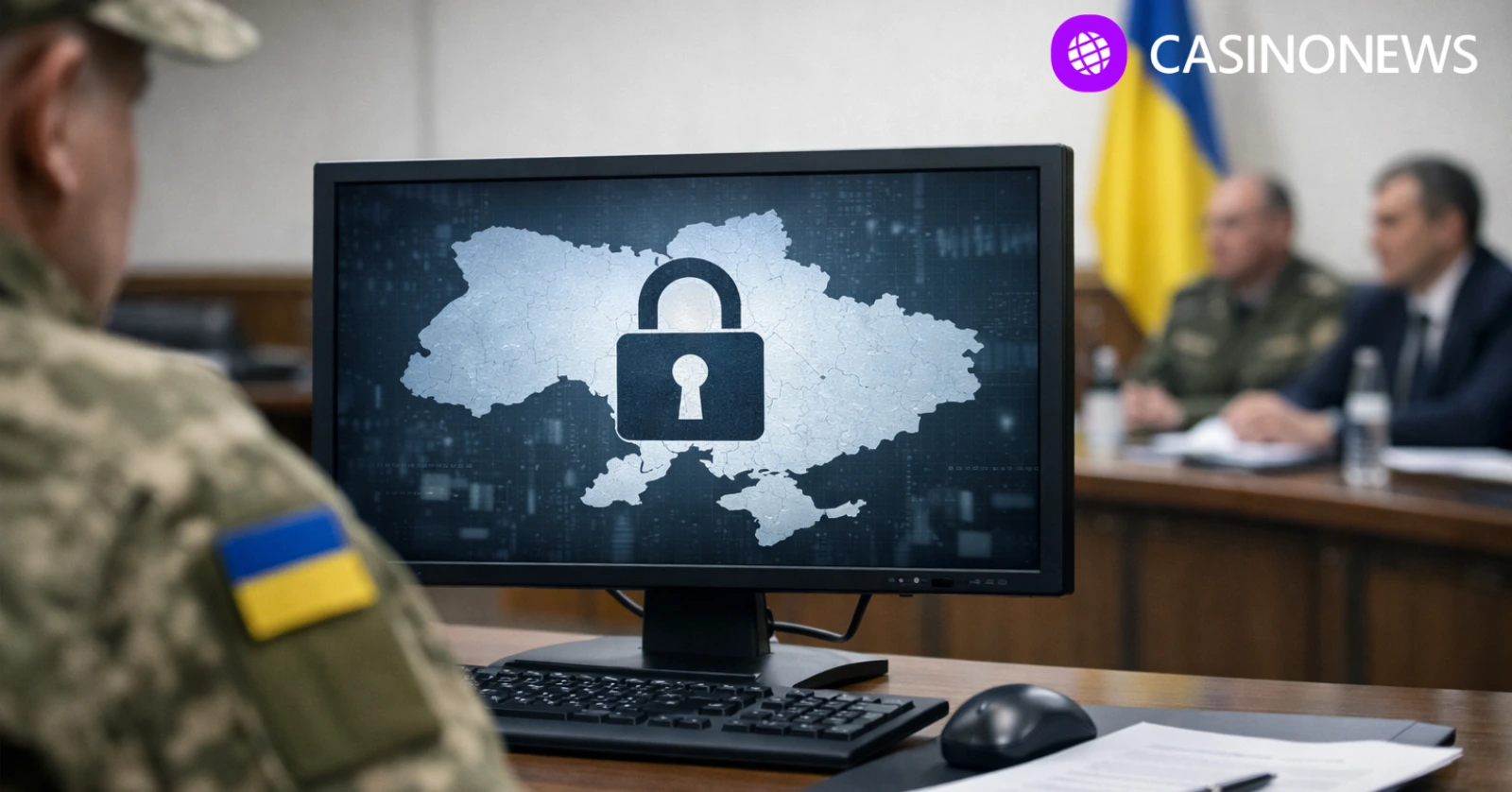
The Ukrainian government is taking steps to curb the issue of gambling addiction within the military by banning all personnel from access to platforms while the country is under martial law.
The plans come from the Ministries of Digital Transformation and Defence and have been formulated with a view to protecting soldiers and their families from the “consequences of gambling addiction.”
Military status to be hidden, stress ministry
Ukraine will introduce a verification system requiring online gambling platforms to check users against national exclusion lists and a database of active military personnel, officials said. Anyone identified in either category will be denied access.
Authorities emphasized that operators will receive only a simple confirmation of whether access is permitted, without any details explaining the restriction or revealing personal information. The approach is designed to protect user privacy and reduce the risk of data exposure.
The system will be rolled out by PlayCity, the government body overseeing gambling regulation. PlayCity is Ukraine’s state gambling regulator, created in 2025 to replace the previous oversight body and tighten control of the sector. It is responsible for licensing operators, enforcing compliance, and deploying digital monitoring tools to track activity and protect players.
The new military order is just the latest of several moves by the body to oversee the gambling sector, though some experts are arguing the military ban is an example of overreach.
Ukraine’s self exclusion program well underway
One of PlayCity’s most important projects was the roll-out of a new self exclusion scheme, which came about in the new year.
The upgraded national self-exclusion register was tentatively launched in January 2026, and was positioned by PlayCity as a practical compliance tool rather than the symbolic safeguard of recent years. The current list includes about 12,000 individuals, with the updated version in final testing and designed to be more user-friendly for operators.
The registry functions as a national “do-not-gamble” list, covering voluntary exclusions, court-imposed bans and requests from relatives. It will not be public due to personal data concerns, with access restricted to licensed operators, who must integrate it into onboarding and account controls to block restricted users in real time.
PlayCity is also focusing on adoption, aiming to streamline application processes and raise public awareness of the register. The rollout forms part of a broader shift toward digital, enforcement-led regulation, with operators expected to update systems and processes ahead of launch as compliance becomes a core licensing requirement.
PlayCity withdraws licence from lottery operator
Elsewhere in the country, PlayCity withdrew its licence from Patriot, one of three lottery operators in Ukraine. The authority came to the decision after the State Bureau of Investigation reported that the company’s ultimate beneficial owner failed to meet statutory requirements. The decision removes the operator from the regulated market pending any appeal.
Confirming the sanction on its Telegram, PlayCity said: “When licensing lottery operators and gaming organizers, we consistently involve law enforcement agencies in a comprehensive check of companies and their connections.
“In the Patriot case, the information provided by the State Bureau of Investigation to PlayCity became the basis for revoking the license. The decision was implemented because the ultimate beneficial owner did not meet the legal requirements.”
The operator, active since the late 1990s, is owned by a UK-based entity, with Andriy Matyukha listed as its beneficial owner. He has faced past scrutiny, including earlier sanctions, while lawmakers have alleged he holds a Russian passport, an accusation he has denied. The issue is sensitive in Ukraine because of the country’s ongoing conflict with Russia, where any alleged ties to Russian citizenship can raise national security and political concerns
Authorities said unsold tickets must be destroyed, though the company can challenge the ruling through regulators or the courts. The move comes shortly after the firm was awarded a license under updated rules and paid required fees to the state.
Despite sanctions, lottery licenses bring in millions, PlayCity says
Before Patriot’s license was revoked, Ukraine says it has generated more than €72 million in licensing fees within months of launching a new lottery system, marking an early financial boost from the regulatory overhaul. Officials said the revenue has already been directed into the state budget.
The funds came from three licensed operators, the MSL, Patriot and the Ukrainian National Lottery, each paying €24.2 million after securing approval when the application window closed in January.
Under the new framework, operators must comply with strict conditions, including electronic reporting, real-time monitoring of transactions and QR-coded tickets. Authorities say further legal changes are in preparation to strengthen control and modernize the market.