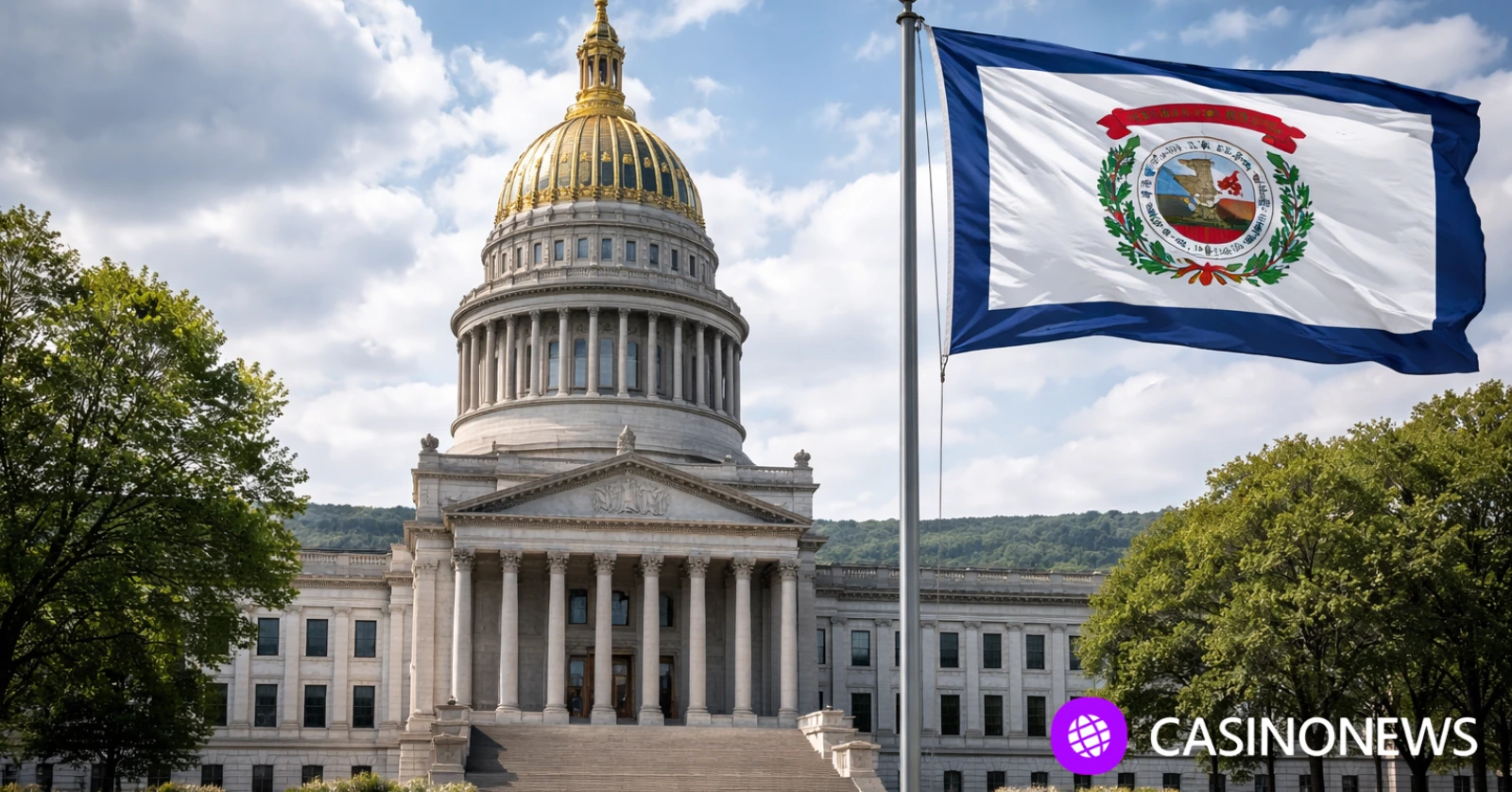
A delegate from West Virginia is aiming to increase the gambling tax on online sportsbooks from 10% to 25%. Adam Burkhammer, who has been in office since 2020, has introduced House Bill 4398 and House Bill 4397 to the Legislature, with both now in front of the House Local Government Committee for consideration.
The iGaming rate would also be raised from 15% to 25%. It would bring West Virginia in line with other states that provide legal online betting. Currently, it is one of the lowest states in the country for taxes raised from betting.
West Virginia bills treading in the footsteps of other states
The Mountain State’s proposed tax hikes mirror moves already taken by several other U.S. states seeking to capture more revenue from the rapidly growing online sports betting and iGaming markets.
New Jersey attempted to raise taxesthe gambling tax up to 25% in 2025, before settling on 19.5% in a compromise with sportsbooks and online casino operators.
Last year, several states raised sports betting taxes. Illinois adopted a progressive tax structure that charges an additional per‑wager fee on top of higher gross revenue rates, while Maryland increased its tax on sports betting revenue from 15% to 20% as part of its budget plan.
Louisiana raised its rate from 15% to 21.5% and Ohio doubled its tax from 10% to 20% shortly after launching its regulated market, though a proposed 2025 increase was rejected. In 2026, other states are considering hikes, including a Massachusetts bill that would raise the sportsbook tax from 20% to 51%, potentially making it the highest in the country.
If successful in raising taxes to 25%, the state would join jurisdictions such as New York and Pennsylvania, which have already set higher tax rates to fund public services and infrastructure. The bills reflect a broader trend of states reassessing their online gambling frameworks to balance industry growth with public revenue needs.
Attorney General on warpath against unregulated and untaxed operators
The move from Rep. Burkhammer will have the blessing of state AG JB McCuskey, who is on a sustained campaign to remove a large portion of illicit businesses from circulation.
The Republican lawmaker issued more than 50 subpoenas to a number of gaming operators last July, including the likes of McLuck, Legendz, and Modo.
In a statement last year, McCuskey said: “We have serious concerns about West Virginia consumers, specifically our children, being targeted by illegal gambling operations.
“From day one, my priority has been to protect consumers and ensure our children are not being exposed to these operations or their advertising – while at the same time supporting those which are licensed and operating within the confines of the law. At this time, we cannot comment on specific cases or provide any further details.”
Despite low tax rate, gambling tax receipts are up in West Virginia
The most recent tax report on gambling in the state of West Virginia shows a year-on-year increase in revenue from sports betting receipts. According to figures from RG, the state smashed the 2024 record of $65,866.101 in 2025.
Based on those numbers, a tax rise on operator revenue in line with other states could see state coffers dramatically increase.
In West Virginia, gambling tax revenue is primarily directed to the State General Fund, supporting education, public safety, and infrastructure, while a portion is allocated to local governments in counties where casinos operate.
Sports betting taxes go into the state’s Sports Wagering Fund, with some funds earmarked for education and county programs. Additionally, part of the revenue supports problem gambling awareness and treatment programs, and a small share covers lottery and gambling oversight costs.
Looking ahead for West Virginia gambling
Raising taxes on sportsbooks and iGaming would position West Virginia alongside higher-tax states like New York and Pennsylvania, while boosting funding for education, public safety, and local programs. It could also help further legitimise the industry, rewarding licensed operators and discouraging unregulated activity.
As lawmakers weigh the proposals, the state faces a chance to capture more revenue from a growing market while maintaining protections for consumers and communities.
Still, tests remain for the West Virginia state government. The popularity of prediction markets is surging. Most prediction operators assert they are financial trading platforms regulated by the Commodity Futures Trading Commission (CFTC) under federal law, not state gambling agencies, meaning they avoid the same taxes sports betting companies must bear.
For now, all eyes fall on the legislature and wait for the debate on gambling taxes.