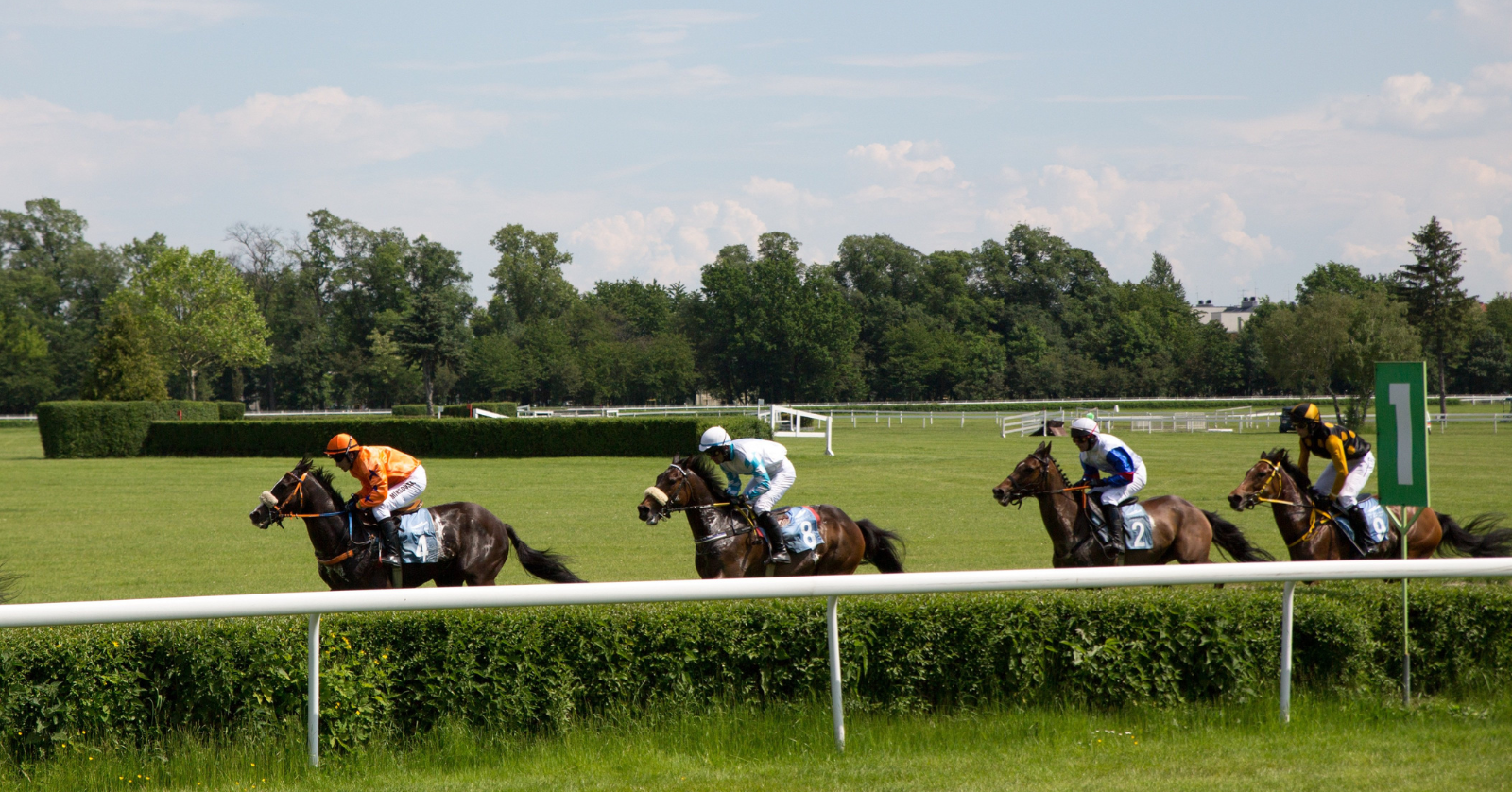
Industry leaders are once again sounding the alarm bells about the future of British horse racing, pointing to structural issues and the growing spectre of illegal, unregulated sportsbooks.
One expert, former Chief Strategy Officer of evoke Vaughan Lewis, warned the black market has never been more attractive to punters than it is at this point. The concerns come as the betting sector continues to adjust in the aftermath of the Labour Party budget in November last year and the resignation of the British Horseracing Authority (BHA) Chair this month.
Comprehensive analysis required for industry changes, Lewis claims
Speaking at Deal Me Out’s Illegal Gambling Prevention Summit in Manchester, Lewis lamented the amount of obstacles the industry has had to navigate and called for more tact for any future changes to the regulatory landscape.
He said: “If we were to think of a scenario where we could make the black market more attractive, I’d struggle to come up with much more that we could do.
“All of these sweeping changes over the last five years have just made a huge difference to the industry, including affordability, banning credit cards, limits on VIPs, limits on auto spins and now the tax changes.
“There has to be a proper evaluation and assessment, and if the impact of these has been wrong, then it has to be addressed and reversed.”
Sponsorship withdrawals and the removal of some racing markets is also having a negative effect on the sector and Simon French, Director of Orange County Services, believes the sport is between a rock and a hard place.
Speaking at the same event, he said: “If you’re a punter, all you care about is getting paid, you don’t worry about anything else. I was chatting to a taxi driver on my way to the station this morning and he had no idea of the difference between regulated, licensed sites and unregulated, unlicensed sites.
“There’s this idea that someone’s going to scroll through a website to try and find a kite mark to tell them that they’re betting with somebody who’s licensed and regulated. Well, all that means is you’re not going to get your bet on, and it’s going to take longer to get paid if you get your documents approved.
“So fundamentally, how does horse racing survive in that position?”
Comments come off back of clash between Horserace Betting Levy Board (HBLB) and UK government
That industry frustration appears close to bubbling over into anger after Gambling Minister Baroness Twycross confirmed the Horserace Betting Levy will remain unchanged. Speaking in the House of Commons, Labour Minister Ian Murray said the decision reflects the government’s view that racing remains a key contributor to the economy and sporting landscape.
The levy requires bookmakers earning more than £500,000 from bets on British racing to pay 10% of their annual gross profits. Collected by the HBLB, the funds support breeding, veterinary science and other services. Levy receipts reached £108 million in 2025, up from £105 million the previous year. There were hopes of a revision in the levy off the back of a tough few months for the industry.
Twycross cited broader gambling tax reforms as a key reason for maintaining the current rate. Chancellor Rachel Reeves announced that Remote Gaming Duty (RGD) will rise from 21% to 40% in April, while General Betting Duty (GBD) will increase from 15% to 25% in 2027. However, British horse racing will remain exempt from the latter increase and continue to benefit from the existing levy structure.
The minister also ruled out extending the levy to international racing, keeping its scope limited to bets on British events. The government said the current system, combined with commercial opportunities, provides a sustainable relationship between betting and racing. “The Government is steadfast in its support for racing,” Twycross said, adding it would continue working with stakeholders to improve governance, fixtures and horse welfare.
The BHA does not agree. Chief Executive Brant Dunshea said: ““In its pre-Budget advice to the Treasury, the DCMS also warned that ‘unless a carve-out for racing was accompanied by an increase in the Horserace Betting Levy…racing would be unlikely to feel any benefit.’
“Today’s WMS leaves unexplained why, only a few months after the Budget, the DCMS now believes there is no need to change the Levy rate.”
Ultimately, the BHA believes the decision fails to address a growing financial imbalance the racing industry is confronting.
Resignation of BHA Chair leading to civil war in the sport, reports say
Meanwhile, Britain’s horse racing industry continues to operate amidst a fractious dispute that saw Charles Allen resign as chair of the BHA after just six months. The rancour revolves around a growing divide between bigger racecourses and smaller operations in the UK.
A coalition led by Jockey Club Racecourses, alongside Ascot, Newbury, York and Goodwood, had publicly backed Allen’s push for an independent BHA board. The group said reform was needed to make racing “a modern, commercial and cultural powerhouse,” and called for an urgent governance review of the Racecourse Association by April 2026.
At the heart of the conflict is a power struggle between Britain’s elite tracks and smaller courses, many owned by Arena Racing Company. Under the RCA’s “one-track, one-vote” system, smaller venues can outvote larger, higher-profile tracks. Major courses argue this leaves them underrepresented despite generating a significant share of the sport’s revenue and global profile.
However, the immediate trigger for Allen’s exit was a dispute over race-day data rights, a key commercial asset sold to betting operators. Smaller tracks, led by ARC, withheld support for governance reform until they received guarantees that data fees would not rise after 2028. When Allen conceded, he lost backing from other stakeholders, including owners, trainers and jockeys, effectively ending his tenure.
The standoff has hardened positions within the sport. Leading tracks have warned that unless voting and governance structures are rebalanced, they could consider breaking away from the RCA. Their statement said reforms must ensure “balanced and credible” representation and allow decisive action on industry-wide issues.
Announcing his departure at the start of the month, Allen said: “Horse racing is an amazing sport with great potential and over the last year I have met some incredibly passionate people who love the sport and who believe to survive and prosper that change is needed. I also want to pay tribute to the hardworking and dedicated BHA team. I wish the sport well for the future.”
Whether the sport meds those splits, remains to be seen.