
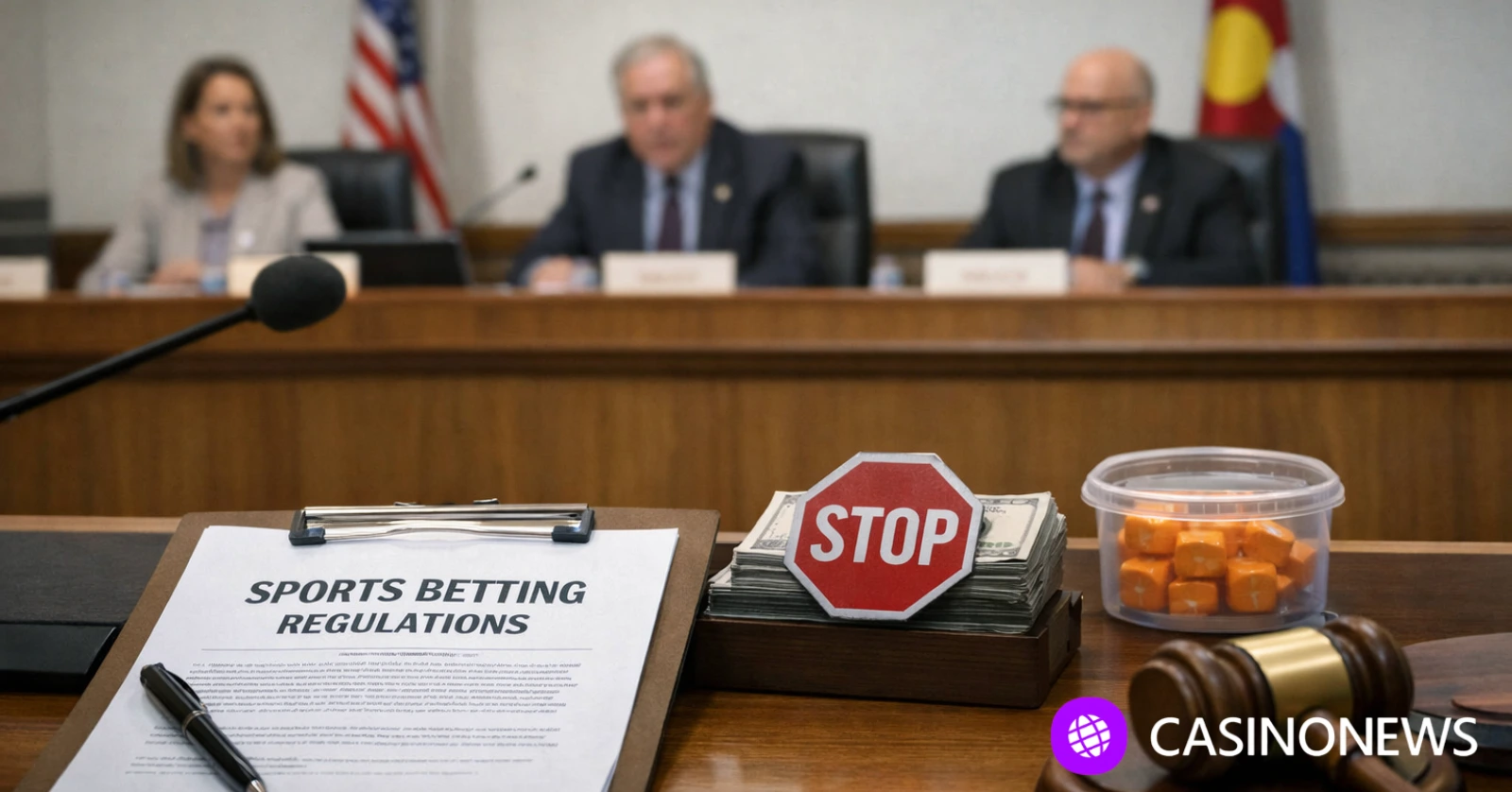
A bill to impose new restrictions on the sports betting sector in Colorado narrowly passed the senate this week, with concerns about an epidemic of youth gambling addiction at the center of concerns.
Senate Bill 131, a bipartisan proposal introduced on February 25, cleared the Senate Finance Committee by a narrow 5–4 margin following extensive discussion. Key provisions of the legislation would cap users at five deposits per day to discourage excessive credit card use, while also outlawing prop bets.
Bill to rein in betting advertisements
The proposal would also bar sportsbooks from contacting users through text messages or app alerts, cutting off a major channel used to prompt continued betting. It will introduce tighter controls on how gambling is promoted, including limits on the wording and tone of advertisements to reduce their appeal and potential to mislead consumers.
Similar efforts are emerging elsewhere. In the United Kingdom, regulators have cracked down on “free bet” promotions and celebrity endorsements that may attract younger audiences. Australia has moved to restrict gambling ads during live sports broadcasts, particularly at times when children are likely to be watching. Meanwhile, several U.S. states, including New York and Ohio, have issued fines or new guidance targeting aggressive marketing tactics, such as bonus-heavy messaging and ads that downplay the risks of betting.
Sports betting in Colorado was legalized after voters narrowly approved a 2019 ballot measure, paving the way for regulated wagering both in casinos and online. The market officially launched in May 2020, even as the COVID-19 pandemic shuttered many retail locations, accelerating the shift toward mobile betting platforms.
Since then, Colorado has developed one of the more competitive betting markets in the United States, with numerous operators entering the state and tax revenue directed in part toward water conservation projects. Lawmakers have periodically revisited the rules, weighing consumer protections and responsible gambling measures as participation has grown.
Lawmakers laud “common sense” proposals
The bill was co-sponsored by Senators Matt Ball (D-Denver) and Byron Pelton (R-Sterling), with the former calling it a common sense approach to legalizing the practice.
He said: “This bill is to put common sense guardrails on online sports betting. At this point, online sports betting, for a lot of people, is the same as having a casino in your pocket. And that is leading to a huge spike in gambling addiction.”
He added that the proposal will not alter the betting patterns of established and experienced sports betting customers in the state who have no such issues with sports gambling addiction.
“”I’ve been the commissioner of a fantasy baseball league for 15 years. We’re not getting in the way of legal sports betting that’s practiced between friends. What this bill is doing is with the deposit limit is saying you can’t continue to make deposits and chase your losses more than five times in a 24-hour time period. You could still put in 500 bucks and then go make as many bets as you want any given Sunday.”
Some lawmakers voice opposition to Senate Bill 131
State Senator Janice Marchman ended up voting against the legislation, citing a lack of democratic principles in relation to the banning of prop bets under the bill.
Regulators and some legislators argue these bets are more closely tied to problem gambling because they offer rapid, repeat opportunities to place wagers within a single game. There are also integrity concerns, since prop bets on individual player actions or minor in-game moments can be more vulnerable to manipulation.
However, Marchman argued lawmakers should go back to the ballot box to consult voters before removing it as a betting market. She said: “If we want to take prop bets out, we owe it to the voters to go back to them and ask them to take prop bets out”
Betting operators criticize legislation
Representatives from betting behemoths such as FanDuel and DraftKings testified against the bill on Tuesday, arguing that it will drive customers into the arms of black market operators.
Jennifer Anderson, Director of Government Affairs at FanDuel, said: “Preventing unauthorized access to our platform, particularly by underage users, is central to our mission,” before adding that the company puts lots of money into programs, research, policies and partnerships to promote safe gambling.
Stanton Dodge, Chief Legal Officer of DraftKings, added: ““At a time where Colorado faces an $850 million structural budget deficit and no replacement revenue source, we do not believe now is the time to divert revenue to illegal, unregulated markets.”
The bill now advances to the next stage of the legislative process, where it is expected to face continued scrutiny from both industry stakeholders and lawmakers divided over how far regulation should go. Supporters argue the measures strike a necessary balance between preserving a legal betting market and addressing the social costs that have accompanied its rapid expansion, particularly among younger users.
As the debate continues, Colorado finds itself at the forefront of a broader national reckoning over online gambling. Whether Senate Bill 131 ultimately becomes law or is reshaped through further negotiations, its progress underscores a growing willingness among policymakers to revisit the rules of a still-maturing industry, and to impose tighter safeguards as betting becomes ever more accessible.