Lawmakers in Nevada are pressing ahead with discussions on amending a law that has targeted gamblers in the state and around the rest of the country for additional tax revenue. The Big Beautiful Bill, signed into law over the summer of 2025, will require players to deduct 90% of their gambling losses from their winnings for tax purposes. Previously, they were able to deduct 100% of their losses.
In the House Of Representatives, Rep. Dina Titus, D-Nevada has introduced a FAIR BET bill, which will reverse the recent tax change, restoring the previous 100% deduction. She recently remarked on how popular her bill is, telling The Indy: “Turns out, we got a million responses to our tweet when we put it out there, more than I’ve ever gotten for anything.”
In the upper chamber, Sens. Catherine Cortez Masto, D-Nevada, and Jacky Rosen, D-Nevada have introduced the bipartisan FULL HOUSE bill, which would generate the same result as the Titus suggestion. Cortez Masto spokesperson Lea Hohenlohe told The Nevada Independent: “The Republicans’ tax on gamblers is ridiculous and will be bad for Nevada’s economy.”
The new bill will, in practice, target players for the wrong reasons, opponents argue. For example, someone who wins $100,000 over the course of a year but also loses $100,000 would previously have reported zero taxable gambling income after deducting all losses. Under the new rule, only $90,000 of those losses could be deducted, leaving $10,000 classified as taxable income despite the player breaking even overall. At a 24% federal tax rate, that would result in a $2,400 tax bill on money the gambler did not actually keep.
Poker players at forefront of push to change law
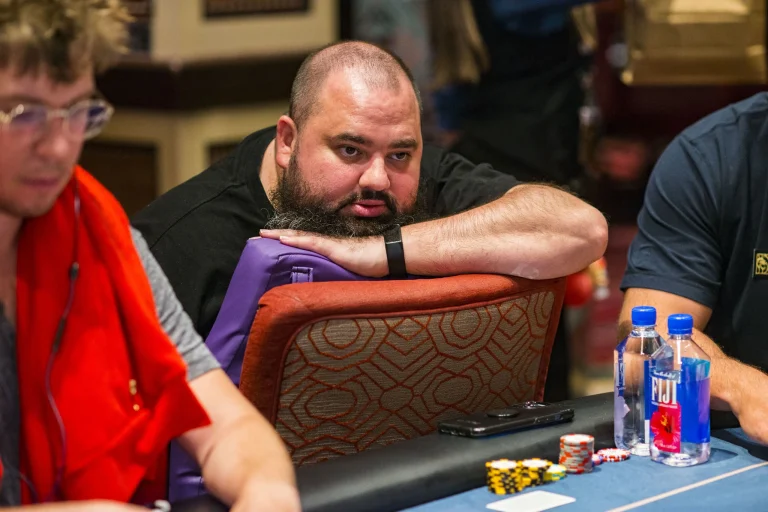
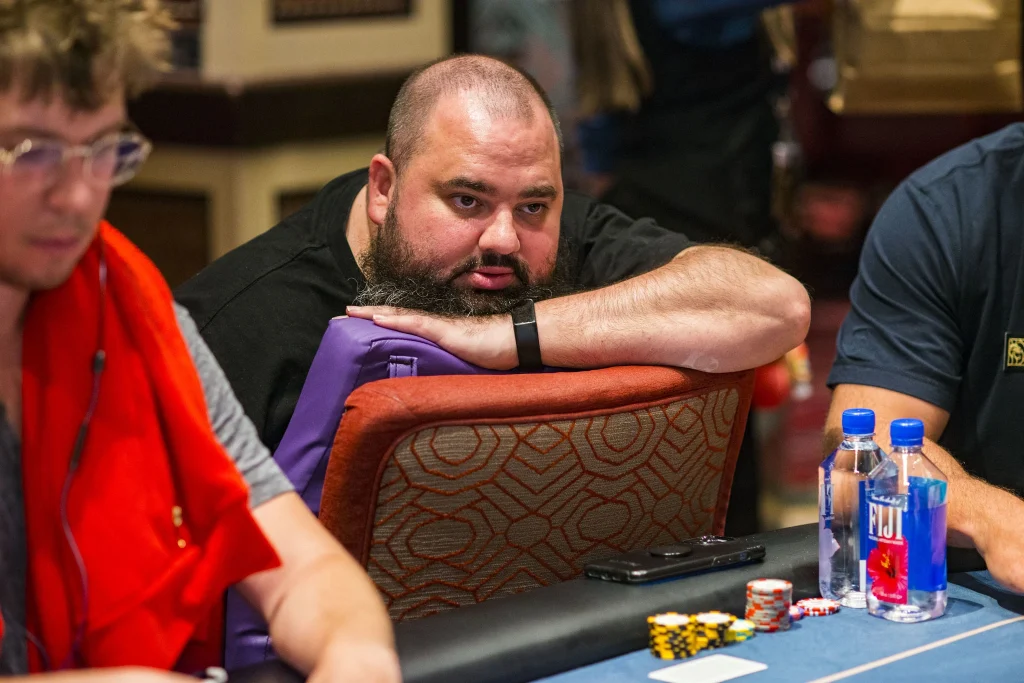
The bill has been met with mass derision from the poker industry. Hall of Fame poker pro Erik Seidel publicly said the new tax rule could force him toward semi-retirement, telling the Nevada Independent this week: “Next year I am kind of forced into retirement. Everyone who I’ve spoken to plans on either cutting back or stopping.”
Earlier in the year, poker professional content creator Doug Polk posted to Texas Representative Chip Roy on X: “Chip, I am in your district. There is a provision in the Senate version that will kill professional gambling. This will negatively impact THOUSANDS of Texans.” Meanwhile, fellow poker pro Phil Gafond warned it would be the end of an entire profession: “You can’t be a professional gambler in the U.S. if this goes through and that will have a ripple effect on industries that depend on professionals. This will impact all the players.”
There is widespread belief the bill will be amended. American Gaming Association CEO Bill Miller is hopeful the bill will be amended at some point in early 2026. In the Business of Betting podcast earlier this month: “The question is, ‘What are the vehicles to fix this?’ Trying to get this put back in and fixed is not the easiest trick. But I believe that we’re going to get it done.
Industry figureheads out of Las Vegas are already feeling the pinch. Circa Casino Resorts CEO Derek Stevens, whose organization operates three downtown Las Vegas properties and a sports betting business, said: “This could be fixed next year. The reality is that it needs to be done now. It’s already impacting wagering that goes into 2026.”
He added his own critical insight to AP News: “This is not good for the country, and it’s not good for the industry. It’s not good for tourism, it’s not good for hospitality, it’s not good for jobs. We know this is an inadvertent issue that is simply going to hurt everyone in the United States. It needs to get fixed and corrected soon.”
Proponents of the bill highlight potential tax windfall
While there is a general consensus the bill needs to be changed, some proponents argue the amount it will raise in tax revenue makes it a bitter pill worth swallowing. The Joint Committee on Taxationestimates the new limit will raise $1.1 billion in revenue over eight years. However, that analysis does not account for how people’s behavior may change now that this new policy is in place. For example, even a limited shift by professional bettors to offshore or unregulated markets would reduce tax revenue and expand illegal gambling activity.
Congress has taken its time getting to the issue, despite the bill having nearly no support either side of the aisle. No members have moved forward to claim responsibility for the amendment, though several outlets are pointing fingers at Finance Committee Chairman Sen. Mike Crapo, R-Idaho.
With bipartisan legislation now introduced in both chambers, industry leaders and lawmakers expect negotiations to intensify in the months ahead. Whether Congress acts before the deduction cap takes effect remains uncertain, but Nevada officials have made clear that pressure to revisit the rule is not fading. For a state whose economy is built on legal wagering, the stakes of inaction are increasingly difficult to ignore.