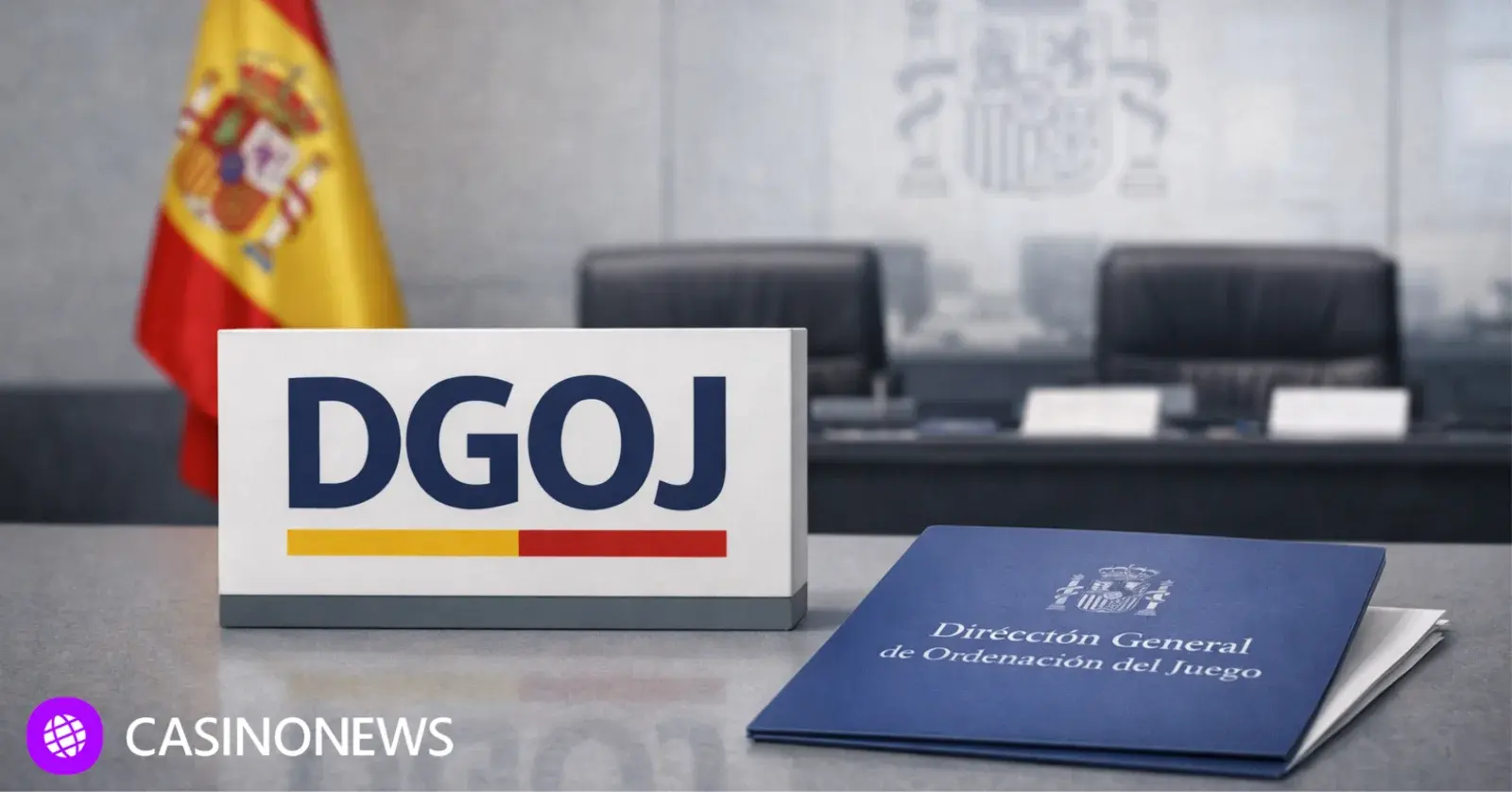
Spain’s gambling regulator has launched a new “Safe Gambling program” for 2026 to 2030, setting out a longer-term plan focused on consumer protection, prevention, and stronger safeguards for vulnerable groups.
The program was presented after the Advisory Council on Safe Gambling met in Madrid on March 17 and was announced by the Directorate General for the Regulation of Gambling, or DGOJ, on March 18.
Why is Spain updating its approach
Spain says the gambling market has changed since its initial responsible gambling program was introduced. The DGOJ points to changes in online participation, social media, artificial intelligence, and the need to protect younger and more vulnerable users.
Rather than introducing a single new restriction, the regulator is using this program as a five-year roadmap that can be updated as the sector evolves. The program does not stand alone and instead adds to Spain’s 2026 gambling compliance changes, which has already overhauled regulation and enforcement of consumer protection laws, advertising guidelines, and risk control measures.
Social media is now part of the debate
One of the clearest signals in the new program is that Spain wants to look more closely at how gambling is discussed and promoted on social media.
The DGOJ says it plans to study how these platforms shape behavior, especially among younger people, and how they influence public understanding of gambling risks. That shows Spain is looking beyond traditional regulation and paying closer attention to how gambling is presented to people online.
What does the program include?
The Safe Gambling program 2026-2030 is built around three priorities, six general objectives, and 24 specific measures. Those priorities cover research and diagnosis, prevention and promotion of safe gambling, and participant protection.
In practical terms, Spain is looking at more than awareness campaigns. The plan includes more research on gambling harm, closer study of risky behavior, and stronger use of scientific evidence when shaping future policy. For operators, the program does not create an immediate new penalty system or licensing condition on its own.
But it does show how Spain has shifted its attention to modern platforms and the influence they hold over younger users. This move reflects a broader regulatory trend where authorities are adapting to the evolving digital gambling landscape and addressing gaps that may expose consumers to higher risks.