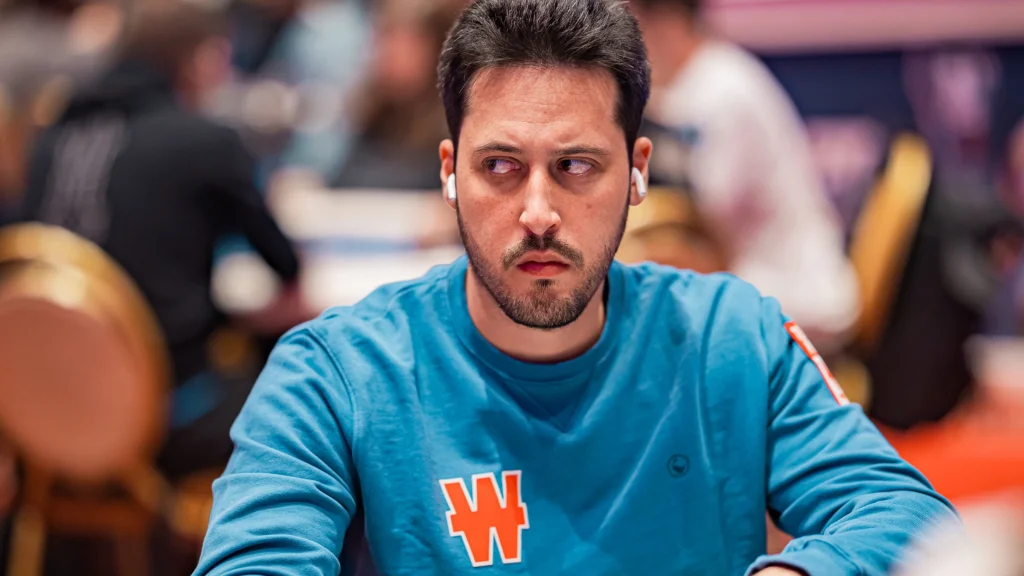
The Lodge Card Club in Round Rock has shut down indefinitely and laid off its staff after local prosecutors told the club’s lawyers they believe its business model does not comply with Texas law. The room has been closed since March 10, when the Texas Alcoholic Beverage Commission raided the property, seized evidence, and froze assets. No criminal charges had been filed as of March 24.
The closure hits one of the best-known poker clubs in Texas and one of the biggest private poker rooms in the state. The ownership group includes Doug Polk, Jason Levin, Jake Abdalla, and smaller investors such as Andrew Neeme and Brad Owen.
Prosecutors have made reopening harder
In an email to employees, Levin said the club would stay closed “for the foreseeable future” because reopening could trigger another raid, more asset seizures, and possible arrests. He said the decision was forced by the position taken by the Williamson County District Attorney’s office, even though the club maintains it operated lawfully.
That leaves The Lodge in limbo. Its assets remain frozen, the investigation is still open, and the club has no clear timeline for a return. Levin told staff the company would try to rehire them if operations resume, but for now there is no path back.
Texas poker rooms are back in the legal gray zone
Texas poker clubs have long operated in a narrow gap in state law. Texas law provides a defense for gambling in a private place where nobody receives an economic benefit other than personal winnings, and many clubs have tried to fit inside that framework by charging memberships or seat fees instead of taking rake.
Investigators in this case say The Lodge crossed that line. A search-warrant affidavit described suspected illegal gambling and money laundering, cited about $1.35 million in deposits during the first two months of 2025, and detailed multiple undercover visits in which agents played poker inside the club. That turns The Lodge case into more than a dispute over one room. It is now a direct test of whether Texas authorities are willing to take a harder line against the private-club poker model itself.