
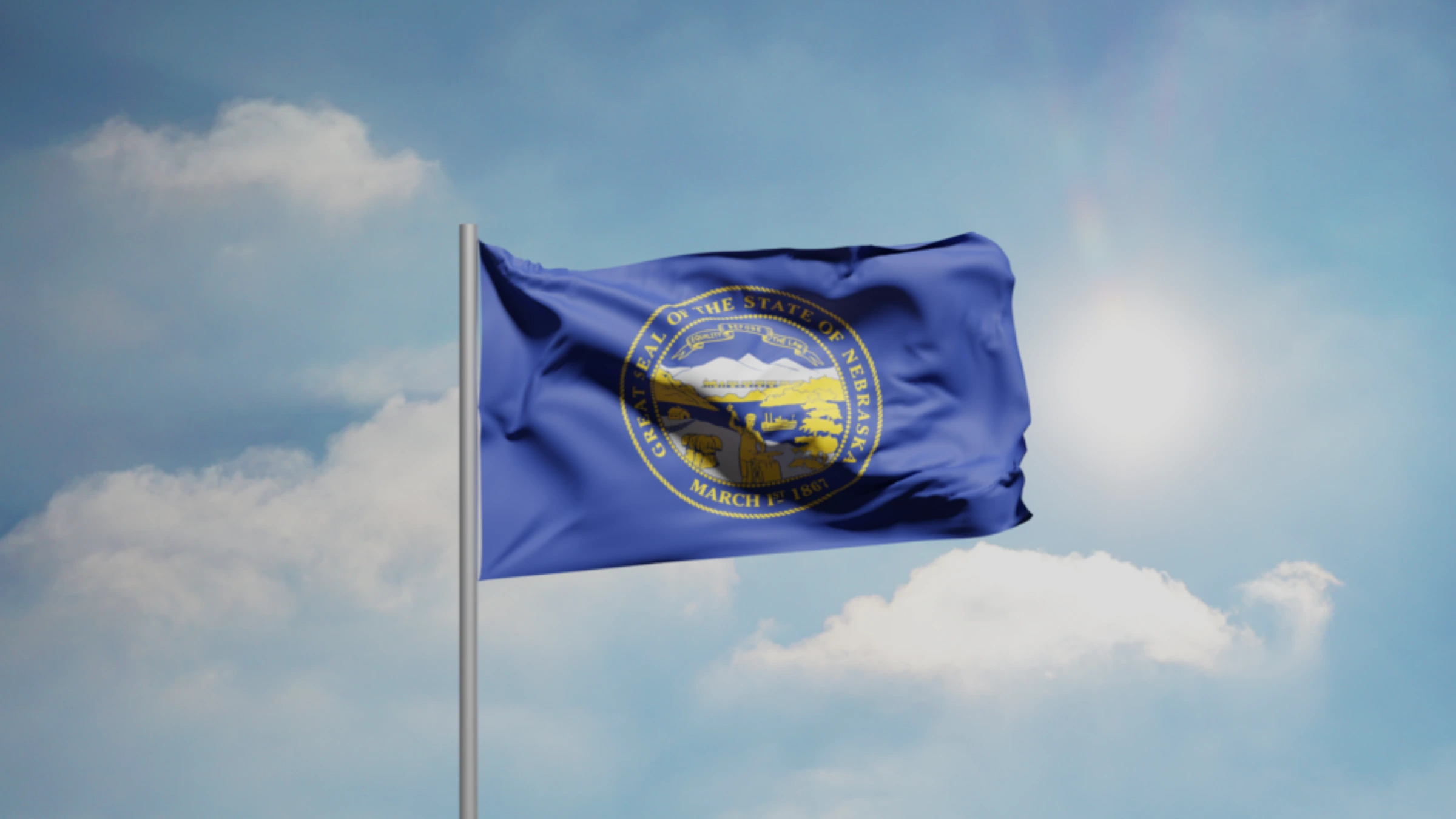
A new Nebraska study estimates that legal online sports betting could generate just under $87 million in state tax revenue over five years if voters approve the idea in 2026. The study was ordered by Tax Relief Nebraska and prepared by Eilers & Krejcik Gaming.
The estimate is now being used in the campaign to put online sports betting on the 2026 ballot. Backers of the proposal argue that the money could help the state budget and reduce the amount of gambling revenue now flowing to nearby states where online betting is already legal.
Most of the projected revenue would go to property tax relief
The study assumes that 70% of the projected tax revenue would be directed to property tax credits, using the same distribution model already applied to casino gambling in Nebraska. Under that assumption, about $61 million would go toward tax relief over the same five-year period.
That gives supporters a stronger case as they try to build public support. The campaign is not only about expanding betting access. It is also being presented as a way to bring in new revenue for property tax relief.
Opponents argue the financial impact would still be small
Not everyone accepts the value of the estimate. Opponents argue that even if the forecast is correct, the revenue would still be too small to make a major difference to the state’s wider tax picture. State Sen. Brad von Gillern, who chairs the Legislature’s Revenue Committee, has said the projected annual return would equal only about 1% of the state’s current property tax credit program.
That leaves Nebraska in a familiar position. Backers see online betting as a modest but useful source of revenue, while opponents argue the financial return is too limited to justify a broader gambling expansion.
Lawmakers have not moved it forward, so voters may decide
Efforts to legalize online sports betting through the Legislature have repeatedly failed. A recent attempt, Legislative Bill 421, was projected to raise about $70 million over four years, but lawmakers did not move it forward.