The state of Missouri is eying a betting tax hike after disappointing early returns from its first two months since legalizing online gambling back on December 1, 2025.
Its first two months were in the red, in part due to increased promotional activity as sportsbook operators looked to hoover up new customers. A collective sports betting handle of $277 million was reported in February, down from more than $385 million in January, with approximately $1 million generated for schools.
Sports Wagering for Missouri Fund contributes just $6.8 million into $4.28 billion spent of key education bill
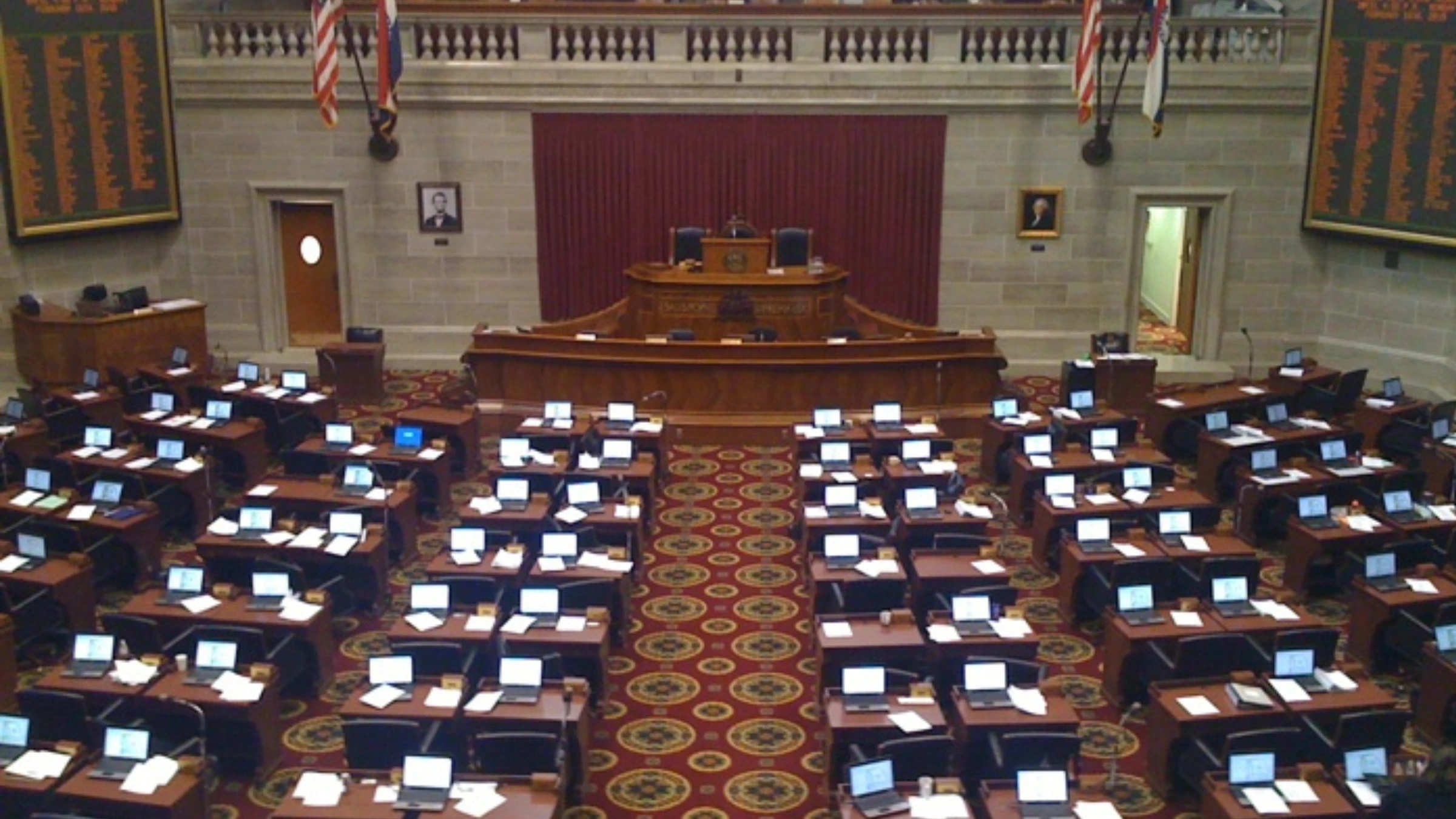
The Missouri Senate on Wednesday advanced its version of the state budget, approving an education spending bill as lawmakers confront a projected $2 billion shortfall and questions over K-12 funding.
The chamber voted 21-11 to pass funding for the Department of Elementary and Secondary Education and also took up measures covering higher education and workforce development. The House approved a roughly $50.3 billion budget in March, setting up negotiations between the chambers ahead of the constitutional deadline.
The Senate’s education plan totals about $8.34 billion, below the governor’s $8.56 billion proposal and the House’s roughly $8.5 billion version.
However, a comparatively small amount was sent by the Sports Wagering for Missouri Fund, a government program that collects tax revenue from legalized sports betting in Missouri and directs it primarily to K-12 education. They contributed just $6.8 million in total to the bill, though that number is projected to be higher.
House Bill 3533 proposes a hike in sports betting tax rate
A proposal being put forward by one lawmaker would significantly increase the tax on sports betting, withHouse Bill 3533from Jeff Knight seeking to raise the rate from 10% to 34%, which would rank among the highest nationally. The measure would also limit how much sportsbooks can deduct in promotional spending from monthly revenue totals.
Supporters say low tax rates stem from industry-backed ballot measures and note that higher taxes on gambling are often seen as politically easier than targeting other “sin” sectors like alcohol or tobacco. The bill received a public hearing this week and remains in committee, but could reemerge, particularly if Gov. Mike Kehoe advances a plan to eliminate the state income tax, which makes up a large share of Missouri’s revenue and would likely require alternative funding sources.
However, there is reportedly some scepticism from those inside the industry, with some concern over the impact it may have on the ability for Missouri to attract betting operators.
Missouri’s 10% tax rate among lowest in the nation
Operators have previously said the current rate was factored into their market entry strategies, and a sudden increase would significantly reduce margins, particularly in the early years when customer acquisition costs remain high.
A key concern is the proposal to limit deductions for promotional spending, which sportsbooks rely on to attract new users and compete with established brands. Companies such as FanDuel and DraftKings have historically spent heavily on incentives like free bets and bonuses. Indeed, it’s promotional marketing that affected the first three months revenue in Missouri.
Industry insiders say restricting those deductions while raising taxes would create a double financial hit, making it harder to scale operations and potentially slowing market growth.
Opponents also argue that higher taxes could alter the consumer experience. Sportsbooks may respond by offering less competitive odds, reducing promotions or tightening betting limits, which could push some bettors toward unregulated offshore platforms and other illegal sites that offer more favorable terms. That dynamic, they say, risks undercutting the legal market the state is trying to build and regulate.
Industry groups are warning that sharply increasing the tax rate could make Missouri less attractive compared with neighboring states, potentially deterring future investment and partnerships. They point to other jurisdictions where aggressive tax structures have led to slower market expansion or consolidation, arguing that stability and predictability in tax policy are key to sustaining long-term revenue growth for both operators and the state.