There is mounting opposition to prediction markets in the courts and on The Hill, and now the sector must face a new foe in the court of public opinion.
FairPredicts, a brand-new prediction market ‘watchdog’, has launched a six-figure advertising campaign that will buy up space in the Washington D.C. media market.
Campaign to coincide with Senate Commerce Committee hearing
The drive will include an aggressive digital push along with a heavy billboard presence lobbying lawmakers to reconsider regulations around the rapidly rising prediction market sector.
FairPredicts, which says it seeks to hold the prediction market industry accountable, has been particularly critical of Kalshi, one of the sector’s largest operators. Kalshi spent nearly $500,000 lobbying Congress and the Commodity Futures Trading Commission (CFTC) in 2026, according to federal disclosures.
In a statement to NBC News, the group said: “FairPredicts is launching today as a nonpartisan market integrity watchdog with one clear mission: holding Kalshi and other prediction market operators accountable for the growing gap between what they tell the public and what they actually do.”
Prediction markets often tout anti-prediction market lobbying efforts as pro-gambling business interests in disguise. In response to the FairPredicts campaign, Kalshi spokeswoman Elizabeth Diana said: “Smells like a casino-led effort. Prediction markets are fair, transparent, and open. Casinos limit winners (unfair), price with algorithms (opaque), and set the odds themselves (closed). FairPredicts or UnfairPredicts.”
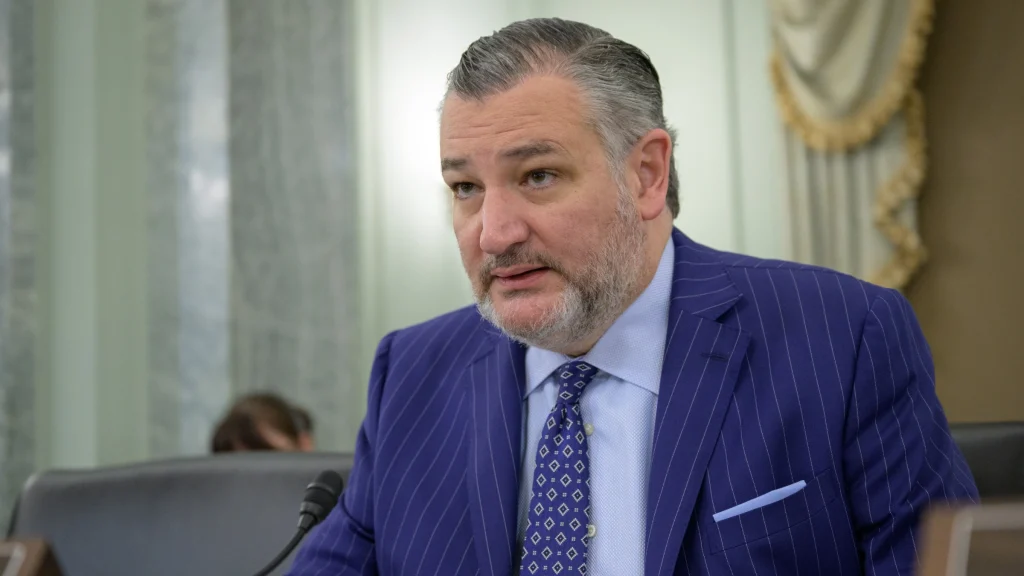
The hearing will take place on May 20 and examine the integrity of sports betting and prediction markets amid growing scrutiny of gambling-related scandals involving sports leagues and organizations. The hearing, titled “No Sure Bets: Protecting Sports Integrity in America,” will be led by the Senate Commerce Subcommittee on Consumer Protection, Technology and Data Privacy and streamed online.
“Fans shouldn’t have to wonder if their favorite player missed a buzzer-beater or dropped a touchdown pass because of a secret bet,” Subcommittee Chairman Ted Cruz said in a statement. “Unfortunately, recent episodes have planted that seed of doubt and raised questions about whether changes are necessary to integrity in sports.”
The witnesses called to the hearing will be Bill Miller, president and CEO of the American Gaming Association; Mary Beth Thomas, executive director of the Tennessee Sports Wagering Council; Scott Sadin, co-founder of Integrity Compliance 360; and Patrick McHenry, a senior adviser for the Coalition for Prediction Markets.
Advertising campaign comes amidst 60 Minutes investigation into prediction markets
Polymarket faced renewed scrutiny Sunday after separate reports by 60 Minutes and The Wall Street Journal examined the platform’s trading activity and dispute resolution system. The 13-minute CBS segment, reported by Jon Wertheim, focused on allegations of insider trading tied to geopolitical betting markets.
According to blockchain analytics firm Bubblemaps, nine connected Polymarket accounts earned more than $2.4 million while posting a 98% win rate across more than 80 bets tied largely to U.S. military actions.
The accounts accurately predicted the timing of the first U.S. strikes on Iran, the removal of the country’s supreme leader and a subsequent ceasefire announcement. CBS reported that more than $1 billion has been wagered online this year on military decisions and conflict-related outcomes.
Polymarket said in a statement to 60 Minutes, “When our systems identify suspicious activity, we act, including through referrals to law enforcement and cooperation with investigations,” and “insider trading is not welcome on Polymarket, and those who attempt it will be identified.”
It could prove a damaging segment for the industry ahead of what is likely to be a fractious week in the US Capitol.
Social media gambling adverts targeted by lawmakers
Elsewhere in DC, a bipartisan pair of U.S. senators is preparing legislation aimed at limiting sports betting advertisements seen by minors on social media platforms. Katie Britt and Richard Blumenthal are jointly developing the proposal, according to reports.
The measure, titled the Gaming Advertisement to Minors Enforcement Act, would establish a federal ban on sports betting advertisements targeting minors on platforms such as TikTok and Instagram. The bill comes amid growing scrutiny over the rapid expansion of sports gambling marketing across digital media.
According to The Wall Street Journal, the legislation would be enforced by the Federal Trade Commission (FTC), with penalties reaching up to $100,000 per violation. The proposal would exempt advertisements shown broadly during live sporting events and betting-related content actively searched for by minors.
Some sports fans voiced support for tighter restrictions, arguing gambling promotions have become too widespread across television and online platforms. Others warned that the growth of legalized betting could worsen financial and addiction-related problems for people vulnerable to compulsive gambling.