

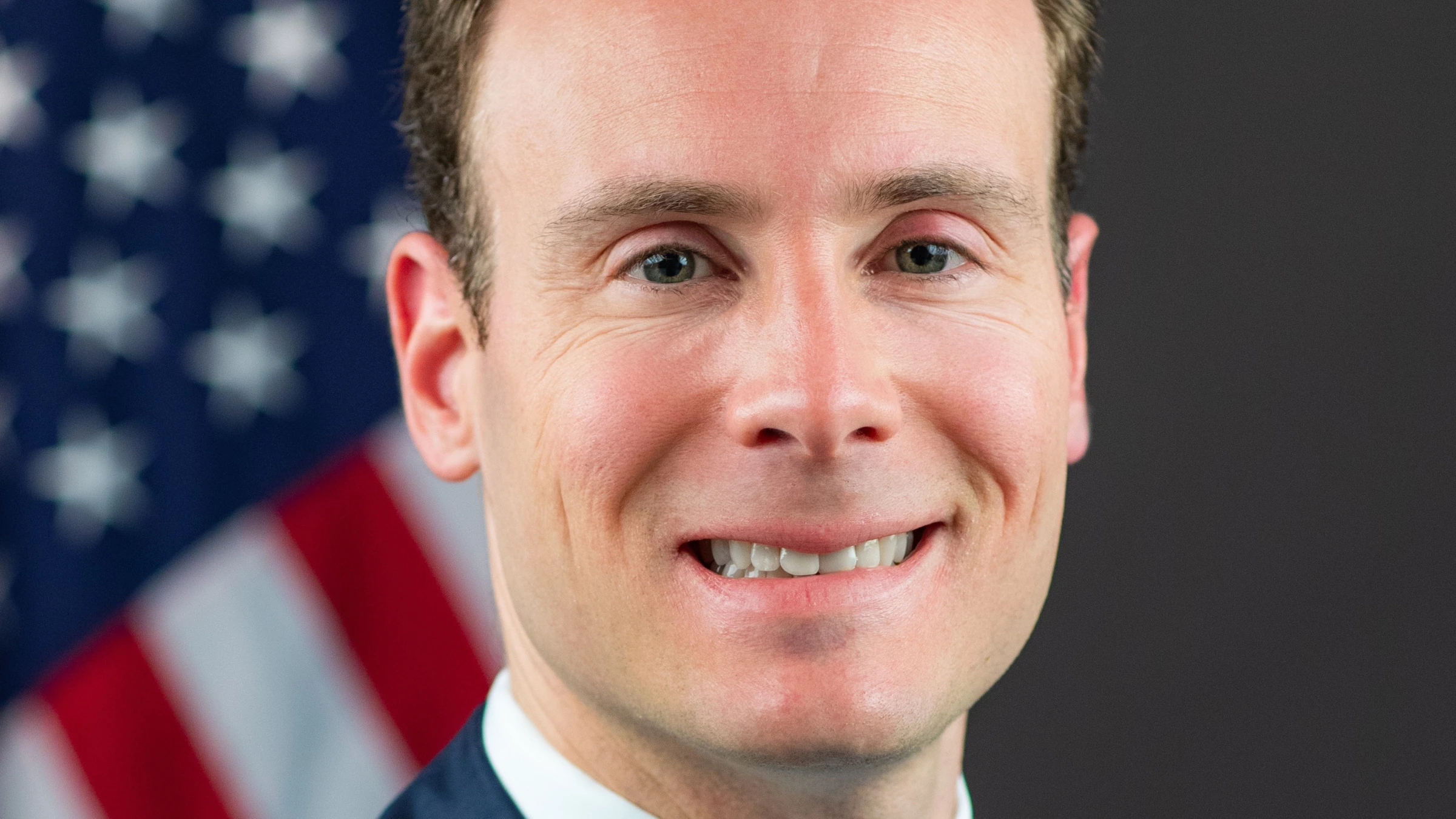
Chairman of the Commodity Futures Trading Commission (CFTC) Michael Selig attempted to calm fears and smooth political tensions with his first appearance in front of Congress in his role since being nominated by President Donald Trump back in October 2025.
The federal regulator repeatedly referred back to the authority’s “advanced notice of proposed rulemaking” as he tried to navigate some tough questioning by lawmakers growing increasingly concerned with the impact of prediction markets on society. His performance divided observers, with some analysts suggesting it was a nervous first appearance by the 36-year-old.
Heated hearing reveals little to impatient lawmakers
Selig endured hours of questioning from lawmakers on a wide range of derivatives issues, including prediction markets, agriculture and workforce diversity. Industry observers closely tracked his answers on prediction markets, particularly from members representing states with legal sports betting or tribal gaming interests.
He first referenced the CFTC’s plan for an advanced notice of proposed rulemaking in his opening statement and returned to that point throughout the hearing. Selig repeatedly said he would not pre-judge key issues tied to the platforms before a formal rulemaking process is underway.
Lawmakers also pointed to a series of recent controversies, highlighting how traders have reaped significant gains tied to geopolitical developments. In response, Selig sought to reassure the committee that the agency is focused on oversight and enforcement, stressing its commitment to policing misconduct.
He told them: “I want to be crystal clear to anyone who engages in fraud, manipulation or insider trading in any of our markets: we will find you, and the full force of the law will come to bear,
“Nothing is more important than protecting market integrity, and that’s why I’ve been diligently working to reinvigorate our enforcement division and upgrade our surveillance tools to meet the challenges of our growing markets.”
His conciliatory stance was starkly different to previous comments. The CFTC has repeatedly threatened court action against local state officials, many of which are issuing cease and desist orders to companies such as Kalshi and Polymarket.
Tribal issues top of CFTC list
Meanwhile, lawmakers from states including California, Minnesota and New Mexico pressed Selig on tribal sovereignty and gaming exclusivity.
Rep. Gabe Vasquez, the U.S. representative for New Mexico’s 2nd congressional district since 2023, showcased two sets of betting lines for an MLB game, challenging Selig to distinguish between a prediction market and a sportsbook. Selig said he could not, noting he is “not an expert in betting lines.” Vasquez argued back: “if this product looks like sports betting, the public should expect sports betting-type protections and regulations”.
Selig maintained that prediction markets can serve hedging purposes and emphasized the need for comprehensive oversight by the CFTC.
When asked by Rep. Andrea Salinas whether prediction markets conflict with tribal gaming law, Selig said the issue would be addressed through rulemaking and noted ongoing discussions with tribes.
In an exchange with Rep. Salud Carbajal, Selig rejected comparisons to gambling: “Derivatives are a type of financial instrument, and as our statute prescribes, they can be traded with a broad range of different underlying assets,
“It’s very important that we continue to oversee these markets comprehensively, whether the market is a sports-related derivatives contract, a political derivatives contract or a derivative on corn or grain.”
Anti-prediction market bills remain blocked
A slate of congressional proposals aimed at restricting or reshaping prediction markets remains pending, with none advancing to passage as lawmakers debate how to regulate the emerging sector.
The Public Integrity in Financial Prediction Markets Act, introduced by Democrats Elissa Slotkin and Adam Schiff and Republicans Todd Young and John Curtis, would bar federal officials and staff from trading on such platforms using nonpublic information and require greater disclosure of activity.
Other bills take a more targeted approach. The DEATH BETS Act would prohibit contracts tied to war, terrorism or an individual’s death, while separate proposals seek to ban wagers linked to military operations or sensitive government actions.
Politicians are scrambling to impose broader guardrails and stricter anti-fraud protections, which would, they hope, lead to closer alignment with existing gambling laws.
With Congress divided and multiple bills stalled, the regulatory path for prediction markets remains uncertain. Lawmakers signaled continued scrutiny, while Selig made clear the CFTC will rely on its rulemaking process to define the boundaries of the fast-evolving sector. Until then, both industry participants and policymakers are left navigating a gray area with high stakes for markets, consumers and existing gaming frameworks.