Lawmakers in the senate have voted unanimously to ban themselves and colleagues from placing trades with prediction market platforms such as Kalshi and Polymarket.
The measure is separate from The Bets Off act, which was introduced by the U.S. Democratic lawmakers Senator Chris Murphy and Representative Greg Casar back in March.
Prediction market involvement would deteriorate confidence of constituents, author of legislation argues
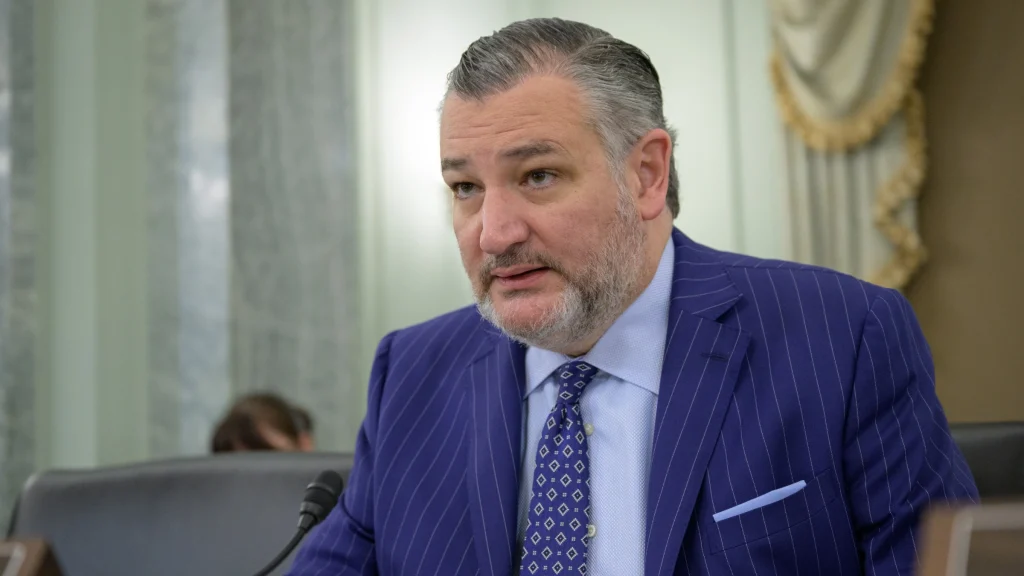
Speaking on the floor of the senate, Senator Bernie Moreno (R-Ohio) highlighted the tangible impacts he believes prediction markets can have on the relationship between elected officials and those who vote for them.
Moreno, who spearheaded the bill, said: “Engaging in any way in a prediction market or trying to place bets where we might have inside information deteriorates our confidence that our constituents have in us,
“So it’s extremely important that the public know that from this day forward, there is no chance that any member of Congress, member of the Senate, in this case, in this resolution I’m going to propose, be involved in any prediction market whatsoever,”
The resolution only applies to senators, and there are calls for the house to act fast to enact the same restrictions to its members. Senate minority leader Chuck Schumer said: “it was “a good thing that the Senate is moving swiftly. Speaker Johnson should immediately do the same thing in the House.”
A comparable resolution is anticipated to be introduced in the House by Republican Ashley Hinson, (R-Iowa).
Kalshi CEO praises lawmakers, calls for measure to pass the House
In a post on Social Media, Kalshi CEO Tarek Mansour voiced his support for the ban. He wrote: “I applaud the Senate for passing this resolution to ban Senators and their offices from trading on prediction markets.
“Kalshi already proactively blocks members of congress and enforces against insider trading. This is a great step to increase trust in our markets by making it an industry standard. Now, let’s pass this in the House!”
Mansour has been vocal in warning users against insider trading but doesn’t appear concerned about the long-term threat to the sector. In an onstage interview at Semafor World Economy in Washington, D.C, Mansour said: “There’s always going to be bad actors. The goal is to just squash them,
“If you commit insider trading on Kalshi, that can, and will at some point, be a federal crime,” he added. “I actually do expect the DOJ to prosecute some of these cases.”
Kalshi has launched roughly 200 insider trading probes over the past year.
Mounting accusations of high profile insider trading
The measure comes amidst several high profile accusations of insider trading within the administration, allegations that also cause PR discomfort to leaders within the prediction market sector.
Those allegations have increasingly intersected with concerns about U.S. government knowledge and actions, including those involving the White House and military decision-making. While unproven, several high-profile cases have fueled scrutiny of how sensitive information could influence bets on platforms.
A recent headline-making case involved a U.S. special forces soldier indicted for using classified intelligence tied to an operation targeting Nicolás Maduro. Prosecutors said the soldier placed bets ahead of the public announcement and made more than $400,000.
Separately, trading activity tied to geopolitical events, sometimes referred to by analysts as “war trades,” including those linked to tensions with Iran, has drawn scrutiny after unusually well-timed bets suggested some traders may have had access to nonpublic information.
In another instance, prediction market platforms themselves reported internal investigations into suspicious trading patterns, including politically sensitive contracts. Executives have warned that some users appeared to trade with knowledge unavailable to the public, prompting broader concerns that government insiders, potentially including those connected to the White House, could misuse privileged information.
The White House has responded by cautioning staff against participating in prediction markets using nonpublic information, as policymakers move to tighten restrictions.