Major League Soccer (MLS) has banned two players for life from playing in its league after investigations uncovered extensive evidence of match-fixing.
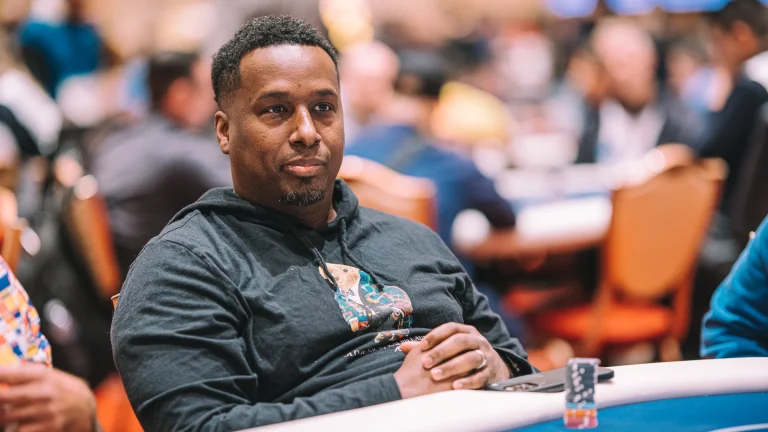
Midfielder Derrick Jones, who was released from his contract with Columbus Crew back in November, and winger Yaw Yeboah, who was let go by Los Angeles FC in January, were both found to have “engaged in extensive gambling on soccer, including on their own teams” throughout the 2024 and 2025 seasons.
Both players bet on Jones to receive yellow card
The investigation found Jones and Yeboah, who were teammates at Columbus Crew back in 2024, had conspired to bet on Jones to receive a yellow card in one MLS game.
A statement from the league added: “MLS also determined that the players likely shared confidential information with other bettors about their intent to draw yellow cards. No evidence was identified that suggested any of these betting activities affected the outcome of a match.”
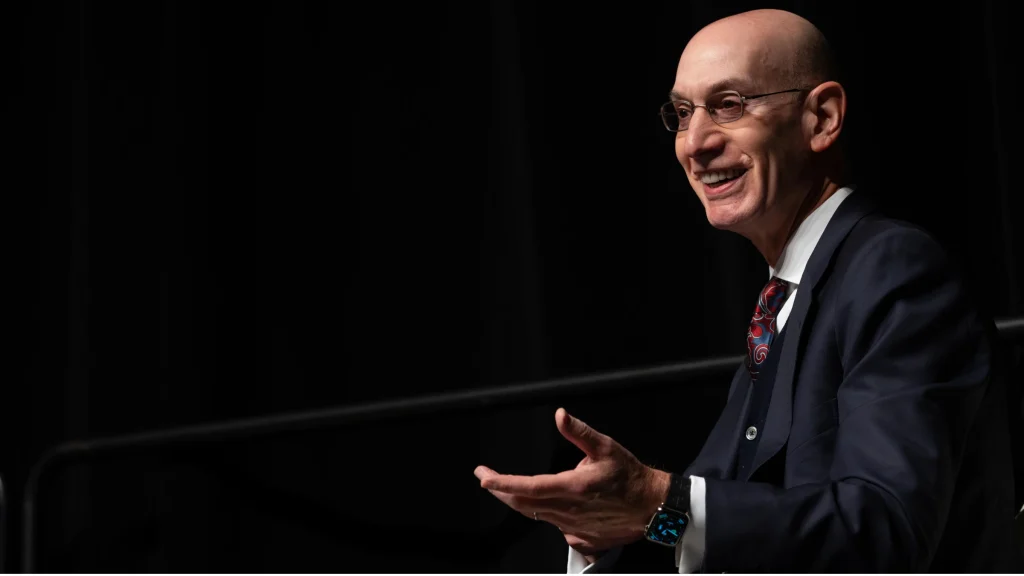
MLS Commissioner Don Garber said: “Major League Soccer remains steadfast in its commitment to match integrity. The League will continue to enforce its policies, enhance education efforts, and advocate for the elimination of yellow card wagering in all states to protect the integrity of our competition for clubs, players, and fans.”
Yeboah has since signed a contract with Chinese Super League side Qingdao Hainiu, one of nine clubs handed a points deduction by league administrators last year for match-fixing, while Jones remains without a club.
Match-fixing comes weeks after agreement with Polymarket
The case comes at an awkward time for the MLS, which announced an agreement with prediction market company Polymarket just over six weeks ago.
At the time, Gary Stevenson, the league’s deputy commissioner, said: “As MLS continues to grow, innovation remains central to how we engage fans and evolve the league. Partnering with Polymarket allows us to integrate prediction markets as a new fan engagement format and position MLS as an early leader among global soccer properties.”
However, prediction markets have also come under scrutiny after several alleged insider trading incidents. In February 2026, a video editor working for YouTube creator MrBeast was fined and suspended by the regulated prediction platform Kalshi after the company said he used “material non-public information” to trade on markets related to the creator’s content.
The employee reportedly earned profits using inside knowledge about upcoming videos and viewership metrics, prompting the platform to refer the case to federal regulators and impose a $20,000 fine.
More serious concerns emerged around geopolitical betting markets. In early 2026, several newly created accounts on the crypto-based prediction platform Polymarket placed large wagers predicting a US-Israeli military strike on Iran shortly before the attack occurred. Blockchain analysis suggested that a handful of accounts made around $1.2m in profit after funding positions only hours before the strikes were reported, raising suspicions that traders may have had access to non-public information.
New measures may be needed to combat sports event contracts corruption
As leagues such as MLS explore partnerships with platforms like Polymarket, some are increasingly arguing that stronger monitoring and rules may be needed to prevent abuses similar to insider trading in financial markets.
Regulators and industry leaders have already warned about the risks of insider information in prediction markets. Commodity Futures Trading Commission (CFTC) chair Michael Selig recently said that if traders attempt “manipulation, fraud, or insider trading, we will find you and take action,” while U.S. attorney Jay Clayton added that “because it’s a prediction market doesn’t insulate you from fraud.”
Kalshi CEO Tarek Mansour has also argued that trading on non-public information is “committing a financial crime,” highlighting growing calls for stronger oversight as the sector expands.
As partnerships with betting and prediction platforms expand, leagues, regulators, and operators will likely face increasing pressure to strengthen monitoring systems and establish clearer safeguards to ensure that innovation in fan engagement does not come at the expense of sporting integrity.