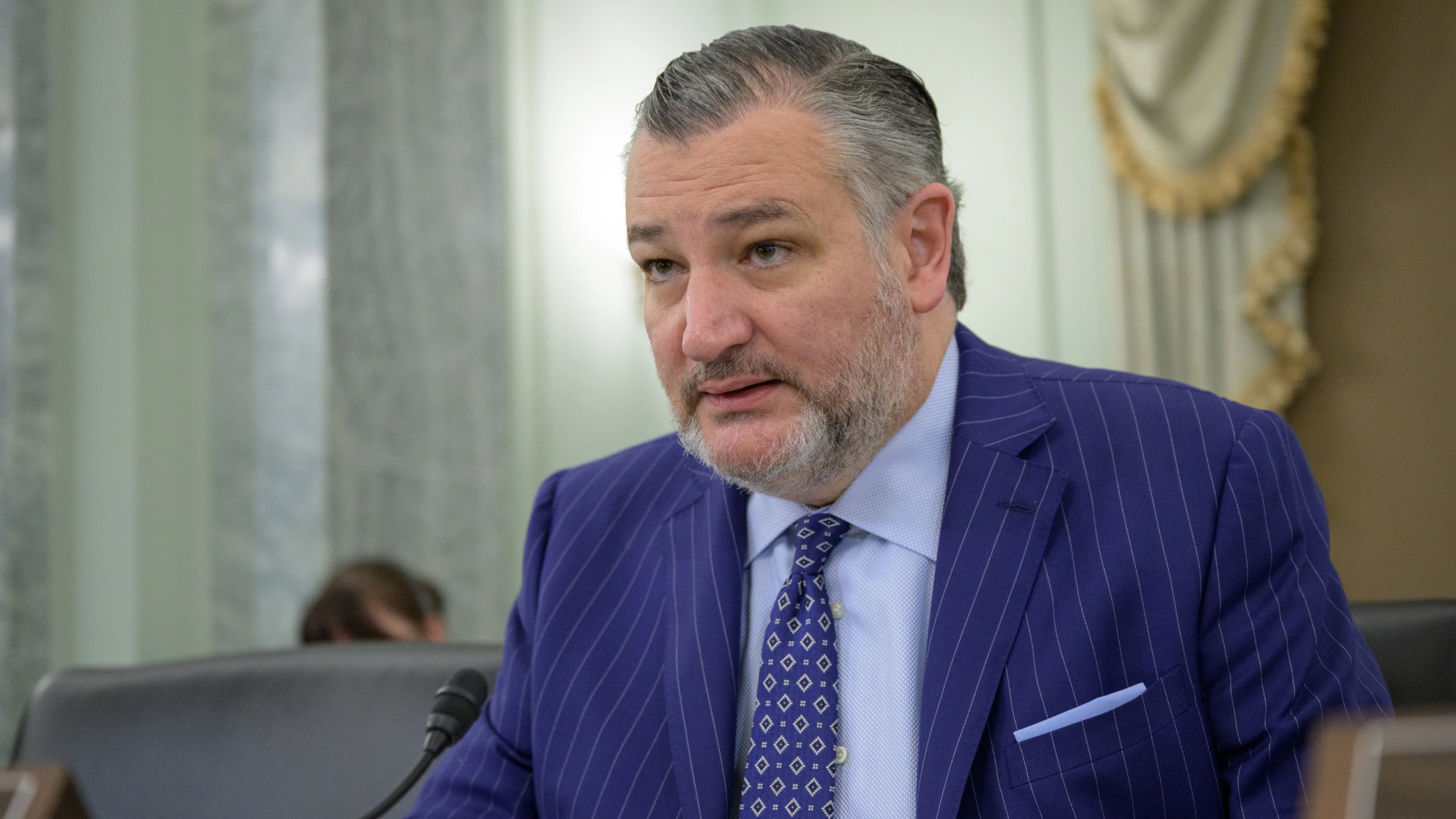
Members from the prediction market industry were cross-examined at a Senate Commerce subcommittee hearing, led by Sen. Ted Cruz as lawmakers aim to get to grips with an exploding industry.
The issue of integrity in sports and whether prediction markets impinge on the rights of sovereign states were among the topics discussed in what was a fiery and contentious affair on The Hill.
High profile match manipulation cases raised
Concerns about match manipulation have intensified as sports-linked prediction markets expand. Federal investigators recently examined unusual betting activity tied to Major League Baseball (MLB) games, which led to the arrests of Cleveland Guardians pitchers Emmanuel Clase and Luis Ortiz.
Meanwhile, the National Basketball Association (NBA) has faced scrutiny over suspicious prop betting patterns involving players and coaches. Former player Jontay Porter was charged with conspiracy to commit wire fraud after allegedly leaving games early so bettors could profit from wagers on his performance.
Portland Trail Blazers head coach Chauncey Billups and shooting assistant Damon Jones face wire fraud and money laundering conspiracy charges linked to alleged rigged poker games and sports betting schemes. Miami Heat player Terry Rozier was charged with similar offenses after prosecutors alleged he shared plans to exit a game early so associates could profit from bets against his statistics.
At the hearing, Cruz pointed to those instances as to why prediction markets deserve closer scrutiny: “These incidents sow doubt in the minds of fans. That is why sports leagues, casinos, and regulators have to work together to identify, to investigate and to root out manipulation.”
Cantwell demands clarity on prediction markets
One senator, Maria Cantwell (D-Wash.), was forthright in her scathing take on prediction markets offering sports event contracts, and pushed the panel to explain the impact they may have on tribal communities.
She pointed to Congress expanding the Commodity Futures Trading Commission’s (CFTC) authority in 2010 to block prediction market contracts tied to gambling or activities prohibited under state law. The agency followed with a 2011 rule barring sports-event contracts on prediction markets.
Cantwell said the industry largely complied for years before platforms began offering sports-related contracts in 2025: “So, my state wants to know why the Indian gaming [operations], who basically have lived by the rules in their state and lived by the rules of a regulated entity, are now all of a sudden competing with somebody that is not a regulated entity that’s basically offering the same product,”
“If the prediction markets are allowed to keep operating unchecked does this pose an existential threat to both tribal sovereignty and to Indian Country, and what can Congress do to better protect Indian gaming?”
Bill Miller, representing the American Gaming Association (AGA), the premier national trade group representing the $329 billion U.S. casino gaming industry, was unsurprisingly in agreement with Cantwell. He said: “And so, yes, there’s real harm here. Indian country is scared. They believe that gaming has been a transformational economic opportunity for some of the people that have been treated worse than almost anybody else in this country’s history.
“Gaming has created economic vitality and an opportunity for them, and that opportunity is very much at risk because of prediction markets.”
Increase in problem gambling rates also raised
There were increased calls to tackle gambling addiction, too.
A 2024 national survey found problem gambling rates in the U.S. have returned to levels last seen in 2018, with 8% of adults, nearly 20 million people, reporting repeated signs of problematic gambling behavior over the past year. Researchers found the highest risks among frequent gamblers, online and sports bettors, younger adults and men, as well as people who viewed gambling as a way to make money.
Harry Levant, director of gambling policy at the Public Health Advocacy Institute, told the Senate subcommittee that his own struggles with problem gambling show how quickly betting can spiral into addiction for some people.
“This is not a Republican issue or a Democrat issue,” Levant said. “This is a human issue regarding an addiction crisis that needs to be addressed and prevented.” In response, Miller argued the industry is a major part of the American economy, providing thousands of jobs.
Prediction markets argue for federal regulation ahead of state oversight
Prediction market companies have increasingly argued that their platforms should be regulated as financial exchanges rather than gambling operations, framing event-based contracts as federally overseen futures products. Companies such as Kalshi and Polymarket say their markets fall under the authority of the CFTC, not state gaming regulators.
That argument has gained support from the Trump administration, which has backed federal oversight of prediction markets and challenged state efforts to restrict the industry. Federal regulators have sued states including Minnesota over laws aimed at limiting sports-event and election-related contracts, arguing that federally regulated derivatives markets cannot be barred under state gambling statutes.
Former Rep. Patrick McHenry, current senior adviser for the Coalition for Prediction Markets, said prediction markets operate more like financial exchanges, where users trade contracts with one another instead of wagering directly against the platform.
“In a casino or sportsbook, the house sets the odds and profits when customers lose,” McHenry told the Senate committee. “In a prediction market exchange, participants trade with one another, while the platform earns transaction fees for facilitating the market.”
McHenry argued the distinction changes the industry’s incentives, saying prediction markets profit from higher participation and liquidity rather than customer losses. Supporters also contend the exchanges can improve price discovery and public forecasting by aggregating information from traders, though critics argue the platforms increasingly resemble sports betting markets in practice.