
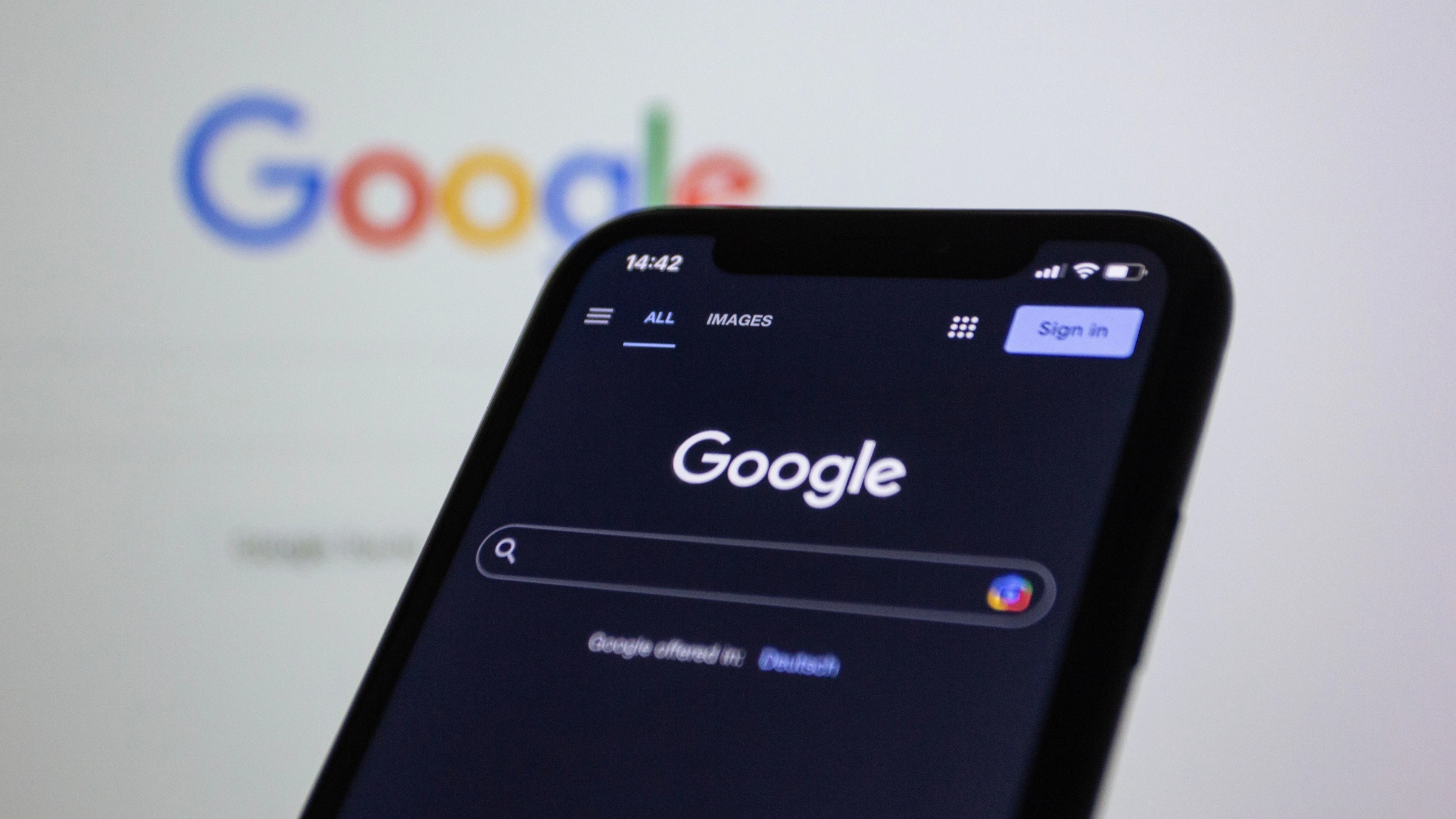
Google has blocked prediction market ads in Ohio after Kalshi lost a key court fight over sports event contracts in the state. The change adds another business hurdle for prediction market platforms trying to reach sports users through major ad channels.
The move follows a March federal court ruling that let Ohio regulators treat Kalshi’s sports-related contracts as gambling under state law. The ruling gave Ohio more power to enforce sports betting rules against event contract products.
Ohio ruling changes ad access
Google Ads now excludes prediction markets from gambling and games certification in Ohio. Advertisers cannot use Google’s gambling ad approval process to promote those products to users in the state. Google certification is a key route for gambling-related ads. Licensed sports betting operators can advertise only when they meet state, platform and responsible gambling requirements.
Prediction markets are now being treated differently in Ohio after the court ruling. Kalshi had argued that its contracts are federally regulated financial products, but the court rejected its request to block state enforcement while the case continues.
Kalshi case drives state response
Kalshi sued the Ohio Casino Control Commission and the Ohio Attorney General’s Office after state officials moved against its sports event contracts. The company argued that federal commodities law should override state gambling rules.
The court did not accept that argument at the preliminary injunction stage. It found Ohio had enough authority to keep enforcing its gaming laws while the legal challenge moves forward.
That decision did not end the wider fight over prediction markets. Kalshi continues to argue that it operates as a federally regulated exchange, while several state regulators say sports outcome contracts are unlicensed sports betting.
Sports contracts face tighter limits
The Ohio ad block affects prediction markets at a practical level. Losing access to paid search and display ads can make it harder to attract users in a state where a platform is still fighting in court.
The issue is especially important for sports contracts. Markets tied to game winners, spreads, player performance or tournament results can look similar to sportsbook products for users.
That similarity is why state regulators have focused on sports first. They argue that prediction markets are reaching bettors without the tax, licensing and consumer protection rules applied to licensed sportsbooks.
Google policy already separates gambling by state
Google requires gambling advertisers in the US to meet state-by-state certification rules. Operators must also hold the right local approvals before running ads for betting or gambling products.
That structure gives Google a way to block specific product categories in one state without changing access everywhere. In Ohio, prediction markets now sit outside the gambling and games certification route while the legal fight over sports contracts continues.