
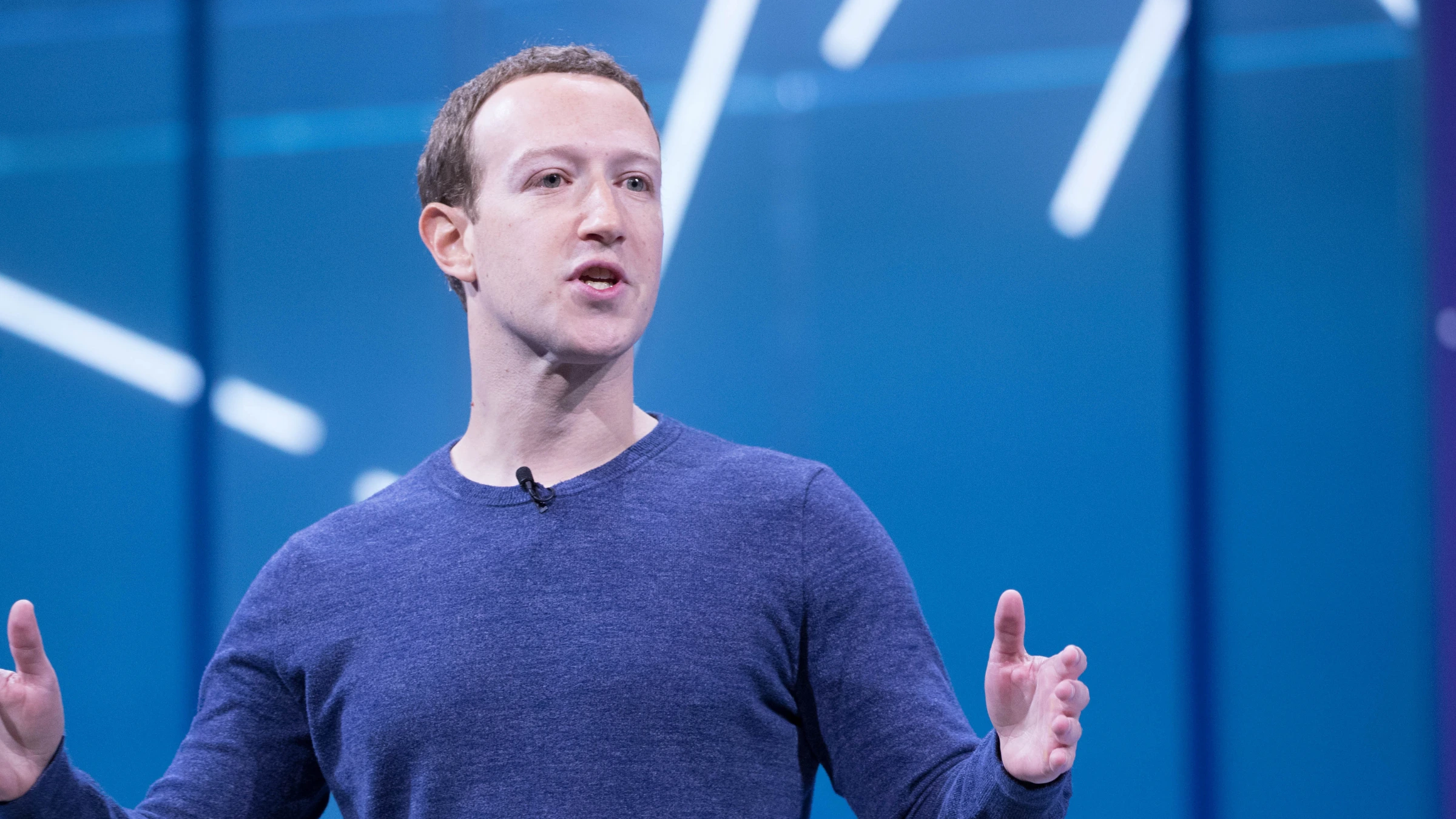
Facebook co-founder Mark Zuckerberg and his company Meta are launching a prediction market, according to reports from the New York Times.
The platform will be called Arena and is expected to be independent of other social media companies under the umbrella of Meta, which include Instagram, Facebook, and Whatsapp. However, it is not likely to involve real money, with more focus on the gamification element of prediction markets before any financial commitments are required.
Points system to be implemented
According to a person familiar with the discussions, the initial version of the app is expected to use a points-based system rather than allowing users to wager real money. The approach would resemble prediction features commonly found in video games and fantasy sports products, where participants earn points and rankings based on the accuracy of their forecasts.
The decision could help Meta avoid the regulatory scrutiny that accompanies real-money betting and prediction markets, which have faced growing legal challenges in several U.S. states. A free-to-play model would also allow the company to test user demand and engagement before introducing additional features.
The development has been marked as a top priority, according to anonymous sources within the company, with a small team dispatched to pour resources into its creation. Meta is expected to use its vast social media ecosystem to help drive adoption of the new platform. The company could promote the app across its existing products, giving it access to billions of users..
The strategy would provide Meta with a significant advantage over established prediction market operators, many of which have relied on word-of-mouth growth and partnerships to expand their user bases. Meta’s family of apps attracts more than 3.5 billion daily users worldwide. The scale of that audience has prompted debate among analysts and investors over how much room remains for further user growth across its core platforms.
Arena would follow previous prediction market effort
This is not the first time Meta has attempted to launch a prediction market app. Back in 2020, Forecast was launched with the aim to create a community around predictions.
However, Forecast never gained significant traction. Meta shut down the platform in 2022 to scale back experimental products and refocus resources on its core businesses and the metaverse initiative. Reports on Meta’s new “Arena” project note that Forecast was discontinued after failing to attract widespread adoption.
Analysts suggest key differences between Forecast and the newly reported Arena project appear to be timing and market conditions. When Forecast launched, prediction markets were still a niche concept. Since then, platforms such as Polymarket and Kalshi have generated tens of billions of dollars in trading volume and attracted mainstream attention around elections, sports and economic events. Meta may believe the market is now mature enough to support a second attempt.
Senator Blumenthal criticizes Meta plan
Lawmakers around the country continue to voice unease with prediction markets as the platforms expand beyond financial and economic events into sports, politics and other mainstream topics. Critics argue that many event contracts closely resemble traditional gambling products but operate under federal oversight rather than state gaming regulations, raising concerns about consumer protections, market integrity and lost tax revenue.
Senator Richard Blumenthal, Democrat of Connecticut, is one such lawmaker concerned. In a social media post Tuesday, the Democrat wrote, “Meta copied slot machines to addict kids to Instagram. Now Zuckerberg is turning his company into a prediction market.” Blumenthal added that Meta profits from “addiction” and urged support for the Kids Online Safety Act and the Prediction Markets Security and Integrity Act, two bills he is co-sponsoring in Congress.
People familiar with the project have cautioned that the app, internally known as Arena, remains under development and may never be released. Meta has not publicly announced the initiative.