
Prediction markets are among the sectors to get hit by tax rises in Illinois after a state spending plan was approved by the house and the senate in the early hours of Monday morning.
The key number appears to be a 25-cent tax per contract on sports-event prediction markets, mirroring the per-wager tax Illinois imposed on sportsbooks last year. The new levy applies to sports-event contracts traded on prediction-market platforms such as Kalshi.
Late night slog gets budget over the line, but leaves both sides wanting more
Lawmakers endured a vigorous late night of debating and voting at the Illinois State Capitol. House Bill 111 passed the Senate 37-21 after 3 a.m. Monday morning before the House followed around 4:15 a.m. with a 76-39 vote. Finally, the budget implementation bill, House Bill 2949, also passed both houses.
The budget is destined to face stiff legal opposition, with the Commodity Futures Trading Commission (CFTC) expected to have their say on the proposals. The agency has already opened legal cases against Illinois and several other states for targeting prediction markets in court. CFTC chair Michael Selig has previously called it an infringement on “exclusive regulatory authority” of the agency.
Sen. Elgie Sims, a Chicago Democrat and chief Senate budget negotiator, said: “There are no tax increases on everyday working families. In fact, everyday working families, as a result of this budget, will see their lives get easier.”
However, the budget has already come in for some sharp criticism. State Sen. Chapin Rose, a top GOP budget negotiator, said: ““They’re loading up their grocery cart literally before they have any idea how much they’re going to spend.”
The $55.9 billion budget is effectively flat after accounting for $830 million in supplemental spending this year. To secure passage, Democrats scaled back broader progressive tax proposals and instead adopted a narrower package that freezes corporate net operating loss deductions and imposes new taxes on social media companies, digital assets, fantasy sports and tobacco.
The budget also targets sports betting conducted through prediction-market platforms, signaling Illinois’ effort to capture revenue from a fast-growing sector that has blurred the line between financial markets and regulated gambling.
Prediction markets costing states in excess of $1 billion
The budget comes just days after a warning from the American Gaming Association (AGA) that the prediction market industry is costing state governments in excess of $1 billion in tax revenue.
AGA President and CEO Bill Miller said on CNBC: “It’s about states and tribes that are losing literally a billion dollars today in state and tribal revenue that would otherwise go to fund important community projects.”
Miller described prediction markets as “backdoor sports betting,” contending that they function similarly to sportsbooks but operate under a different regulatory framework.Prediction-market companies reject comparisons to traditional sports betting and dispute the industry’s revenue-loss estimates.
The Coalition for Prediction Markets, whose members include Kalshi, Coinbase and Robinhood, questioned the AGA’s methodology, while Kalshi spokesperson Elisabeth Diana called the figures “fake math from casinos” and argued prediction markets are “fairer, safer and less predatory than casinos.”
President Donald Trump has also backed preserving the CFTC’s authority over prediction markets as federal regulators consider a broader framework for the industry.
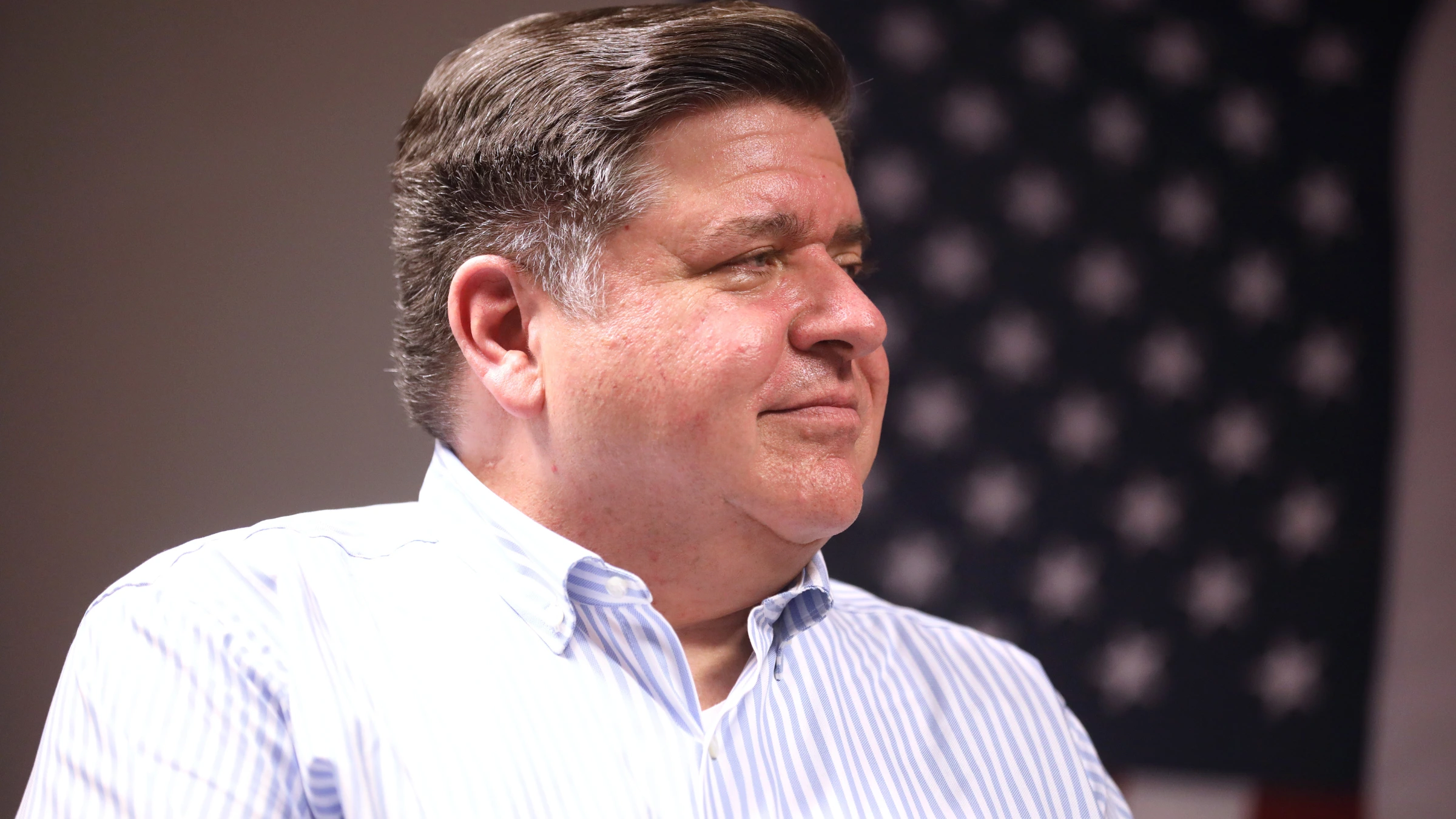
Governor JB Pritzker plans to overhaul Illinois Gaming Board
Meanwhile, a shake-up is expected of the Illinois Gaming Board, reports from last month suggest. As gambling has expanded rapidly under Gov. JB Pritzker, from casinos and sports betting to thousands of video gaming terminals, Illinois regulators have faced mounting pressure to police a multibillion-dollar industry and keep out applicants with alleged ties to organized crime.
Pritzker is now proposing a major overhaul of gambling oversight that would eliminate the Illinois Gaming Board and its public meetings, where governor-appointed members currently vote on licenses, disciplinary actions and other key decisions. The Illinois Racing Board would also be dissolved under the plan.
Their responsibilities would be consolidated into a new executive-branch agency, shifting authority away from independent boards and public deliberations. The proposal would end decades of public meetings that have provided insight into major regulatory decisions.
The move also raises questions about transparency. It remains unclear whether the state will revisit longstanding confidentiality rules that restrict access to records involving gambling applicants and investigations, including cases in which regulators have reversed licensing decisions without publicly explaining their reasoning.