
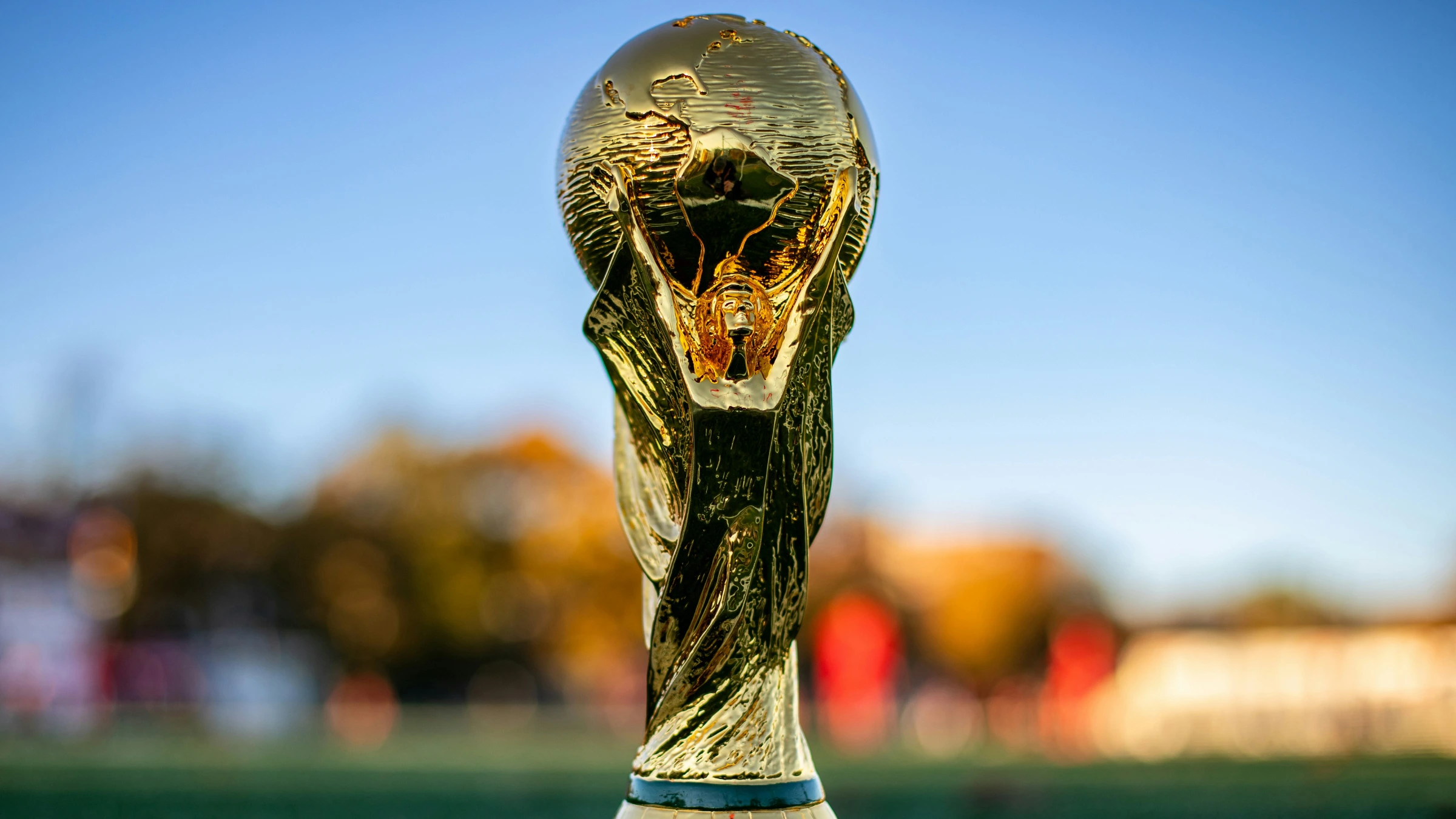
French lawmakers are preparing for a surge in problem gambling contacts over the course of the World Cup this summer after a survey revealed an increase in the number of people who would consider a bet during the tournament.
The national regulator in the country is the Autorité Nationale des Jeux (ANJ) and it has responded to the poll, which was administered by the Toluna-Harris Interactive, with an aggressive awareness campaign focusing on the dangers of gambling.
Men and younger adults take most interest
Interest in the competition is strongest among men and younger adults. More than seven in 10 men and people aged 18 to 24 said they intend to follow the tournament, making them one of the most engaged audiences ahead of kickoff.
The survey found that 41% of World Cup followers expect to place real-money bets on matches through mobile apps, websites or retail outlets. Betting intentions were significantly higher among men and younger adults than among the general population.
More than half of respondents aged 18 to 34 said they planned to bet money during the tournament, highlighting concerns about the exposure of young men and boys to gambling-related risks. Regulators have repeatedly identified younger bettors as a group vulnerable to excessive gambling and addiction.
The findings also showed that many existing bettors expect to increase their spending during the World Cup, particularly on France matches and other high-profile fixtures, signaling a potentially lucrative tournament for betting operators.
French public aware of the risks, despite willingness to bet
Most French adults recognize the risks associated with sports betting, with 83% of respondents saying gambling can lead to addiction and dependency. The concern was shared even among people who said they planned to bet during the World Cup.
The survey also highlighted the impact of gambling harm. Nearly one in five respondents said they knew someone who had lost control of their gambling. Among active sports bettors, 37% reported experiencing a loss of control in the past year.
The figure was particularly high among young adults. Two-thirds of bettors aged 18 to 24 said they had felt unable to control their gambling over the previous 12 months, underscoring concerns about the vulnerability of younger men and boys to betting-related harm.
While 73% of bettors recalled seeing responsible gambling messages, France continues to face significant gambling-related problems. A May survey by the French Monitoring Centre for Drugs and Drug Addiction estimated that about 1.17 million people in the country displayed problematic gambling behavior in 2024, including roughly 360,000 excessive gamblers.
Awareness campaign to launch a week before tournament begins
One week before the FIFA World Cup begins, France’s gambling regulator will launch a nationwide awareness campaign warning of the risks associated with excessive sports betting. Developed with creative agency LIBRE, the campaign reimagines the familiar yellow warning banner found in gambling advertisements as a highly visible “risk zone.”
The campaign features staged living-room scenes installed in public spaces, surrounded by yellow caution tape. Actors portray common signs of gambling addiction, including mounting losses, attempts to recover lost money, irritability and social withdrawal, with the aim of helping the public recognize problematic behavior.
At the center of the initiative is the message: “Playing with excess means entering a risky zone.” The campaign directs consumers to Evalujeu, an online tool that allows users to assess their gambling habits and access support services if needed.
ANJ President Isabelle Falque-Pierrotin said the World Cup presents several warning signs for regulators, including an increase in matches, betting opportunities and gambling advertising. She also pointed to a growing number of problem gamblers and their increasing contribution to operators’ revenues.
Falque-Pierrotin said recent research showed rising intentions to bet during the tournament, both in the number of people planning to wager and the amounts they expect to spend. She said the findings were particularly concerning because they revealed a high level of vulnerability among young bettors, reinforcing the need for a public awareness campaign ahead of the competition.
Meanwhile, Bet365 has entered the French market after receiving approval from France’s gambling regulator, giving the UK-based operator access to one of Europe’s largest regulated sports betting sectors. The license, granted through its Hillside subsidiary, allows Bet365 to offer online sports betting via bet365.fr ahead of the 2026 FIFA World Cup. France permits licensed operators to offer online sports betting, horse-race wagering and poker, while online casino games remain banned.