

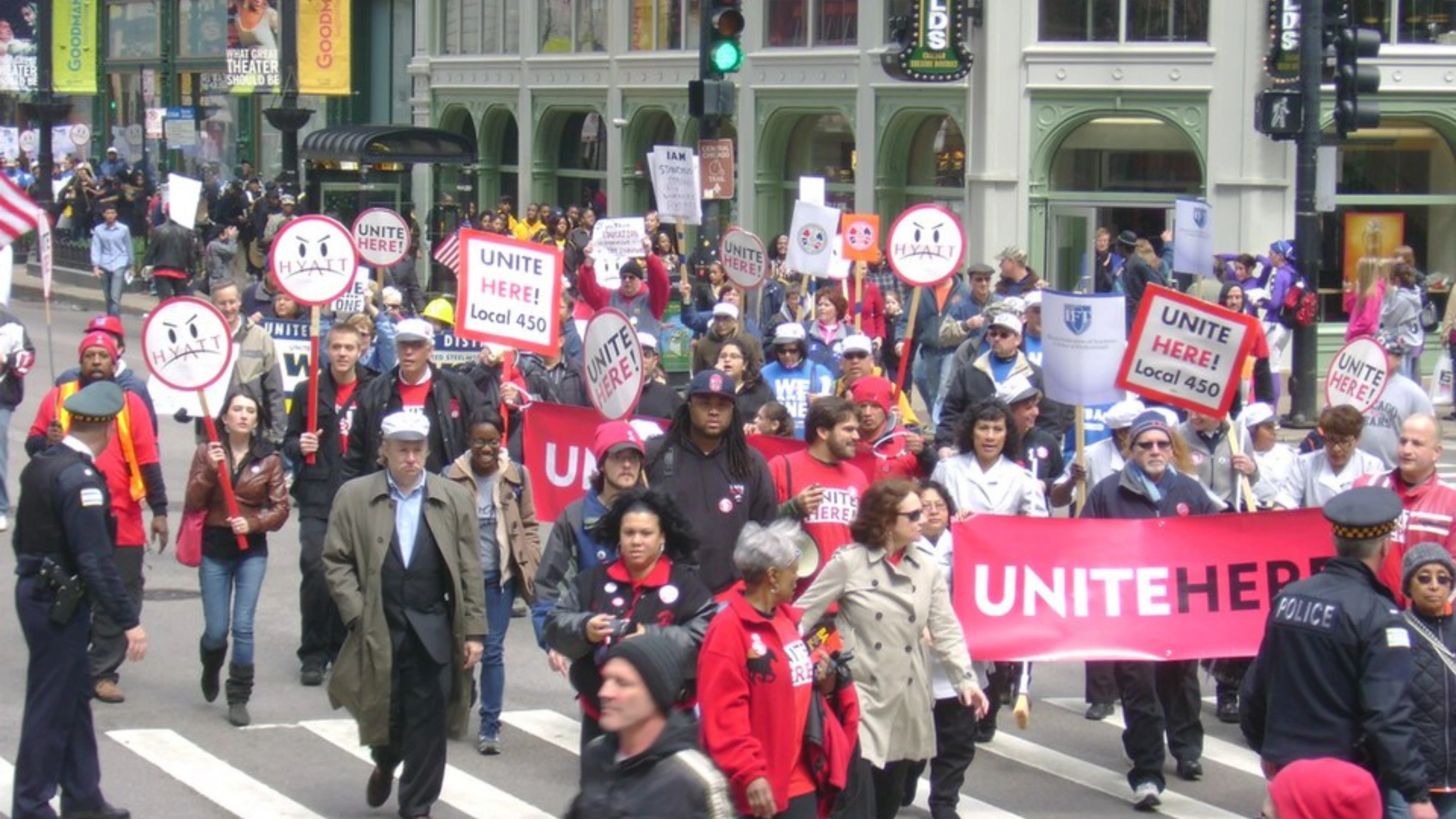
UNITE HERE is urging Congress to ban prediction markets from offering sports betting and casino-style event contracts. The products threaten regulated casino jobs and weaken state and Tribal control over gambling.
The call came from UNITE HERE President Gwen Mills as prediction market platforms face more pressure over sports-related products. The union represents more than 100,000 workers in Tribal and commercial casinos across the United States.
Union links contracts to casino jobs
UNITE HERE argues that prediction markets are competing with licensed sports betting while avoiding the same state and Tribal rules. That could move gambling revenue away from casinos and sportsbooks that support union jobs.
The concern is not only about operators. Casino workers depend on regulated gaming activity for wages, healthcare benefits and long-term employment. The union’s position adds worker pressure to a debate already involving state regulators, Tribal gaming groups and sportsbook operators. It frames sports contracts as a jobs issue, not only a licensing issue.
Sports contracts remain the main target
Prediction market platforms such as Kalshi have listed contracts tied to sports outcomes, including game winners and tournament results. Those products have faced challenges from several state gambling regulators.
State officials argue that sports event contracts look like unlicensed sports betting when users can trade on game outcomes. Prediction market operators argue that their products are federally regulated event contracts rather than sportsbook wagers.
That disagreement has created a court fight over whether sports contracts fall under federal commodities law or state gambling law. Courts in different jurisdictions have already handled challenges involving state enforcement efforts.
Tribal sovereignty sits at the center
UNITE HERE also includes Tribal sovereignty in its argument. Tribal gaming compacts give Native American tribes defined rights and obligations around gambling in many states.
Sports prediction contracts could affect that balance if platforms offer sports-event trading without going through compact agreements or state licensing systems. Tribal groups have raised similar concerns as prediction markets expand into sports betting-style products.
The issue is especially sensitive in states where Tribal casinos have exclusive or central roles in legal gambling. Those markets depend on negotiated compacts, revenue-sharing agreements and local regulatory structures.
Federal bills already target event contracts
Congress has already seen proposals aimed at limiting certain prediction market products. Some measures would restrict contracts tied to elections, sports, war, terrorism or other sensitive public events.
Those proposals show how the debate is moving beyond individual state enforcement actions. A federal ban on sports prediction contracts would directly affect platforms that currently argue their products belong under commodities regulation rather than state gambling law.