

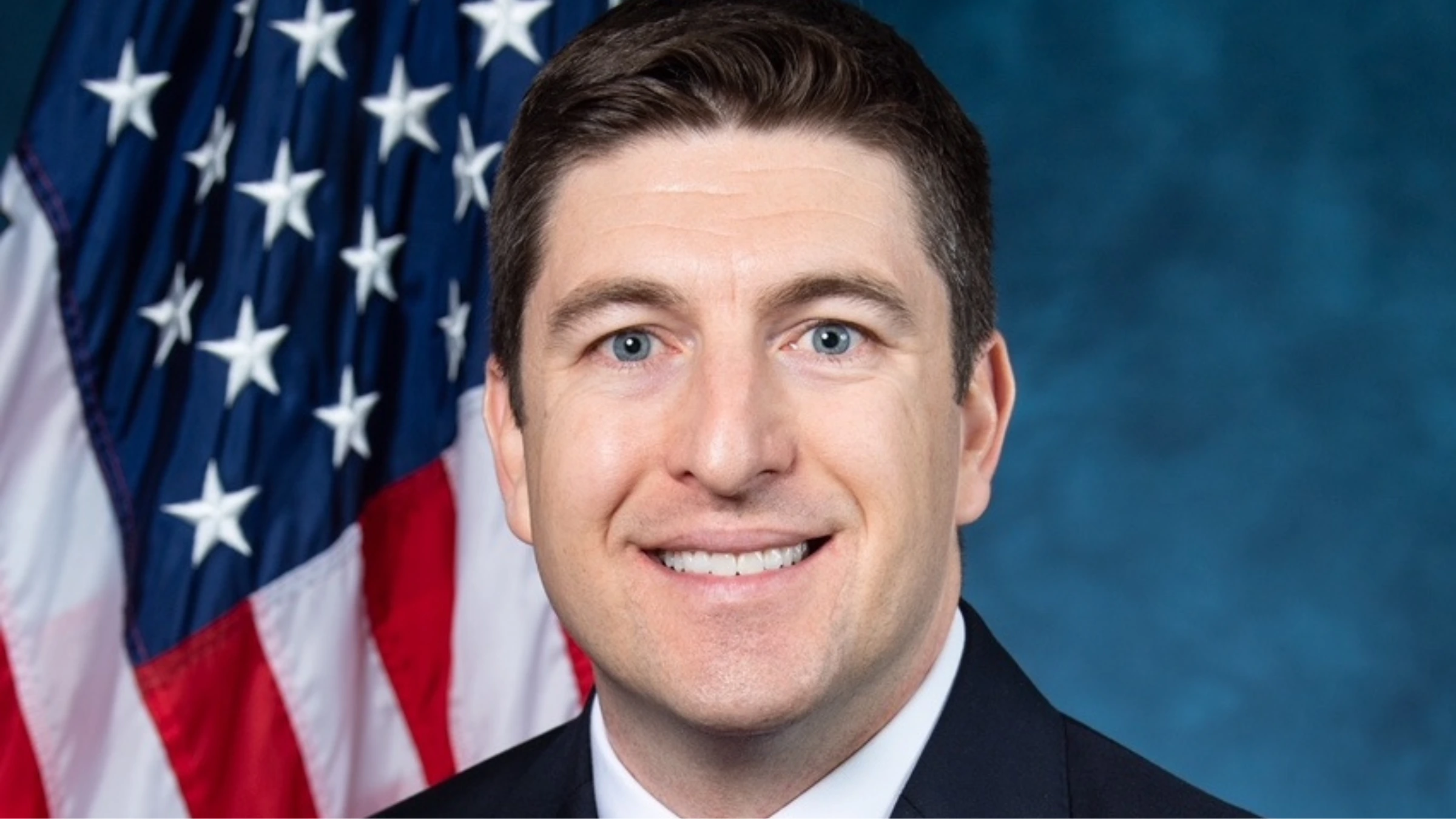
A Republican Congressman in Wisconsin is continuing to pile the pressure on the prediction market industry after proposing a bill that would ban congressional lawmakers and their families from placing bets on prediction markets.
Bryan Steil, who chairs the committee overseeing House ethics rules, is adding the provision to a broader bill that would bar members of Congress from buying new individual stocks, except through reinvested dividends. The legislation, backed by House Speaker Mike Johnson and Donald Trump, is expected to receive a vote on the House floor.
Provision requires penalty tax
Steil’s proposed provision would require lawmakers who place bets on events for which they possess insider information to forfeit any profits and pay a penalty of either $2,000 or 10% of the transaction’s value, whichever is greater. The measure, shared by Steil’s office with CNBC, would be added to pending legislation that already seeks to restrict congressional stock trading.
The proposal would still allow lawmakers and their immediate family members to wager on nonpolitical events, including sports. The restriction is aimed specifically at bets tied to political or governmental matters where members of Congress could have access to nonpublic information.
He told CNBC news: “Some avenues of prediction markets I don’t think create the ethical complications that other areas do. If an individual or their spouse or dependent child … wants to predict the winner of the Super Bowl, I don’t think that that is a unique ethical challenge in the House,”
The House Bill requires Senate passage before it becomes law, though the backing from Johnson and Trump will mean it is unlikely to face any issues. Democrats have criticized that legislation for applying only to lawmakers and not to President Donald Trump, complicating its path forward. The proposal comes amid growing scrutiny of prediction market platforms such as Kalshi and Polymarket. Earlier this year, the Senate approved a rules change prohibiting senators and their staff from trading on prediction markets.
Kentucky to ban prediction markets
In other news, Kentucky has become the latest state to challenge prediction market operators Kalshi and Polymarket, filing a lawsuit that alleges the companies are offering unauthorized sports wagering products in violation of state law.
Attorney General Russell Coleman said the platforms are effectively operating as sportsbooks while attempting to avoid Kentucky’s gambling regulations. “Kalshi and Polymarket are operating illegal sportsbooks in Kentucky and breaking our laws,” Coleman said in a statement.
It’s just the latest state action against prediction market operators, which argue their event contracts fall under the authority of the Commodity Futures Trading Commission (CFTC), rather than state gaming regulators. The industry’s position has received support from the Trump administration, which has backed federal oversight of prediction markets.
The CFTC and Justice Department have challenged several state efforts to restrict prediction markets and have signaled they may take further legal action against states seeking to regulate the platforms.
Kentucky regulators argue that by operating outside the state’s gambling framework, the companies have avoided consumer protection requirements imposed on licensed betting operators, including measures aimed at addressing problem gambling.
Rivalry continues to grow between Kalshi and Polymarket
Elsewhere, the rivalry between prediction market leaders Kalshi and Polymarket intensified this week as Kalshi CEO Tarek Mansour urged his competitor to bring more of its operations under U.S. regulatory oversight, arguing that recent insider trading scandals risk damaging the industry’s reputation.
Both companies are widely regarded as the dominant players in the sector, drawing comparisons to the early competition between DraftKings and FanDuel in daily fantasy sports. Analysts at Bank of America recently estimated Kalshi controls about 91% of the U.S. market, with Polymarket and Underdog trailing behind.
Despite the comparison, Mansour said he does not view Polymarket as Kalshi’s primary rival, pointing instead to firms such as CME Group, Robinhood, DraftKings and Coinbase as competitors vying for a share of the expanding market. He said greater competition benefits consumers and helps accelerate industry growth.
The comments come as Polymarket faces scrutiny over alleged insider trading on its international platform. Federal prosecutors have charged a U.S. soldier and a Google software engineer in separate cases involving prediction market trades allegedly based on nonpublic information, with both incidents tied to Polymarket’s offshore operations.
Mansour said prediction markets would benefit if more activity moved under the oversight of the CFTC, which regulates Kalshi and other U.S. platforms. He warned that repeated scandals could undermine confidence in the sector and called on industry participants to strengthen safeguards against unlawful trading.