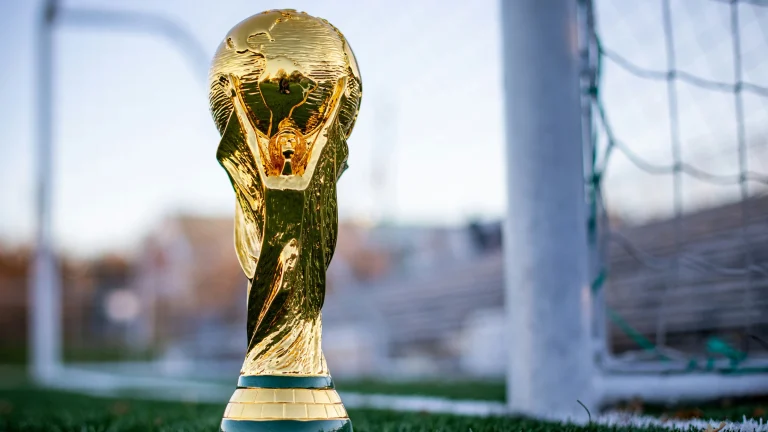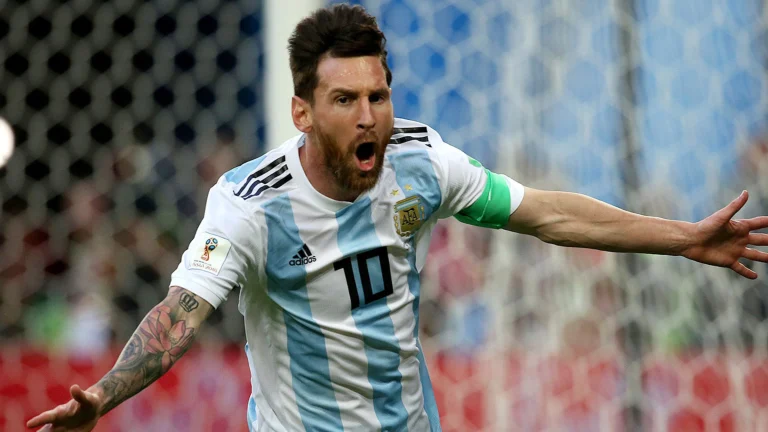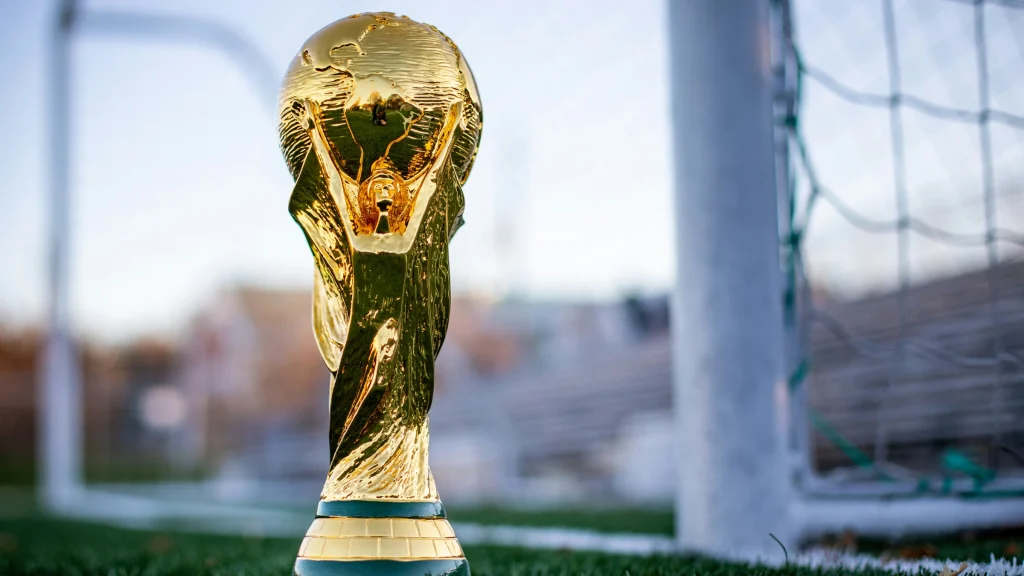


Trading on 2026 FIFA World Cup prediction markets could exceed $2.5 billion in the United States. The forecast points to football becoming one of the biggest tests yet for sports-related event contracts.
Kalshi is expected to take the biggest share of that activity. The CFTC-regulated exchange could generate between $1.47 billion and $1.93 billion in World Cup trading volume.
Kalshi expected to lead U.S. activity
Kalshi has become one of the main platforms for U.S. prediction market trading. Its World Cup markets let users trade on tournament outcomes, including the overall winner and other football-related results.
Kalshi could set a new sports event record if World Cup activity reaches the upper end of projections. Polymarket is also expected to attract strong World Cup activity, although U.S. users face a different access model than Kalshi. Both platforms are now part of the wider debate over whether sports event contracts are financial products or gambling.
Football gives markets a global event
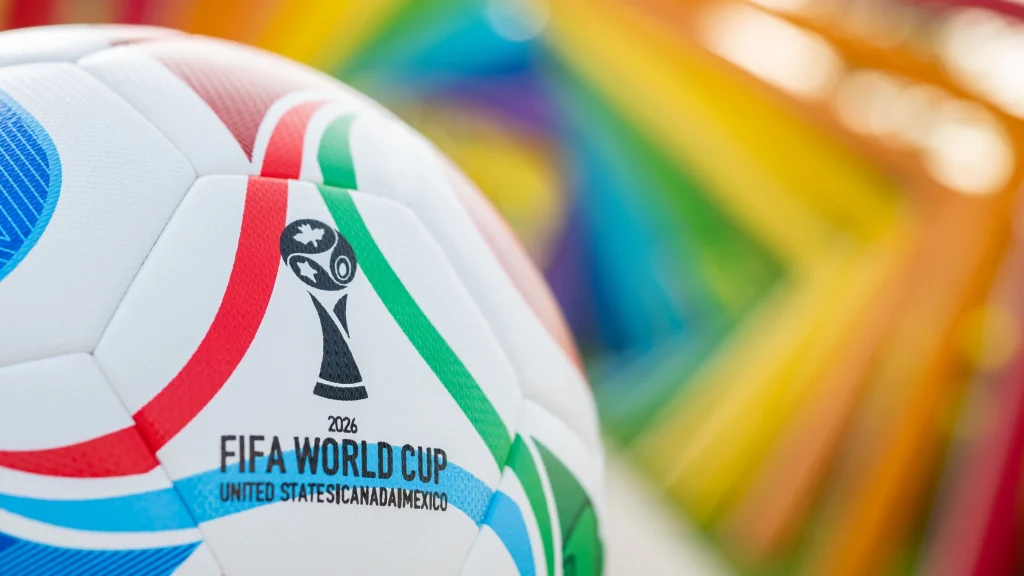
The 2026 World Cup will run from June 11 to July 19 across the United States, Canada and Mexico. It will be the first edition with 48 teams and 104 matches.
The expanded format gives prediction platforms more markets and more time to build trading volume. Matches, group-stage outcomes, knockout rounds and outright winner markets can all support activity before and during the tournament.
Football also gives prediction markets a broader audience than many niche event categories. The World Cup reaches casual fans, sports bettors, traders and international users at the same time.
Sports contracts remain disputed
The expected trading surge comes while sports prediction markets remain under legal pressure in the U.S. Several states have challenged sports-related event contracts, arguing that they look like unlicensed sports betting.
Kalshi maintains that its contracts are federally regulated products under the Commodity Exchange Act. That position has led to court fights over whether state gambling laws can block sports markets listed on CFTC-regulated exchanges.
The World Cup could intensify that debate. A major increase in volume would give prediction markets more visibility and attract more attention from regulators, sportsbooks and lawmakers.
World Cup markets cover many outcomes
Prediction market platforms can list contracts on several World Cup outcomes before and during the tournament. These may include the tournament winner, group qualification, match winners and knockout-stage results.
Live trading could also become more important as the tournament progresses. Higher match volume and global interest give platforms more chances to create markets around team performance, upsets and tournament milestones.