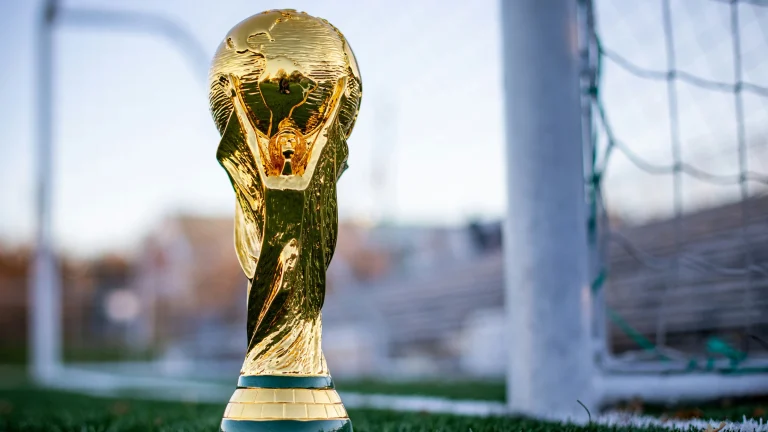
The 2026 World Cup is creating a new fight between licensed sportsbooks and prediction market platforms. Sportsbooks are preparing for one of the busiest betting events on the calendar. Platforms such as Kalshi and Polymarket are also pulling traders toward event contracts tied to the same tournament outcomes.
Sportsbooks face new World Cup competition
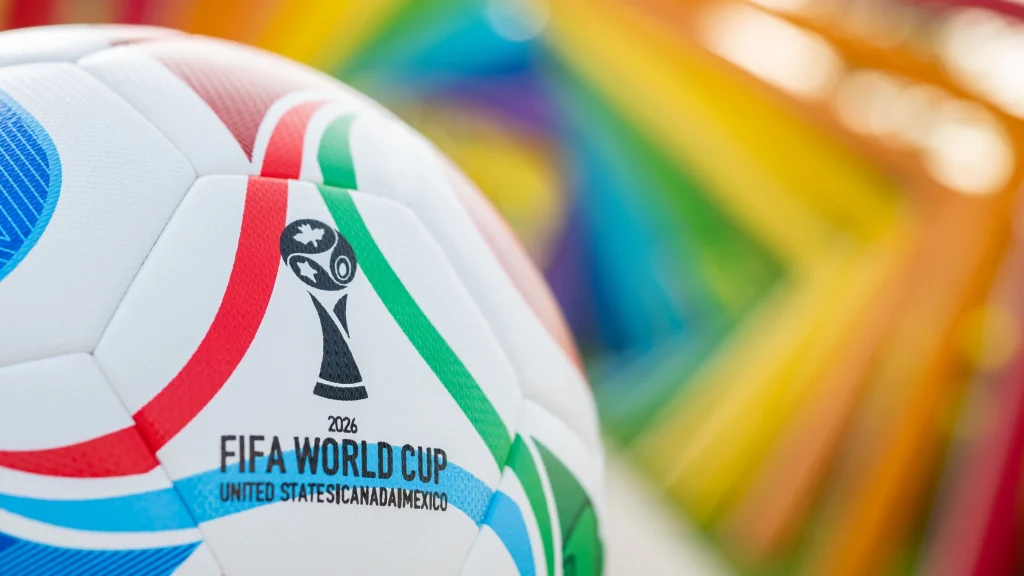
The tournament will run across the United States, Canada and Mexico, with 48 teams and 104 matches. That gives operators more fixtures, more live markets and more chances to keep bettors active.
Traditional bookmakers are expected to lean on promotions, in-play betting and same-game products. Prediction markets are competing in a different format, with users buying and selling contracts tied to outcomes such as the World Cup winner or match results.
Event contracts test sports betting rules
The fight is sharper in the United States because prediction markets follow a different legal model from licensed sportsbooks. They do not operate under the same state-by-state sports betting system.
Kalshi argues that its event contracts are federally regulated financial products, not sportsbook wagers. Sportsbooks have spent years securing state licences, paying taxes and following local betting rules. During the World Cup, a football fan may see a sportsbook price, a betting exchange-style price and a prediction market contract all tied to the same result.
Regulators are already involved
Several states have challenged prediction market sports contracts, arguing they amount to unlicensed sports betting. Kalshi has fought those actions in court, with mixed results across jurisdictions.
Courts and regulators are being asked to decide whether sports event contracts belong under federal commodities law or state gambling law. The World Cup could bring more casual users into that fight.
Regulators will be watching how platforms advertise, verify customers and handle markets tied to live sport.
Tournament scale gives operators more betting windows
The expanded 2026 format creates more matchdays than previous World Cups. The group stage will include more teams, and the knockout stage will run through a larger bracket.
That schedule gives sportsbooks more chances to offer pre-match markets, live betting and player props. It also gives prediction markets more events to list around group winners, match results and tournament outcomes.