
Hokkaido is moving toward an autumn decision on whether to pursue an integrated resort with a casino, with Tomakomai still the leading candidate site. The prefecture is preparing a final draft of its basic IR policy before deciding whether to join Japan’s next application round.
The final draft is expected to go before the Hokkaido prefectural assembly in September. The prefecture’s basic position on IR development is then expected to be finalised in October.
Policy paper will guide next step
The document, titled “The basic stance on IR of Hokkaido prefecture,” will guide Governor Naomichi Suzuki’s decision on whether to move ahead. If Hokkaido proceeds, the paper would support a later implementation policy and an IR District Development Plan.
That development plan would be needed for any formal application to Japan’s national government. Prefectures and ordinance-designated cities must submit detailed plans with private-sector partners before an IR can be approved.
Tomakomai remains in front
Tomakomai remains the main Hokkaido city interested in hosting an IR. The port city has kept the project in local planning and has looked for advice to update its casino-resort concept before the next national window.
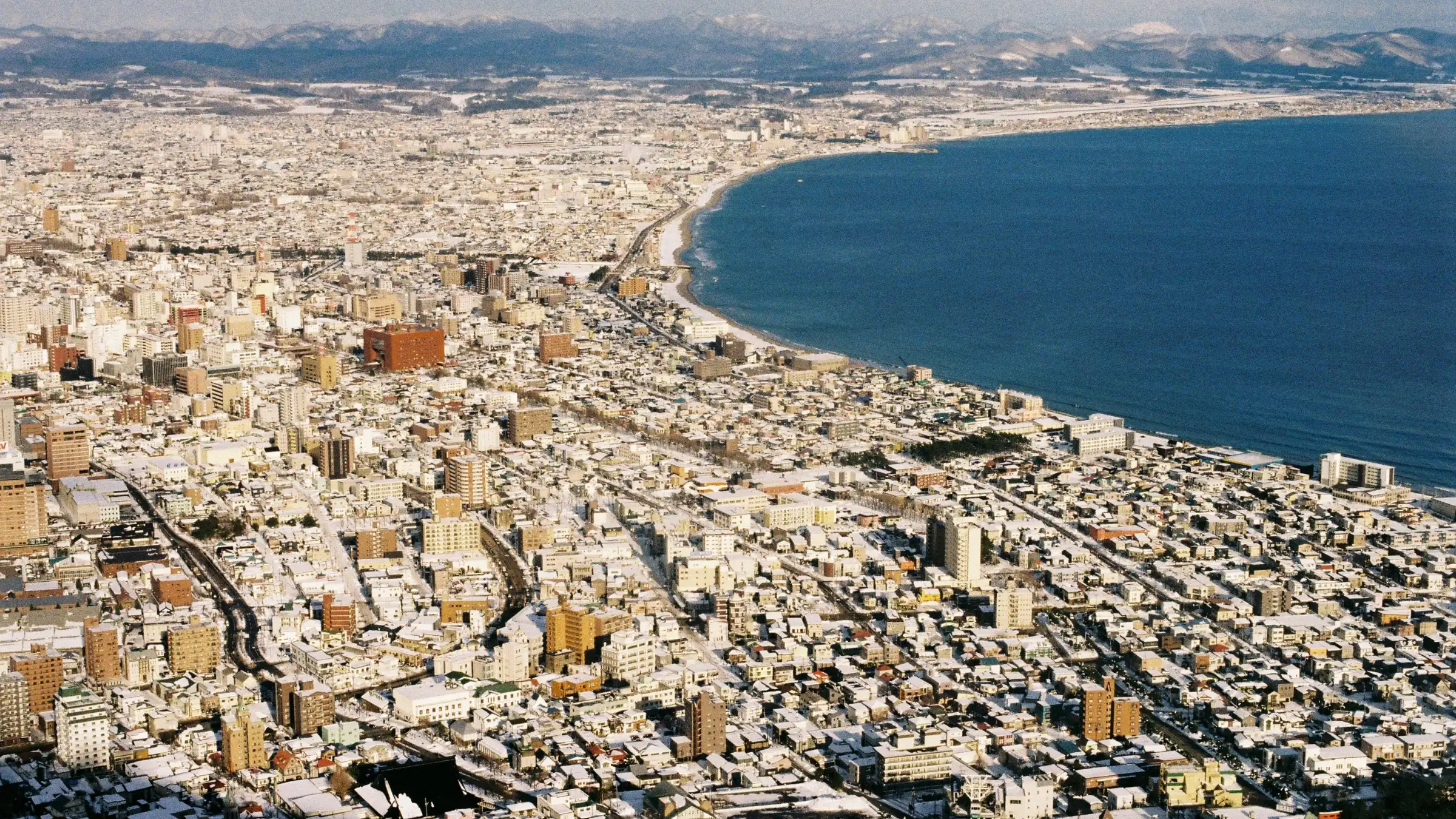
Hakodate had also been viewed as a possible alternative, but it is unlikely to pursue the next application round. That makes Tomakomai the main local option if Hokkaido chooses to move forward. Tomakomai has promoted its airport access, port facilities and role as a gateway to Hokkaido tourism. Those points could help the city build an IR proposal around inbound travel, meetings, entertainment and regional access.
Japan’s next IR window opens in 2027
Japan’s next national IR application window is scheduled to run from May 6 to November 5, 2027. Local governments that want to compete must prepare a development plan with a selected operator or consortium.
Osaka remains Japan’s only approved IR project so far. The Osaka resort is being developed on Yumeshima by MGM Resorts International and ORIX, with opening targeted in the early 2030s.
Hokkaido skipped the first application round in 2019 after environmental concerns around the proposed site. The prefecture has kept the option alive and has now returned to policy review before the second round.
Hokkaido weighs local business role
Hokkaido’s draft policy also points to local participation in any future IR structure. It expects the business entity behind the resort to include companies based in the prefecture. That rule would keep part of the project linked to local businesses. It could also affect how operators form groups if Hokkaido moves from review to a formal bid.