

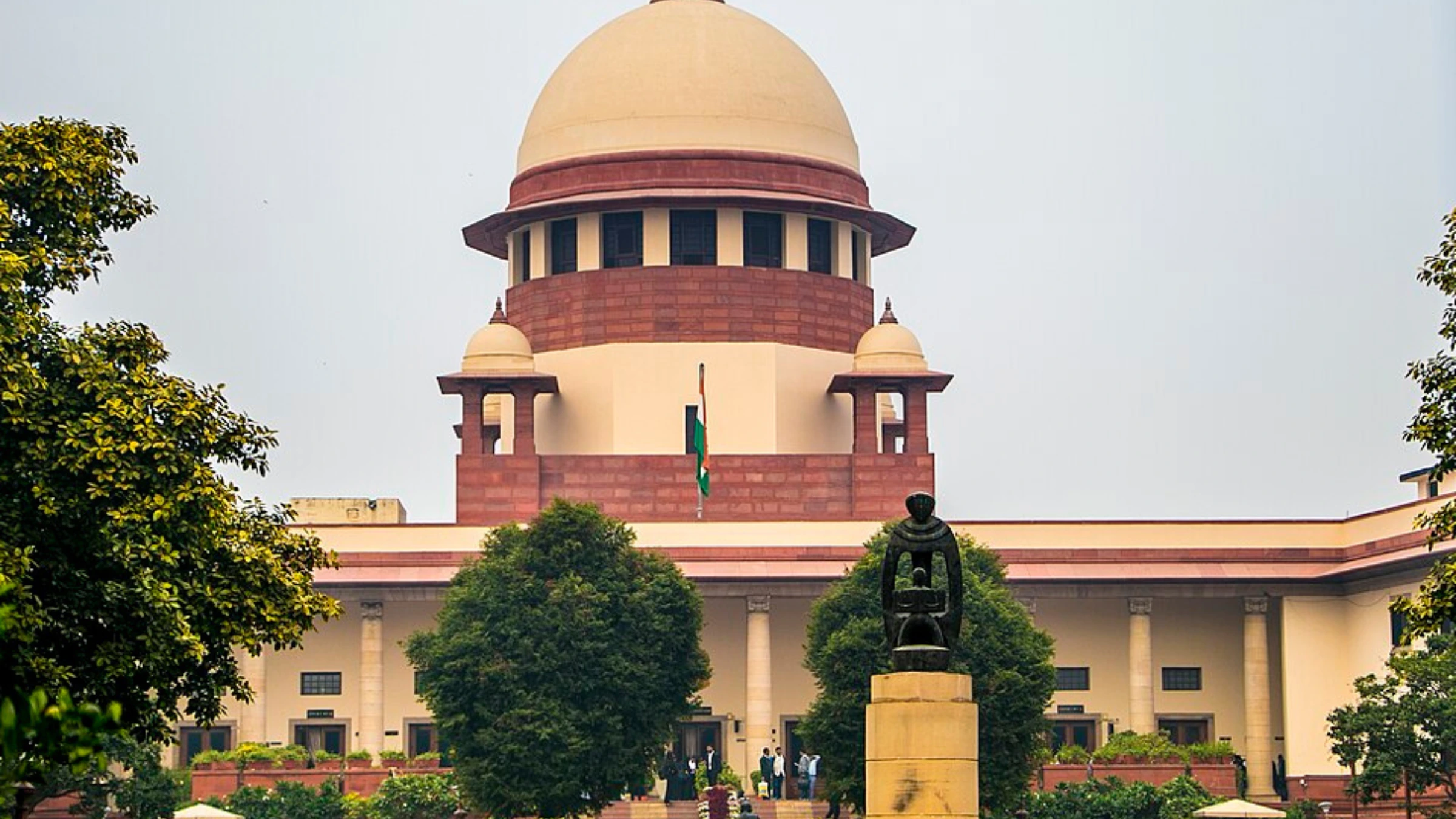
India’s Supreme Court has upheld state powers to ban online games played for money. The decision gives real-money gaming operators another legal setback.
The ruling supports laws in Tamil Nadu and Karnataka that restrict online rummy, poker and other games when users stake money. It also weakens the industry’s argument that skill-based games should be protected from gambling bans.
Court backs state powers over paid games
The case focused on whether states can treat online skill games as betting or gambling when users pay to play. Gaming companies argued that rummy, poker and fantasy-style games involve skill and should not be treated like games of chance.
The Supreme Court rejected that line when money is wagered on the result. It ruled that betting on a skill game can still come under state gambling laws. That gives states more power to regulate or ban online money gaming. It also overturns earlier High Court rulings that had restricted state action against skill-based platforms.
Tamil Nadu and Karnataka laws get support
Tamil Nadu and Karnataka had moved against online games played for stakes after concerns over addiction, debt and user harm. Gaming operators and industry groups challenged those laws.
The Supreme Court has now restored the states’ position that online games involving stakes can be restricted under gambling and public order powers. Operators now have less protection from the skill-game defence. A platform may still offer a game that involves skill, but legal risk rises when users pay to play.
National ban already changed the market
The ruling follows India’s wider action against online money games. The Promotion and Regulation of Online Gaming Act, passed in 2025, bans online money games, related advertising and payment processing for those games.
Large platforms had already suspended or reshaped real-money products after the central law. Dream11, PokerBaazi and MPL were among the operators affected by the move away from paid games.
The Supreme Court decision increases that pressure. It supports state-level bans while the national framework already blocks online money gaming across the country.
GST ruling adds another hurdle
The sector is also dealing with a tax setback. The Supreme Court upheld the 28% GST framework for online gaming involving money stakes, including tax treatment based on the full value of deposits.
That leaves operators dealing with market restrictions and tax exposure from earlier activity. For India’s real-money gaming sector, the path is now more limited: free-to-play gaming, non-money formats, or legal challenges focused on specific rules.