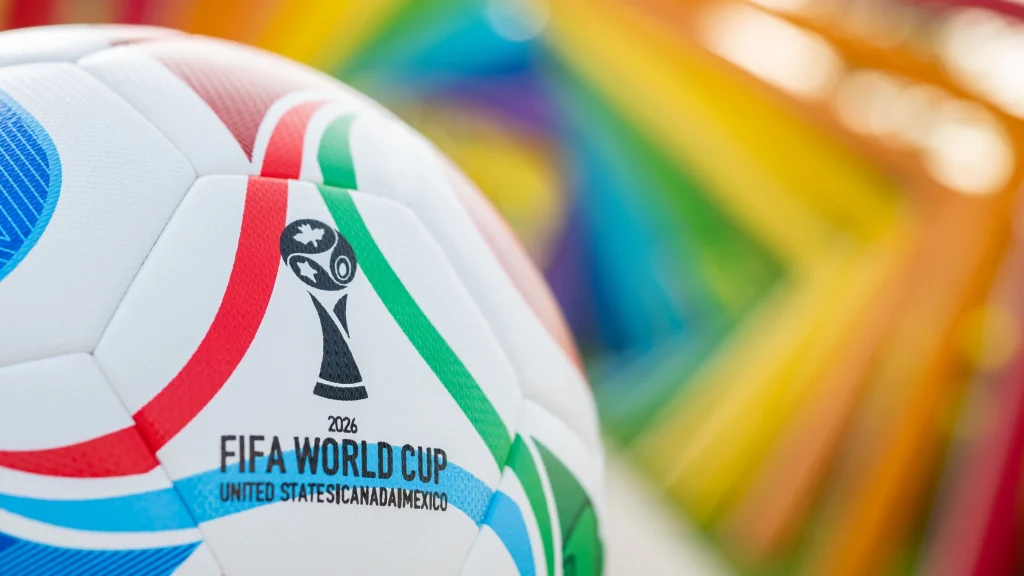


The Malta Gaming Authority has told licensed operators to strengthen betting monitoring before the 2026 FIFA World Cup. The regulator wants operators to watch for suspicious betting activity during a tournament expected to generate heavy global wagering demand.
The warning applies to Malta-licensed betting operators and suppliers involved in sports betting. The World Cup will run from 11 June to 19 July across the United States, Canada and Mexico.
Operators must watch suspicious betting
MGA licensees must keep enhanced monitoring in place throughout the tournament. Suspicious betting transactions must be reported without delay through the regulator’s Suspicious Betting Reporting Mechanism.
The rule is part of the MGA’s sports integrity framework. It covers operators that offer betting services and suppliers that provide critical sports betting services.
The regulator is focusing on irregular wagering patterns, unusual market movement and other activity that may point to manipulation. World Cup betting can create larger risk because of the volume of matches, live markets and customer activity.
Integrity contacts remain important
Malta-licensed operators must have a Sports Integrity Point of Contact. That person acts as the link between the operator and the MGA’s Sports Integrity Unit when suspicious betting activity needs to be reviewed or escalated.
The role is important during high-volume tournaments. Operators may need to review betting patterns quickly, freeze markets, submit reports or share information with integrity bodies.
The MGA also expects operators to keep internal controls active. That includes systems for detecting unusual bets, reviewing customer activity and escalating possible integrity concerns before they become wider market problems.
World Cup creates higher fraud risk
The 2026 World Cup will feature 48 teams and 104 matches, giving betting operators more markets than previous tournaments. More fixtures also mean more live betting, player markets, match props and outright tournament markets.
That scale can increase fraud and manipulation risks. Lower-profile matches, minor markets or fast-moving in-play bets can be harder to monitor than headline match-winner markets. The risk is not limited to match-fixing. Operators may also face account misuse, bonus abuse, coordinated betting, identity fraud and attempts to exploit delayed data during live markets.
Advertising rules still apply
The MGA has also reminded licensees that commercial communications rules continue to apply during the tournament. World Cup marketing must follow responsible advertising standards and must not target vulnerable groups or underage audiences.
Operators have two compliance areas to manage before the tournament starts. They need stronger integrity monitoring for betting markets, while also keeping promotional activity within Malta’s advertising and responsible gambling rules.