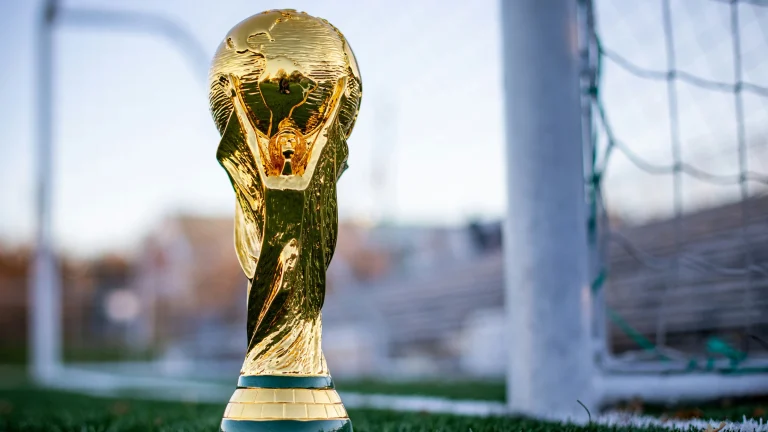


Prediction markets are drawing more attention before the 2026 FIFA World Cup, with traders already buying and selling contracts tied to match results, group outcomes, player awards and tournament winners. Platforms such as Kalshi and Polymarket are now moving closer to the same sports audience that licensed sportsbooks want to reach.
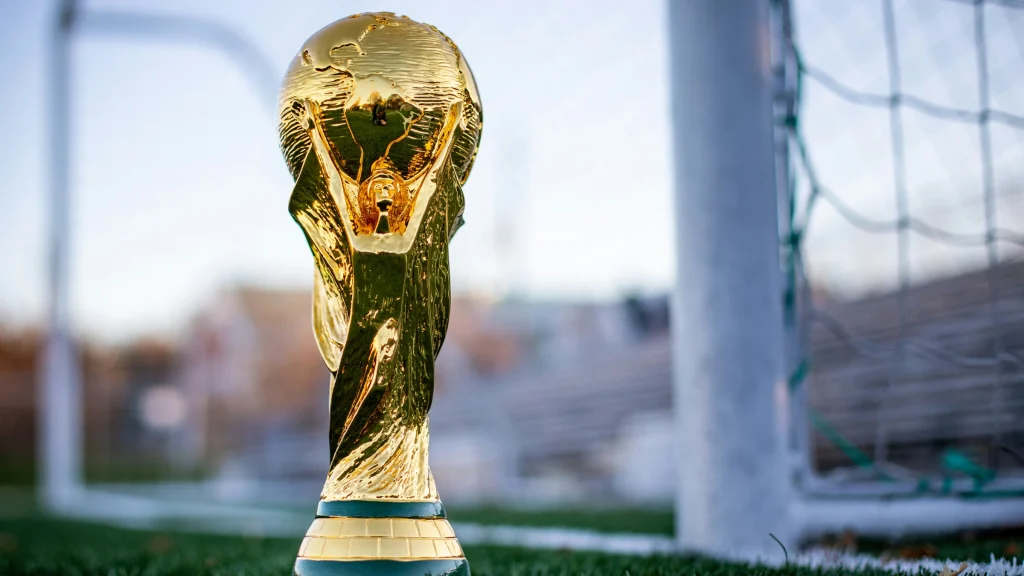
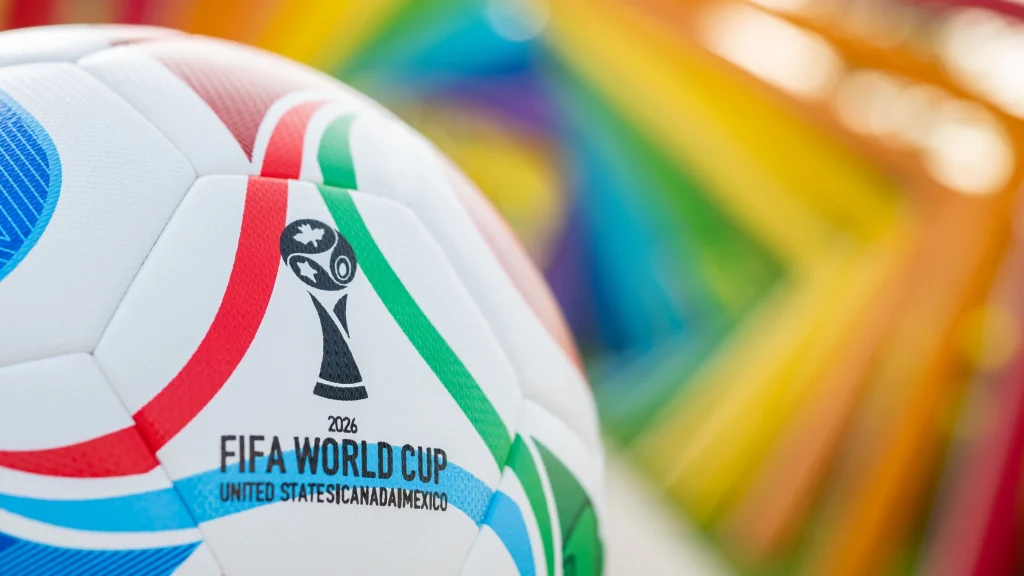
The tournament will run across the United States, Canada and Mexico with 48 teams and 104 matches. The expanded format gives prediction markets more events to list and more chances to reach football fans.
World Cup contracts are already active
Kalshi already lists World Cup markets covering games, futures, awards, groups and props. Match markets can include winners and draws, while futures markets allow traders to take positions on which country will win the tournament.
Polymarket also has World Cup markets covering props and tournament outcomes. The structure differs from a sportsbook wager because users buy and sell contracts that move in price as expectations change.
Sportsbooks face new competition
The World Cup is one of the largest betting events for licensed operators. Sportsbooks are expected to lean on pre-match markets, live betting, player props and promotions during the tournament.
Prediction markets are competing for the same attention with a trading-style product. For some users, contracts tied to match winners or outright champions may feel similar to betting, even when platforms present them as event markets.
Sportsbooks may face competition from platforms offering World Cup positions under a different regulatory model. That could make the tournament an important test for both product demand and regulatory response.
Regulators are watching sports contracts
Sports event contracts have become one of the biggest issues in prediction market regulation. State gambling regulators in the US have challenged products that look like sports betting, while platforms argue that event contracts fall under commodities or trading rules.
The World Cup could bring more attention to that dispute. Larger trading volumes and wider public interest are expected to bring more scrutiny to sports-related contracts.
Expanded format creates more markets
The 2026 World Cup will feature more teams and matches than previous tournaments. That creates additional markets around qualification, group winners, regional performance and player awards. For prediction market platforms, the tournament offers a large testing ground. For regulators and sportsbooks, it will show how event contracts compete with traditional sports betting products.